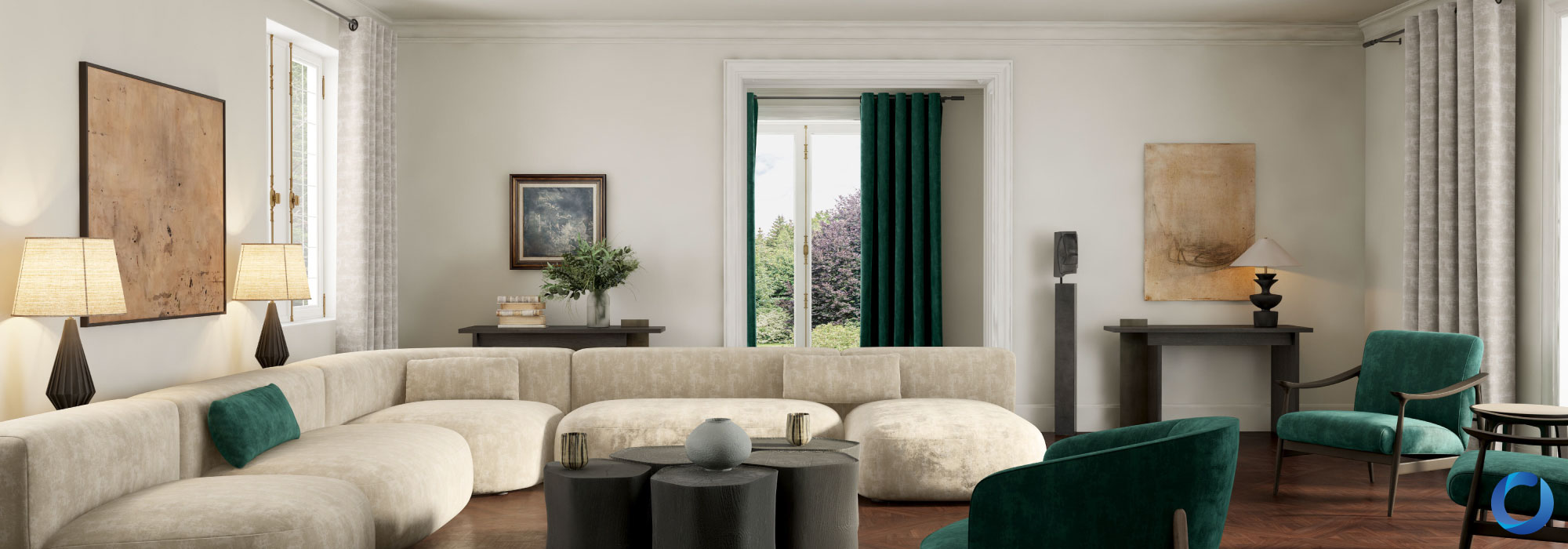
The Ultimate Guide to Curtain Styles in 2024
July 29, 2024
by Kristen Phang
Designing curtains is so much fun but much trickier than it looks. When you start hanging your chocolate velvet curtains that perfectly match your dark contemporary bedroom, you start to realise there are some factors you forgot to consider:
Is the curtain thick enough to block out all the sunlight?
Can the curtain rod even support the heavy fabric?
How can you wash the curtain securely attached to a track?
This oversight happens because curtains are the perfect balance between utility and creativity. Curtains are essentially two long pieces of fabric, so the material and design of the curtain fabric are as important as its ability to block out sunlight and protect our privacy. They are also versatile furniture pieces that can be hung in every room in the building, be a highlight of the room’s design or a supporting decorative piece.
Because there are so many curtain styles and uses, finding a fabric that meets your creative, architectural and lifestyle needs can be complicated. That’s why Acacia Fabrics has compiled this simple step-by-step guide to help you find a beautiful set of curtains that will enhance your lifestyle. We show you how to set up a curtain to maximise its potential to suit your needs and how you can get creative at each step!
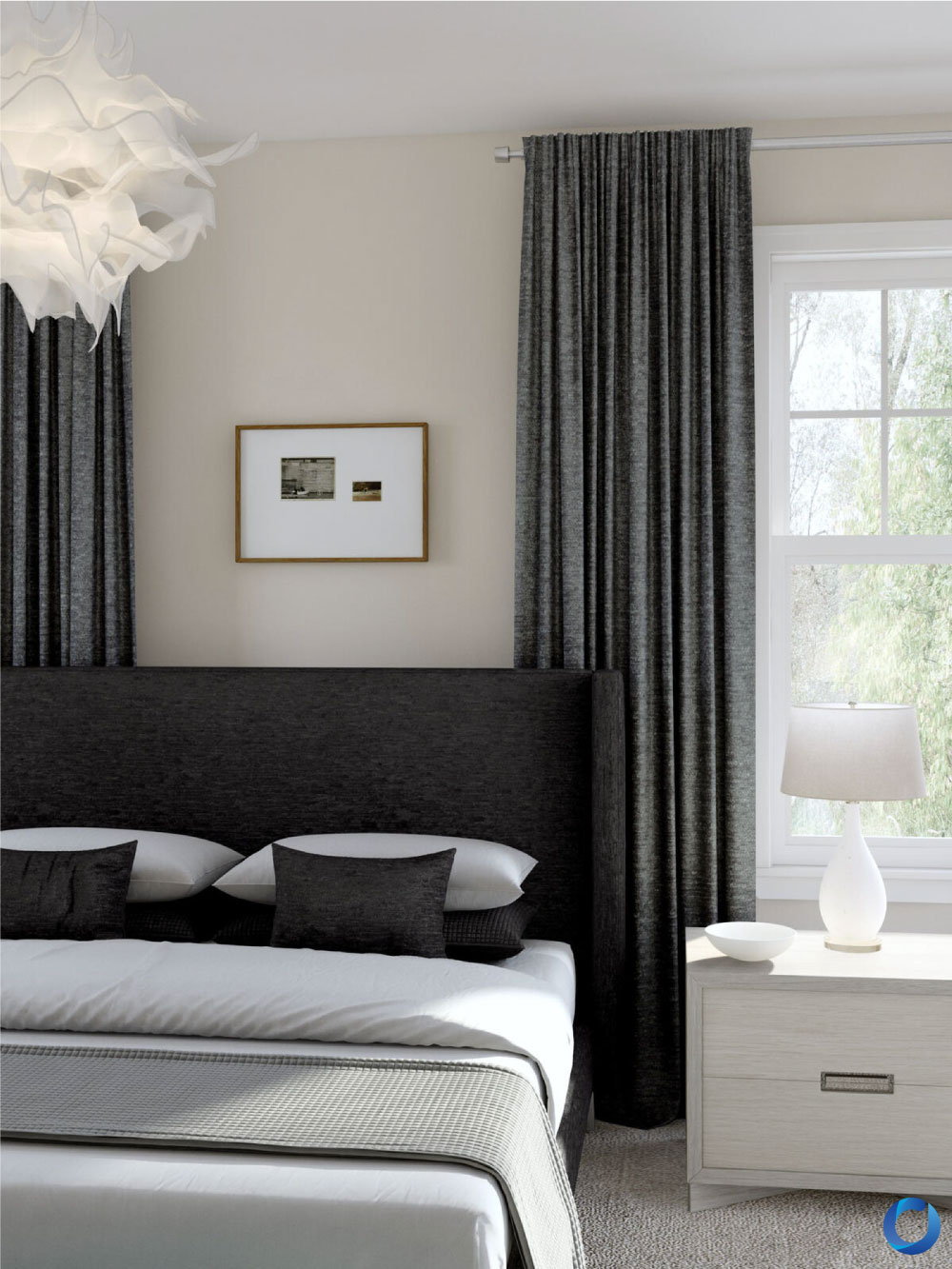
Nero / Collection
Step 1: Choose a place to hang your curtains.
Since every room has a specific use, your set of curtains needs to have the right characteristics to support its function. For example, bedroom curtains should be thick and opaque to block out all sunlight and noise, creating the ideal environment for a good night’s sleep.
Once you decide where to hang your curtains, jot down the practical qualities the curtain needs to suit the room’s function and your habits. This essential list of characteristics will help you find smart, practical curtain options.
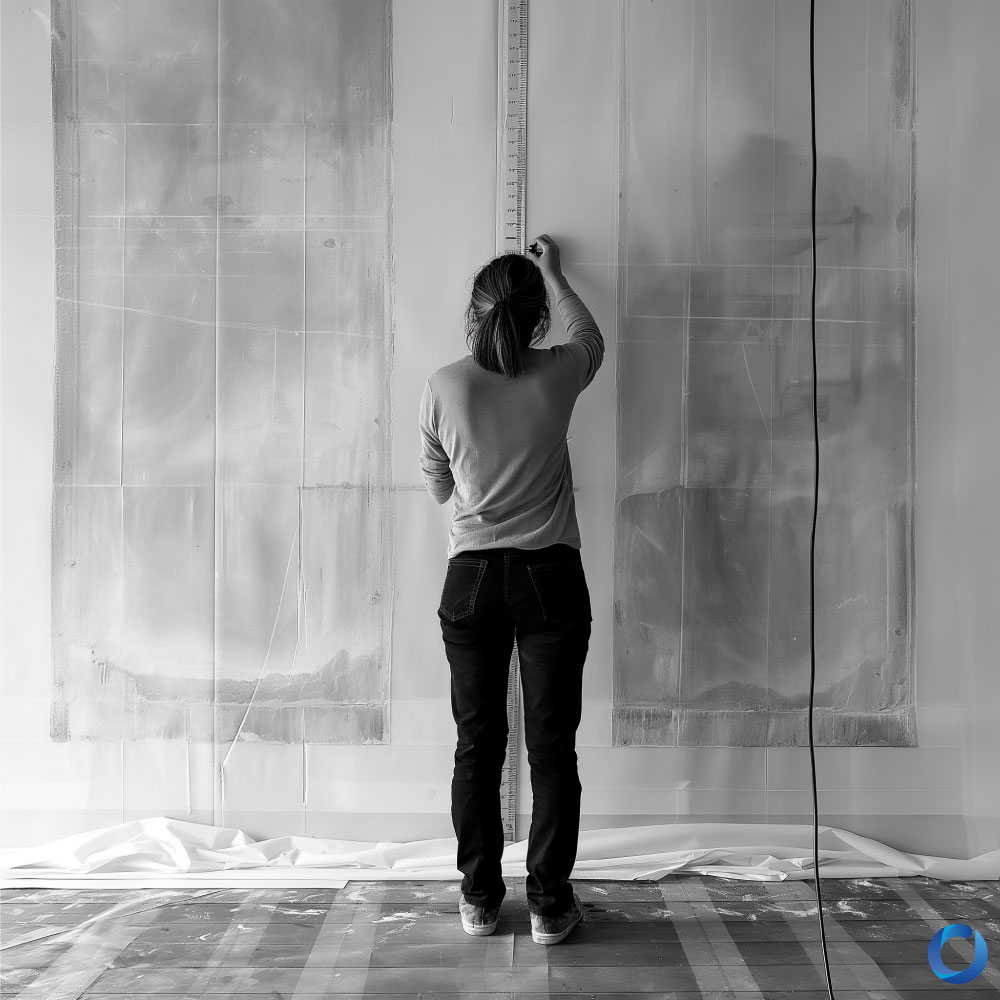
Step 2: Measure your space.
Once you decide where to hang your curtains, measure the area to identify any physical limitations.
Height: If the curtain attachment is on the wall, curtains should always be hung midway between the ceiling and window casing. For installation purposes, at least 30cm of space should be between the curtain railing and the ceiling or wall.
Length: Your curtains can be of any length as different spaces require different lengths. Regardless, you should measure the length between the ceiling railing and where you expect the bottom of the curtain to stop.
Width: The width of the curtain fabric should be four or 10 inches longer or 1.5 to 2.5 times longer than the width of the window railing. With a longer fabric, you can create more folds with greater depths and volume.
Take note that the length of your curtain might be a few centimetres shorter or longer, depending on the type of curtain railing you use.
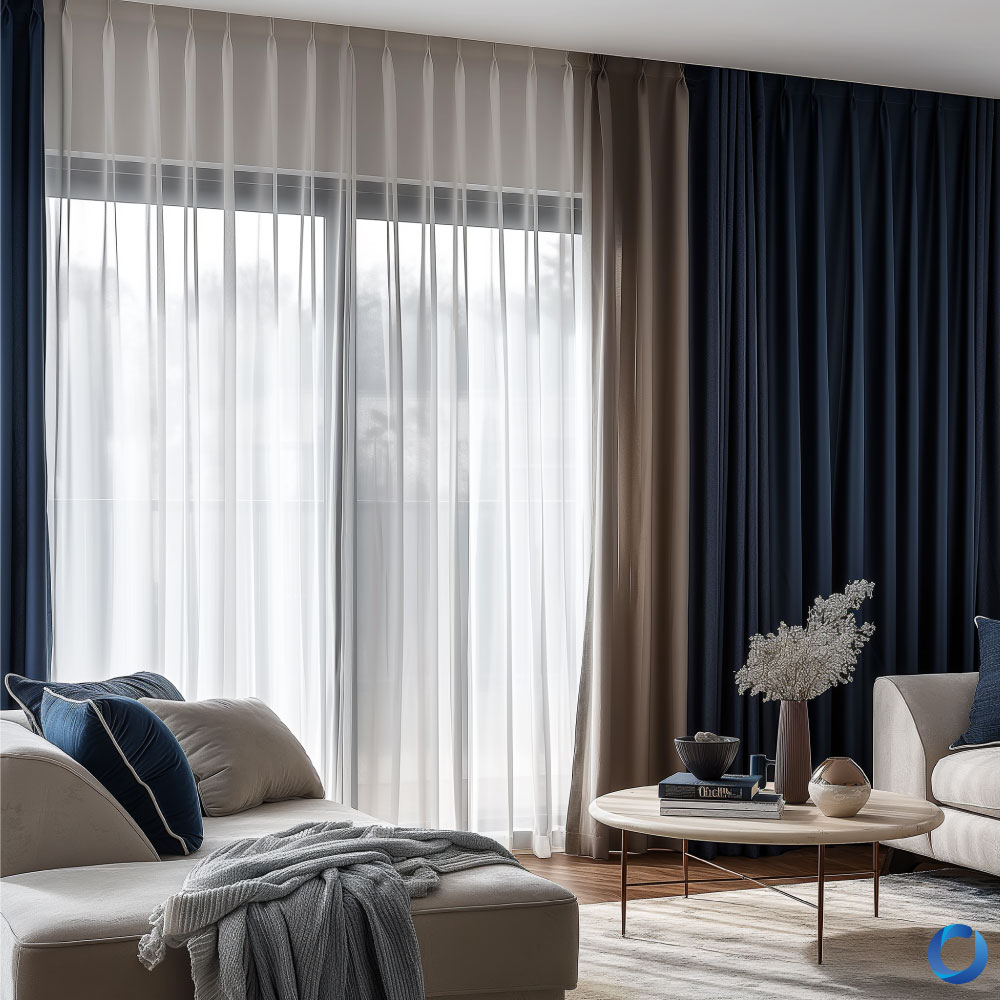
Once you measure your space, you identify the right type of curtains. Aside from conventional window curtains, which are perfect for kitchen and bathrooms, you can also hang:
Floor-length curtains: The most popular curtain style for modern living rooms that are perfect for glass doors. Their deep folds cover the wall from the ceiling to the floor, giving off a grand appearance.
Café curtains: Mini curtains that only cover the top or bottom of the window to create a cute cover with partial privacy. They are usually used to enhance the view outside your window.
Pooling curtains: Curtain fabrics that longer than the height of the wall, allowing the access fabric to “pool” on the floor just like a waterfall, giving your curtains an elaborate yet elegant appearance.
Step 3: Identify your design and lifestyle needs
Now that you know the constraints you are working with, you can start brainstorming what designs and uses you want from your curtains with a checklist! Add on to your checklist any remaining lifestyle needs you haven’t considered:
- Does anyone at home have skin sensitivity or allergies?
- Do you have any pets or toddlers who would play with the curtains?
- How much time do I want to spend cleaning these upholstery textiles?
Then, decide how your curtains will look like: what is the colour, pattern, texture and transparency of your fabric? Ultimately, you should decide whether or not you want your curtains to stand out or blend in with its surroundings. Either way, it should match with the room’s interior style. This checklist will help you narrow down your curtain options and make smart design decisions with little mistakes.
Step 4: Pick out your curtain essentials!
People often forget that curtain heading, attachments, and pleating style can significantly enhance the beauty of the curtain fabric while adding more detail and cohesiveness to your area’s design theme.
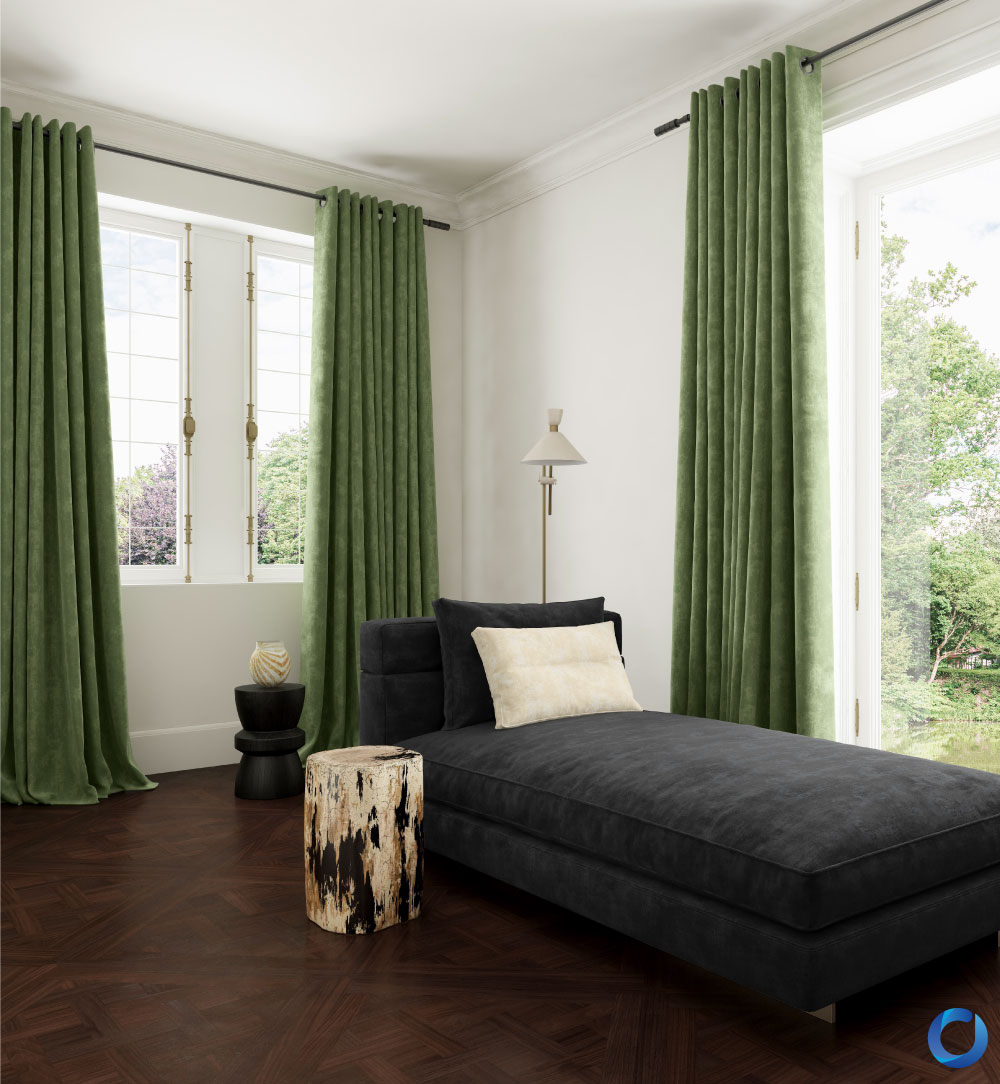
Innovation /Collection
Curtain Headings
Curtain Tracks allows the curtains to glide smoothly with even spaces and hides the heading from view. This hidden heading makes the curtain stand out and gives the illusion that it's floating off the ground.
Curtain Rods or Poles are visible headers has more stylistic variety in its material, colour, and finial designs. They can also be longer than the width of the window, allowing maximum sunlight into the room.
Shades unfurls the curtain horizontally, stretching the fabric flat to create a clean, neat appearance while fully utilising its material to block out sunlight and sound. Shades usually have a string or a pulley.
Curtain Attachments
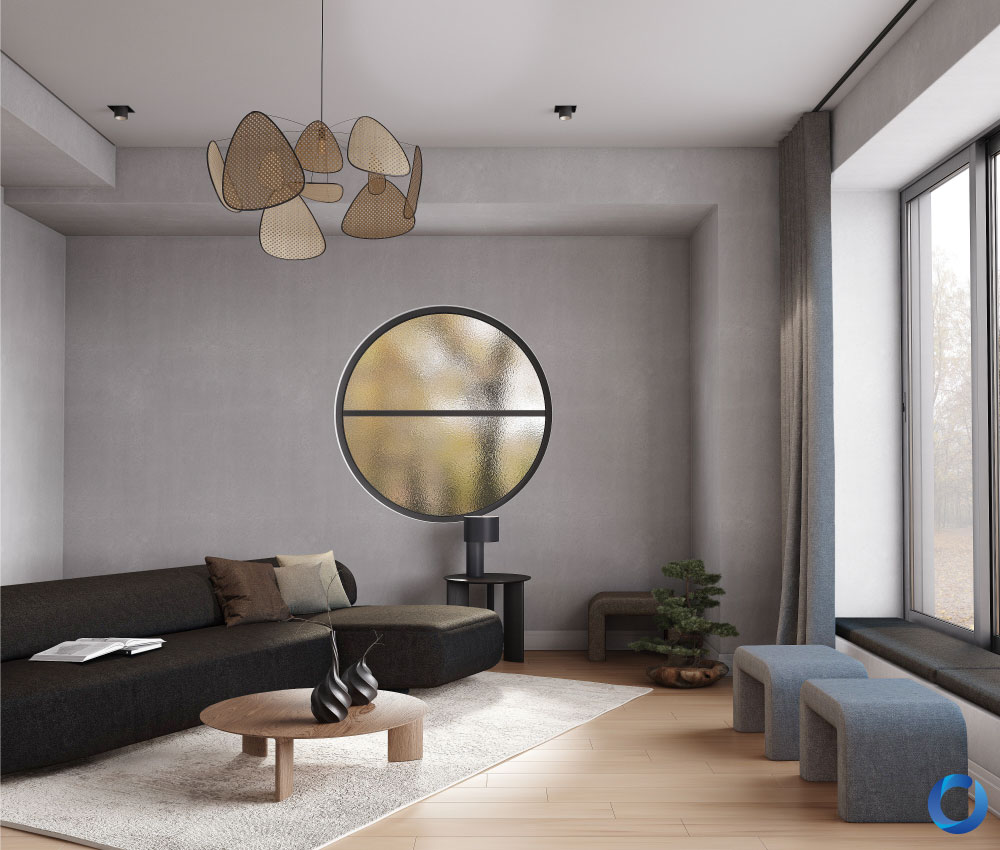
Melangerie / Collection
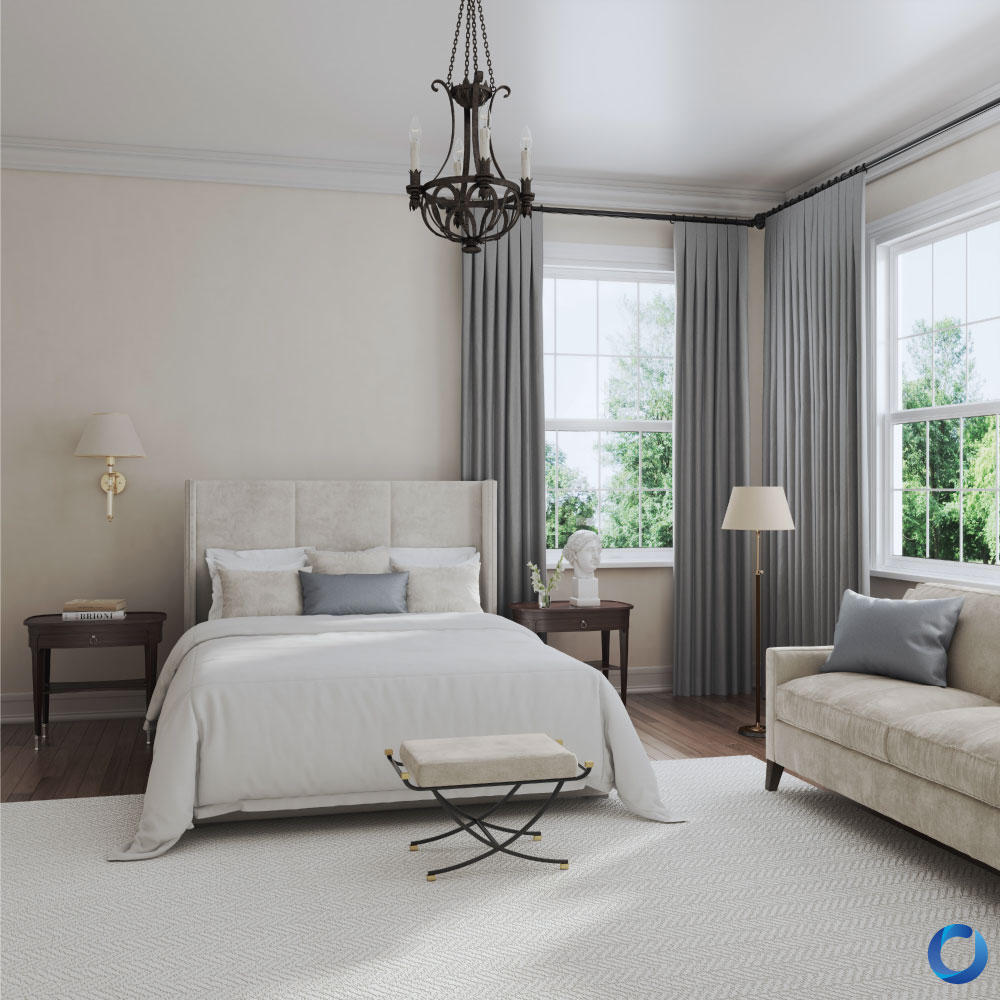
Lights Out / Collection
S-wave hanging style does not fold the fabric but rather lets the fabric naturally bend into a smooth, continuous fold that moves like waves in the ocean. This popular contemporary style also creates adaptable, evenly spaced folds that allow the fabric’s natural lustre to shine.
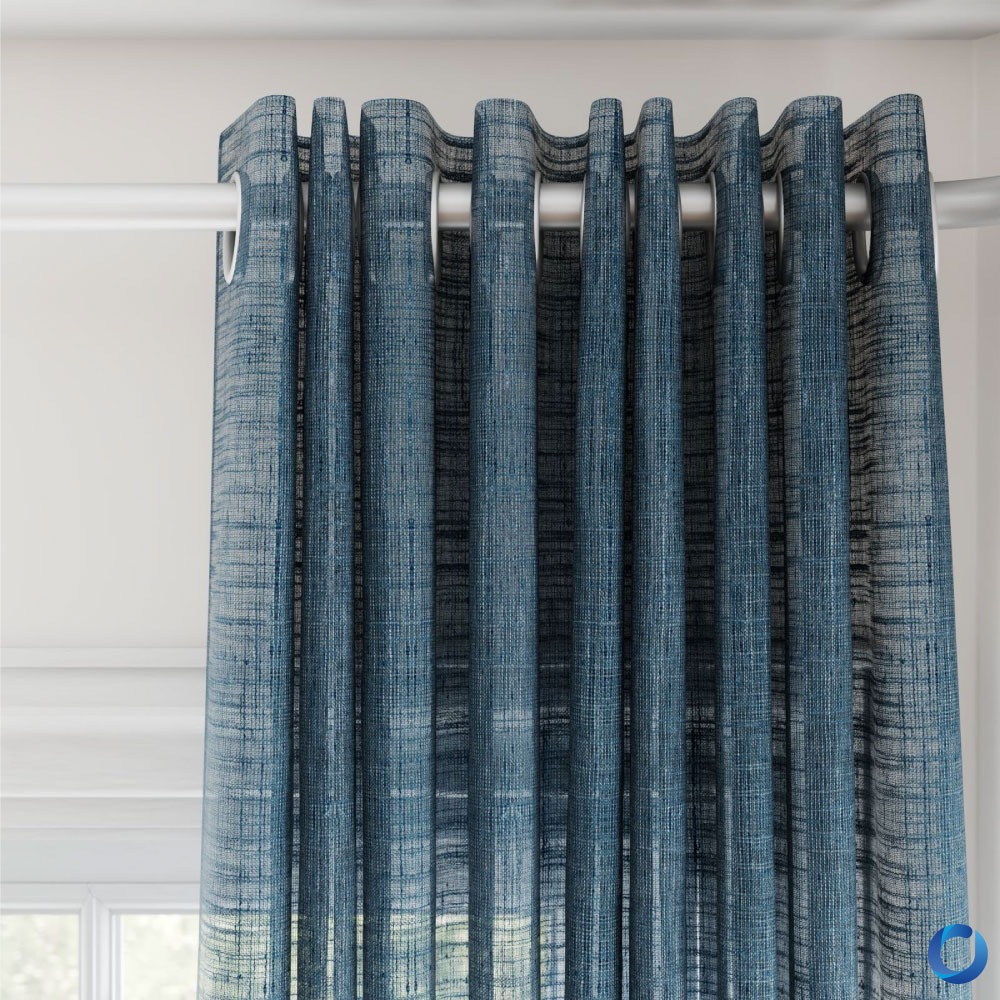
Eyelet/ Grommet Rings can be easily attached and removed from the rod thanks to its imbedded rings, opening the doors to seasonal styling with curtains. This casual, modern curtain attachment creates deep, curtain-length folds while hiding parts of the curtain rod.
Rod Pockets cover the curtain pole completely, scrunching up fabric into tiny folds. While this technique makes the curtain harder to draw, it also gives the curtain long, deep folds and much more volume, creating a larger visual impact.
Hanging Pins/ Goblets are ringlets with hanging hooks are either clipped on or inserted into small pockets in the curtain, making the curtains look like they are levitating under an invisible line.
Tie Tops are a casual, DIY hooks made fabric strips that tied into bows on the curtain rod, making it ideal for café curtains. However, this style and its thicker Table Top alternative only work for light fabrics.
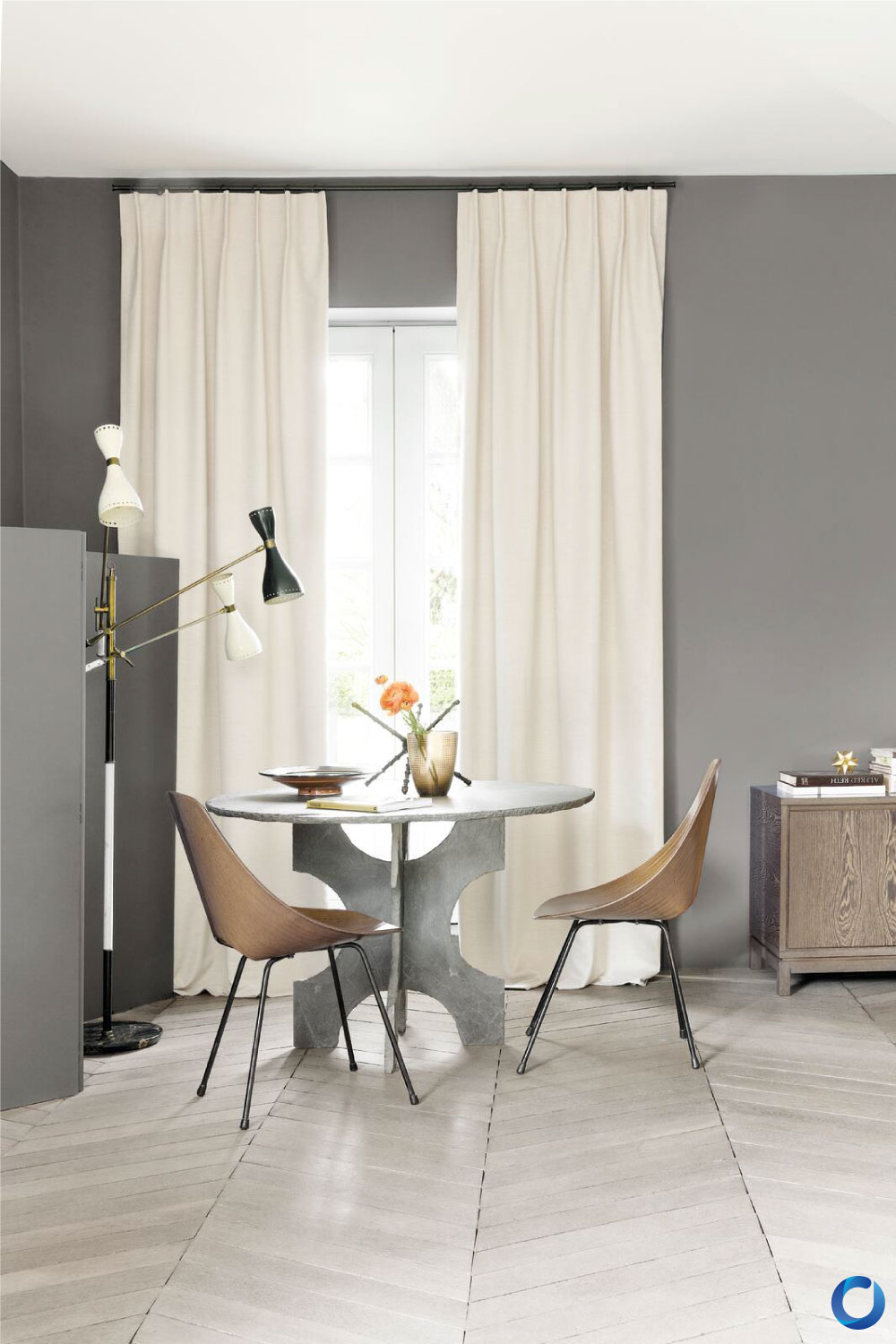
Provence / Collection
Curtain pleats
Tailored Pleats create deep, defined, geometric folds with a flat background. This allows homeowners to keep the unique folds evenly spaced when the curtain is drawn.
Pencil Pleat bunches the fabric at the top like a pants gutter, creating large, cylindrical folds. This style adds large volumes to a flat curtain, making tiny minimalist interiors look bigger with a minimal amount of space.
French/Pinch Peats can have around two to four X-shaped folds: the more folds there are, the more volume has. They are a simple yet luxurious way to make your home look grand in any interior style.
Inverted Pleats are sown together at the top of the curtain to create rectangular folds with small slits like a pencil skirt. These deep, inverted folds draw you in and direct your attention to the flow and lustre of a solid-colour fabric.
Goblet Pleats create cylindrical pockets at the top of each fold, resembling goblets at a royal banquet. When placed side by side, they form agrand header seen in Victorian homes.
Zip / Collection
Step 6: Pick out your Curtain Fabrics!
When it comes to style, you have creative control over the colour of your curtains, their patterns, and aesthetics. Today, most homeowners favour the warm minimalist style, the alternative vintage movement, and warm neutral, earthy, or nature-based colour palettes and patterns, but you don’t have to follow them! Instead, we will give you design tips that will help you craft your personal aesthetic.
Night Sky / Collection
1. Neutrals all the way!
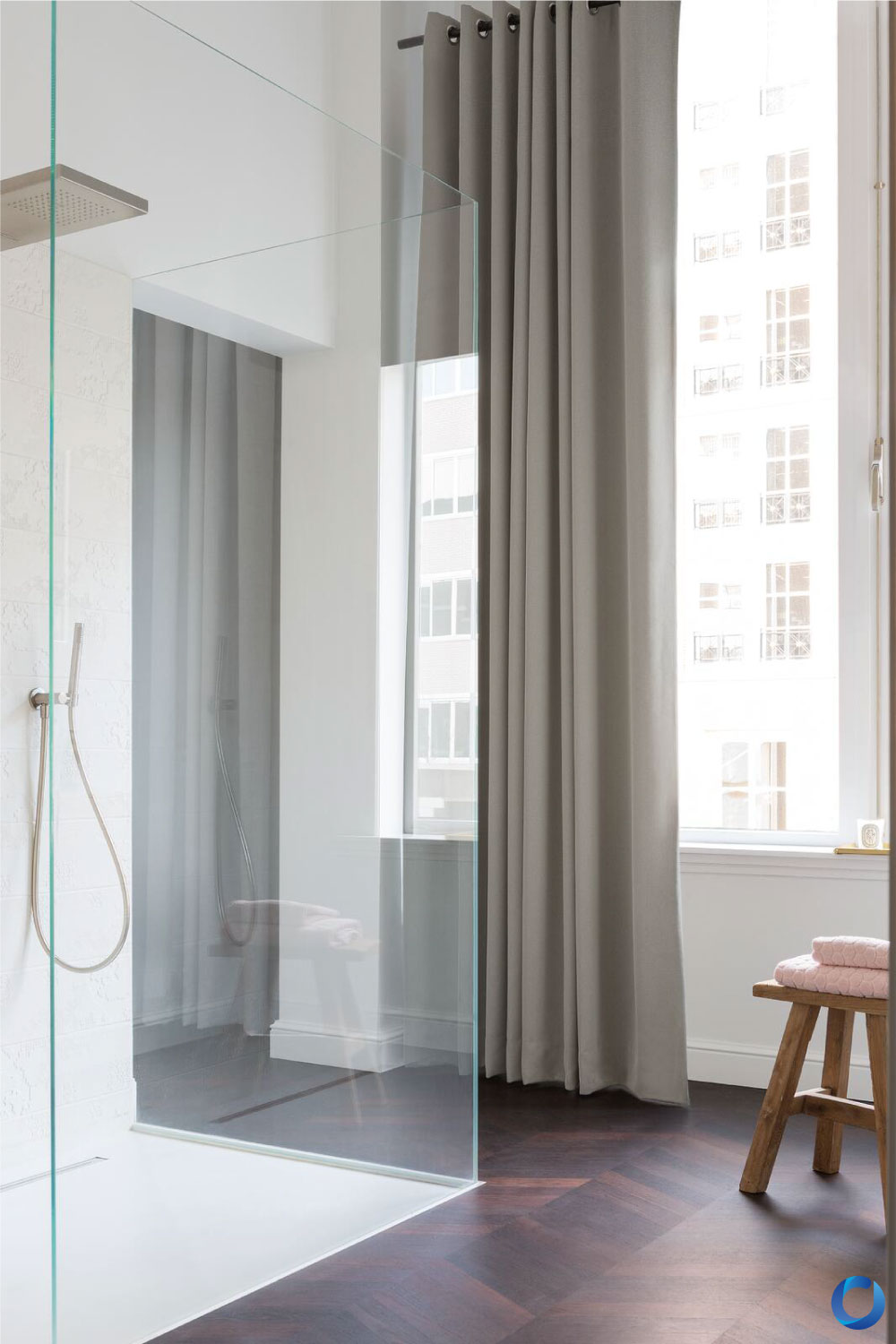
Our top-selling upholstery fabrics are typically neutrals because curtains are often used to support the overall design of interior spaces. Neutrals are the most adaptable colours to style with and provide a blank canvas to experiment with new styles.
Despite their simplicity, you can still get creative with their coloured undertone. Warm undertones can make your space feel more cosy or exciting, while cool undertones can make a room calmer or professional. It’s best to match the neutral undertones with the room’s current colour palette to create consistent tone and vibe.
Life / Collection
2. Stick to the 60-30-10 rule.
If your room has a broader range of colours, try using the 60-30-10 design rule. This professional technique to create a cohesive colour scheme for both simple monochrome palette and a colourful collection of hues.
This rule states that a room should only have three major colours aside from neutrals: a primary colour that dominates 60% of the space, a secondary colour that covers 30% of the area and an accent colour that takes up 10% of the room.
Your curtains can be either a primary, a secondary, or a mix of the two to match your interior.
The only stylistic upholstery choice that affect its practical use are its transparency as it can help you control the amount of light, noise, and privacy in a room. When you get a fabric sample, you can test its transparency by placing it against a light source to see how much light it blocks.
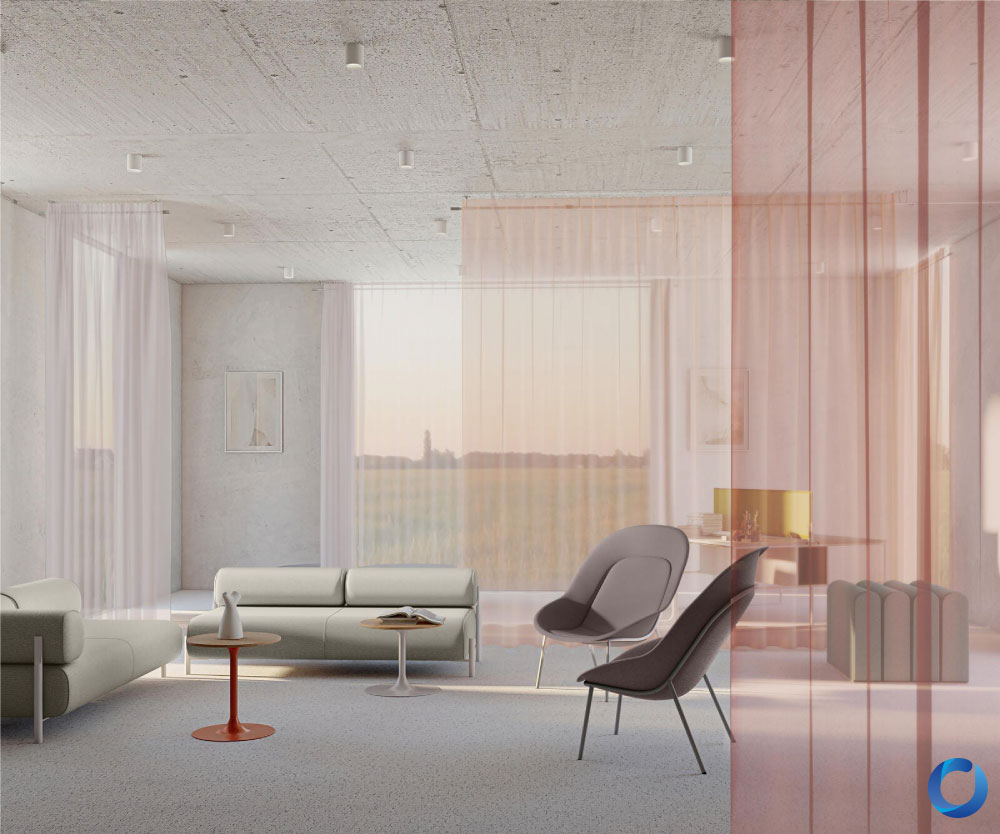
Sheers are translucent fabrics that allow some light to pass through the window and partially obscure the view outside the window. This graceful, elegant textile makes rooms look more luxurious and helps homeowners control the amount of natural light their rooms while blocking out the heat. Sheers pair well with almost any other curtain fabric with the layering technique.
Blackout or Dimout curtains are thick fabrics that completely block out sunlight and sound from entering a room, creating an intimate, private, and comfortable environment for a good night’s rest.
Step 7: Complete the look with curtain accessories!
Like a beautiful dress without jewellery, a curtain is not complete without accessories. Curtain accessories are parts of the curtain beside the fabric that either help the curtain function or enhance its design.
Wooden curtain rods give off a causiual, natural look while metallic curtain poles like brass, bronze, silver and gold give curtains an industrial or luxurious appearance.
Similarly, the shape of the finials can define the curtain’s aesthetic. Geometric shapes like spheres and cubes suit minimalist, industrial or Art Deco aesthetics, while finials with elaborate curves and details enhance traditional and regional interiors.
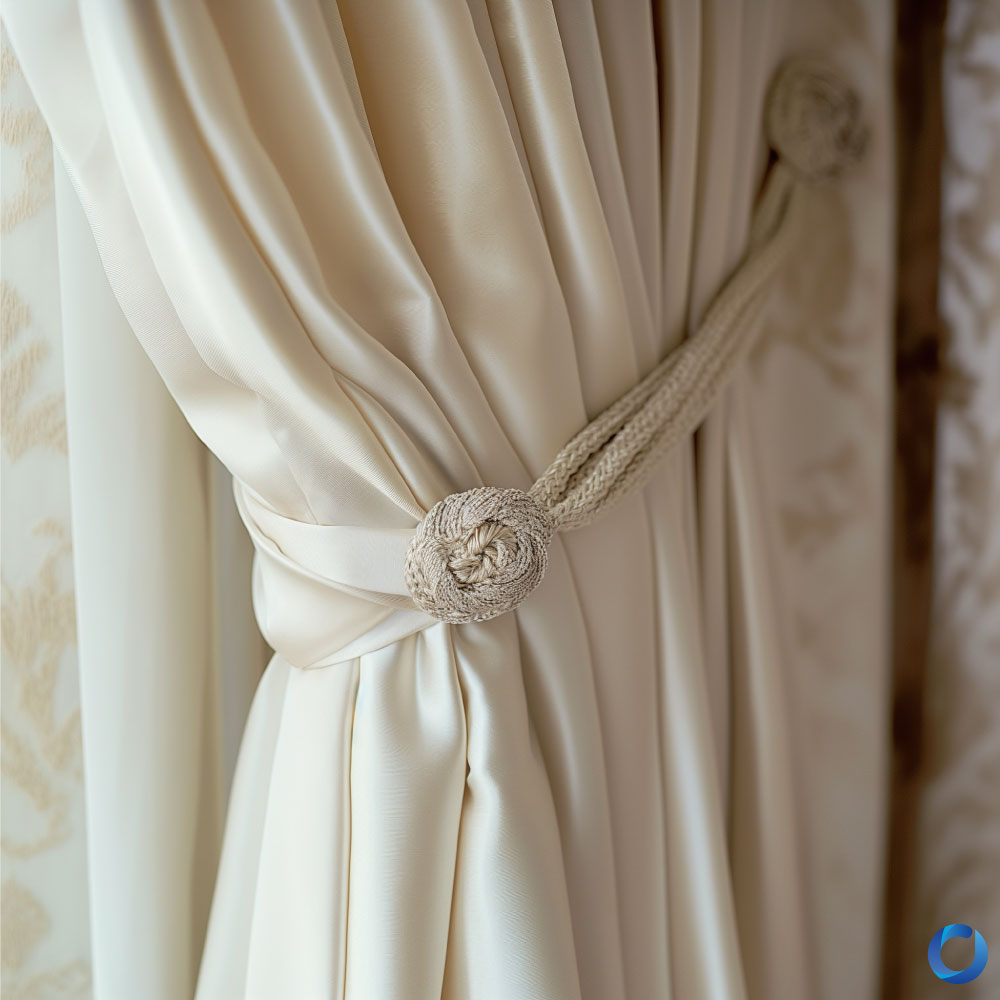
Tie-backs that hold the curtain together when drawn are another way to add colour accents to your design. These can be made DIY at home with some rope, ribbon, lace, or trimmed fabric for light curtains or purchased online for quality materials for heavier textiles. Because tie-backs are small, you can go all out with elaborate patterns, shapes, and thickness.
There are so many curtain styles and creative opportunities in the upholstery market that it can be confusing sometimes. We hope that with this simplified guide, you can identify a couple of curtain design combinations to suit your lifestyle and your dream home.
References
Admin. (2020, November 9th). Everything You Need To Know About Blackout Curtains. Curtain Library. https://curtainlibrary.com.my/article/everything-you-need-to-know-about-blackout-curtains/
Fabrics and Papers. (2022, January 17th). How to Use Trimmings in Your Interior Design. https://www.fabricsandpapers.com/blog/fabric-trimmings-ideas
Heling, A. (2024, February 6th). 12 Different Ways to Hang Curtains: Explore Different Styles. Rethority. https://rethority.com/ways-to-hang-curtains/
Jarrett, K. (2023, September 21st). How to Measure for Curtains: A Complete Step-by-Step Guide. Drive by Décor. https://www.drivenbydecor.com/how-to-measure-for-curtains/
Keller, H. (2020, February 21st). The Right Window Treatment for Every Room. House Beautiful. https://www.housebeautiful.com/home-remodeling/interior-designers/a29268889/types-of-window-treatments/
Mendelssohn, H. (2020, February 8th). A Complete Guide to All the Best Types of Curtains. House Beautiful. https://www.housebeautiful.com/room-decorating/a30704691/types-of-curtains/
Looking for quality sofas with creative fabrics and easy maintenance? Find the nearest showroom at acaciasofa.co
If you are searching for the perfect curtain to express your personality at home, find our nearest boutiques at acaciacurtain.co