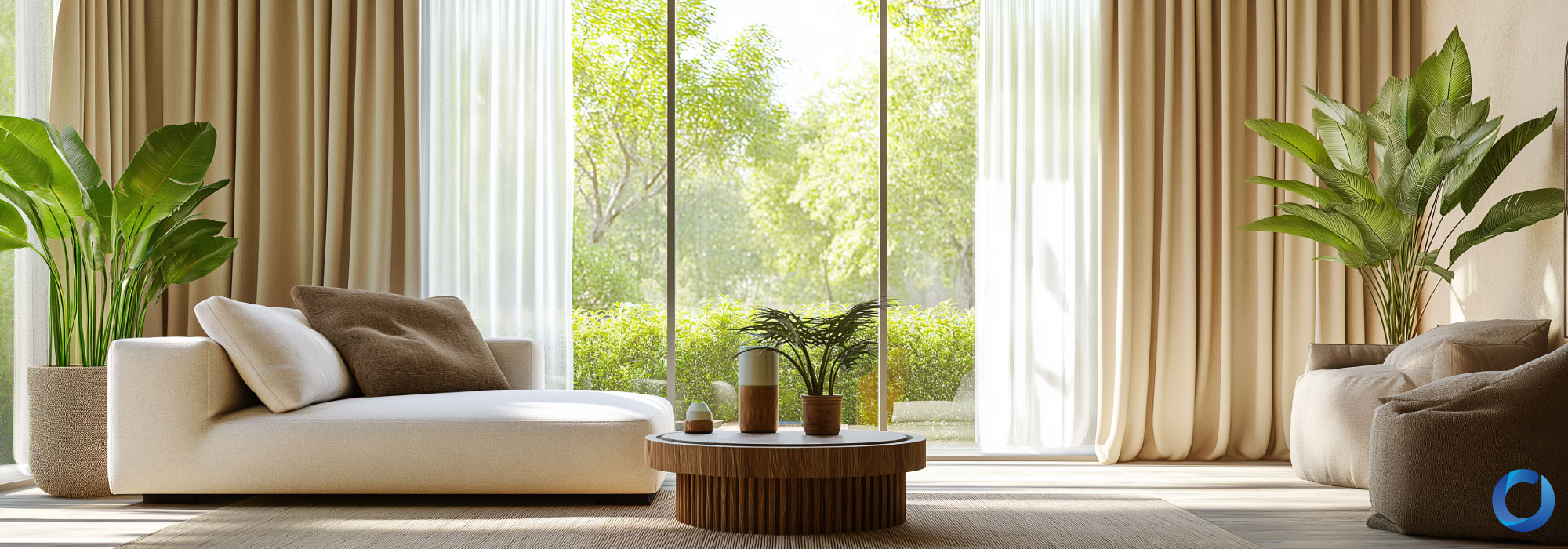
Sustainable Practices in Curtain Manufacturing
August 9, 2024
by Erin Kong
In an age where sustainability is more than just a buzzword, the textile industry is undergoing a transformative shift towards more eco-friendly practices. Curtains, a staple in every home, is no exception. Hence, this article explores the sustainable practices in curtain manufacturing that not only helps to preserve our planet but also sets a higher standard of quality and style that consumers should be expecting from this industry today. Whether you’re refurbishing your home or outfitting a new space, I hope that this article can not only guide you in making more environmentally conscious choices but also help you understand sustainability on a deeper level.
Making the right material choices for your space
Before we dive into the various sustainable practices in curtain manufacturing, sustainability starts from even when we select our specific fabric materials. Depending on the space, room and the atmosphere you are aiming to achieve, choosing the right fabric is crucial. Depending on your selection, the ambience, comfort and overall carbon footprint can be affected and it is our responsibility to make the right and conscious choice which could propel us to a more sustainable, and healthier future.
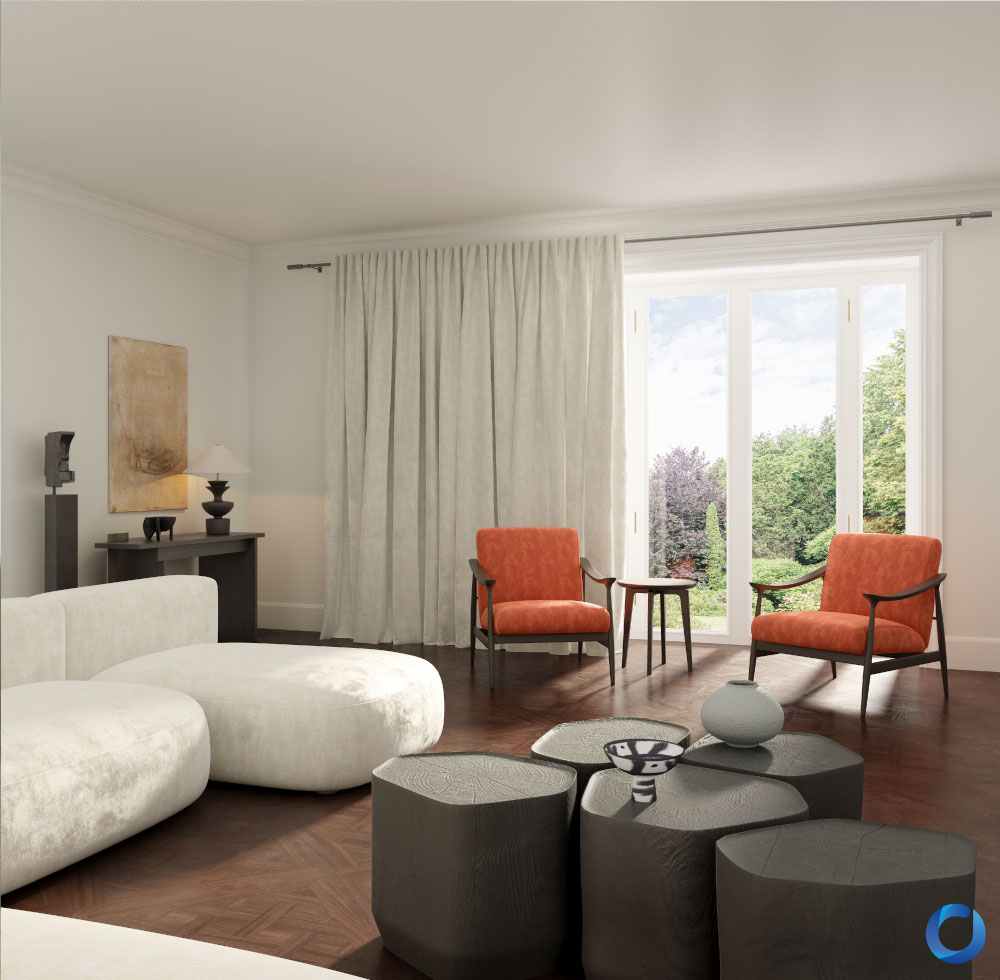
Innovation / Collection
Organic Cotton
With the wide range of materials available today, choosing the right materials is the first step towards sustainability. Natural materials such as organic cotton are a standout option for eco-conscious consumers. Organic cotton is cultivated using natural methods that maintain soil health and water consumption whereas conventional cotton is grown with extensive uses of pesticides and synthetic fertilizers. Besides its environmental benefits, organic cotton is also softer, and more durable, not to mention hypoallergenic, making them ideal for households with young children, pets and allergy sufferers. The absence of harmful chemicals also ensures that the air quality in your home remains uncompromised, contributing to an overall healthier living environment.
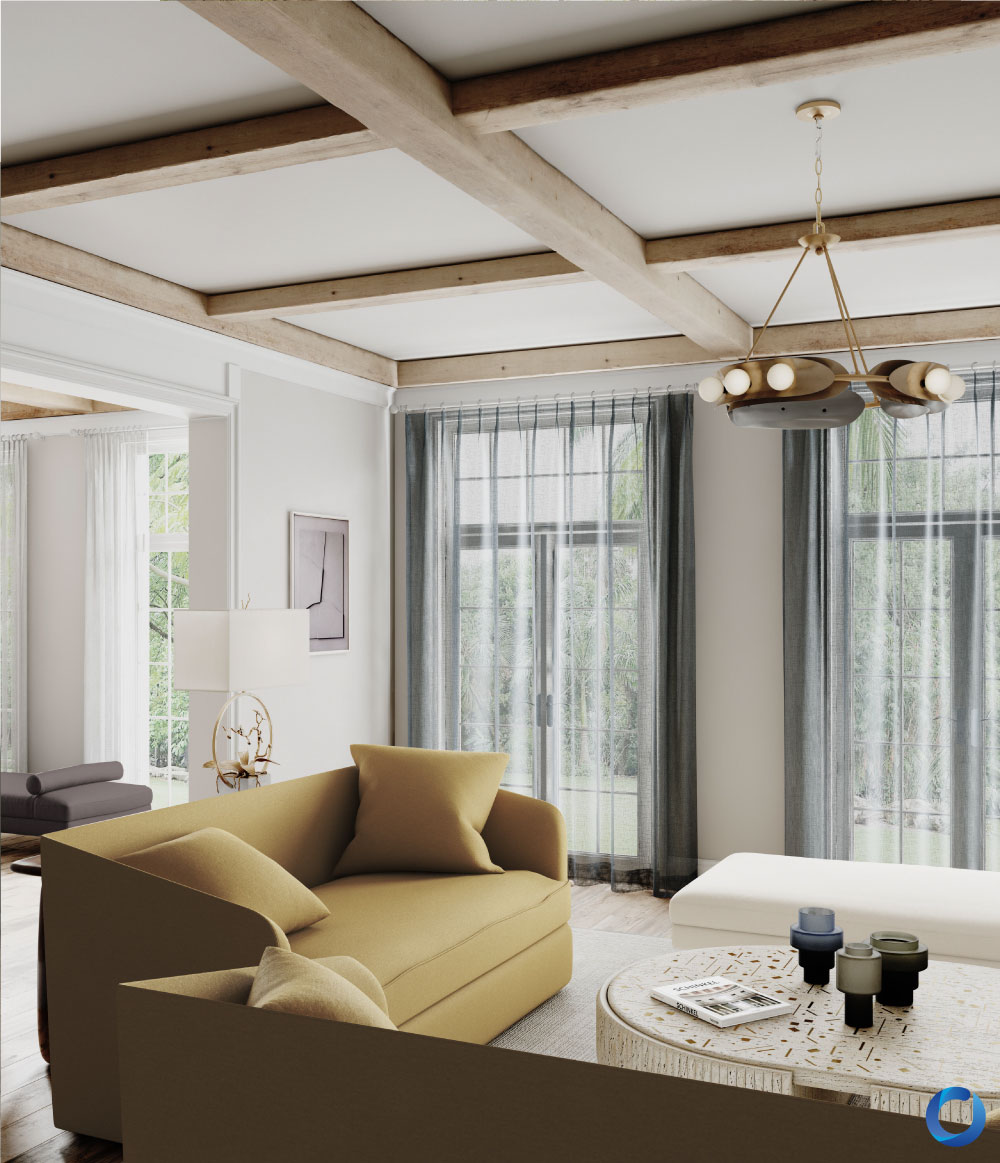
Focus / Collection
Linen
In addition to cotton, linen is also another excellent choice for sustainable curtains. Compared to cotton, linen, derived from the flax plant, requires significantly less water than cotton and thrives in poor soil conditions with minimal need of fertilizers and pesticides. With Bohemian contemporary inspired aesthetics or a room with neutral creams or white tones, linen is a great choice because not only of its sustainable qualities, linen has a roughness in its material quality that adds another dimension and textural element to any room. Besides its trendy and timeless aesthetic, linen also has a natural resistance to mold and mildew, making it an ideal low-maintenance option that can endure the test of time.
Recycled Materials - “A Second Life”
Besides materials that we already know of today, the use of recycled materials in curtain manufacturing is rapidly gaining popularity as an effective way to reduce waste and promote sustainability. Fabrics made from recycled plastics and fibers are being innovatively transformed into beautiful and high quality curtains.
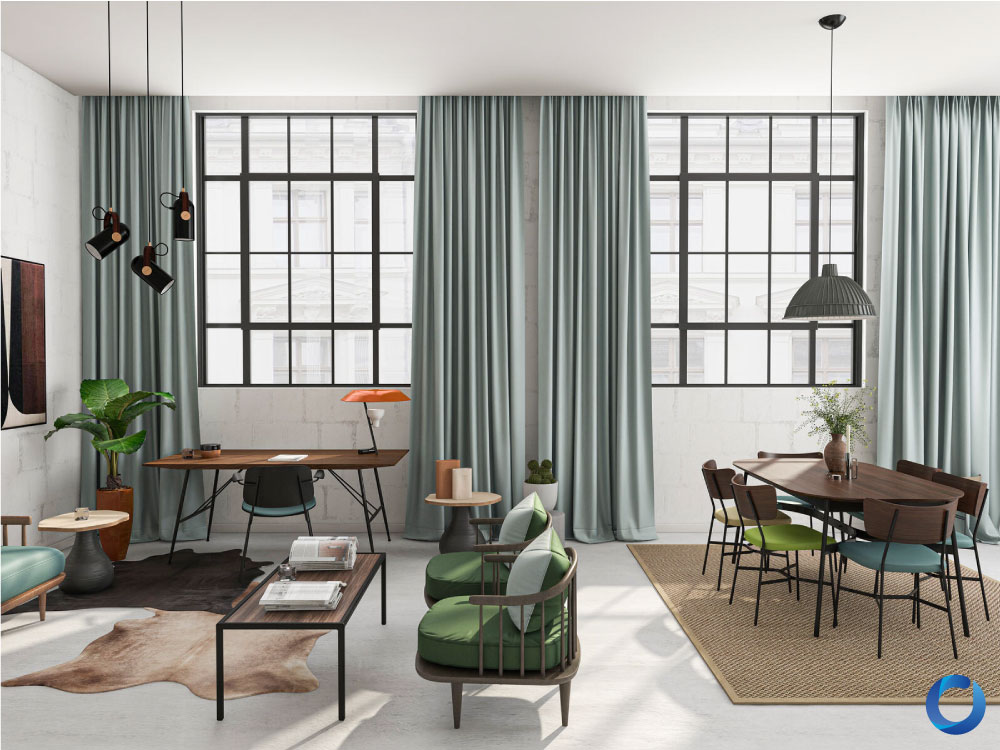
Bassilk / Collection
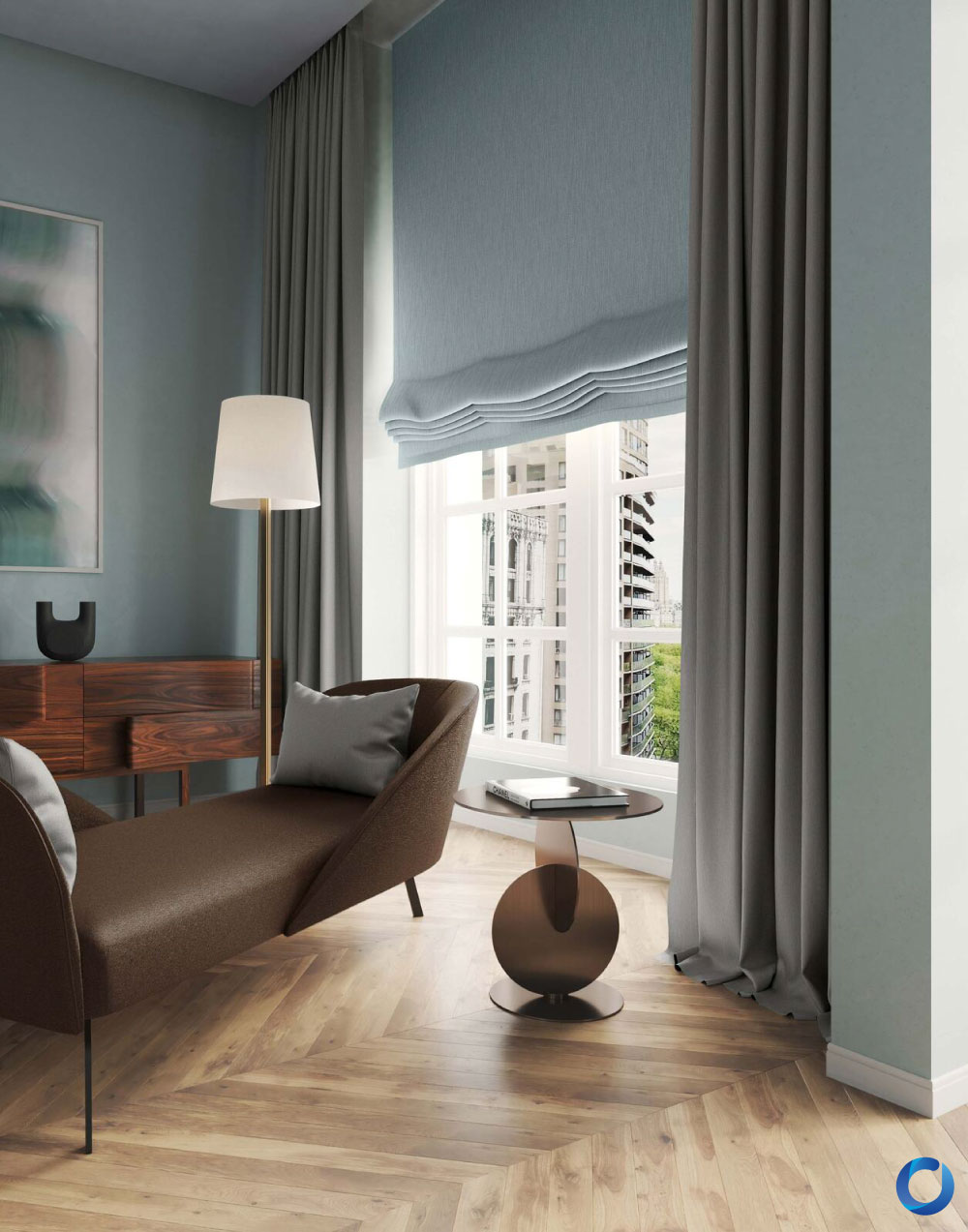
Recycled polyester, for instance, is created from post-consumer plastic bottles. This process not only reduces environmental pollution but also consumes less energy compared to the production of virgin polyester. In terms of performance, curtains made from recycled materials offer the same aesthetic appeal and performance, hence it does not compromise quality. Our own collections from Acacia Fabrics such as the Eclectic collection, Rewind collection, Merit collection and Recharge collection for instance, have a composition of more than 50% recycled polyester. We also have the Bassilk collection that is a 100% recycled polyester composition, wide width sheer. These fabrics are beautifully intricate with colorful varieties of texture, thickness and sheerness, as well as finishes that can not only compliment any space but showcase the beauty of reused and recycled materials that have a lighter footprint on this planet.
Vital / Collection
Longevity and Durability
Besides being sensible and sensitive with the type of material choices, another key element of sustainability is creating a product that can stand the test of time. Today, we can easily find cheaper, more affordable options. However, more often than not these cheaper alternatives do not last very long due to their cheap manufacturing and cheap material quality. With this, high quality craftsmanship ensures that your curtains remain not only functional and beautiful for years, but reduces the need for frequent replacements thus minimizing waste. With a timeless design, your careful choice of curtain designs would not only blend in and complement various decor styles, but also promotes sustainable practices in your own home.
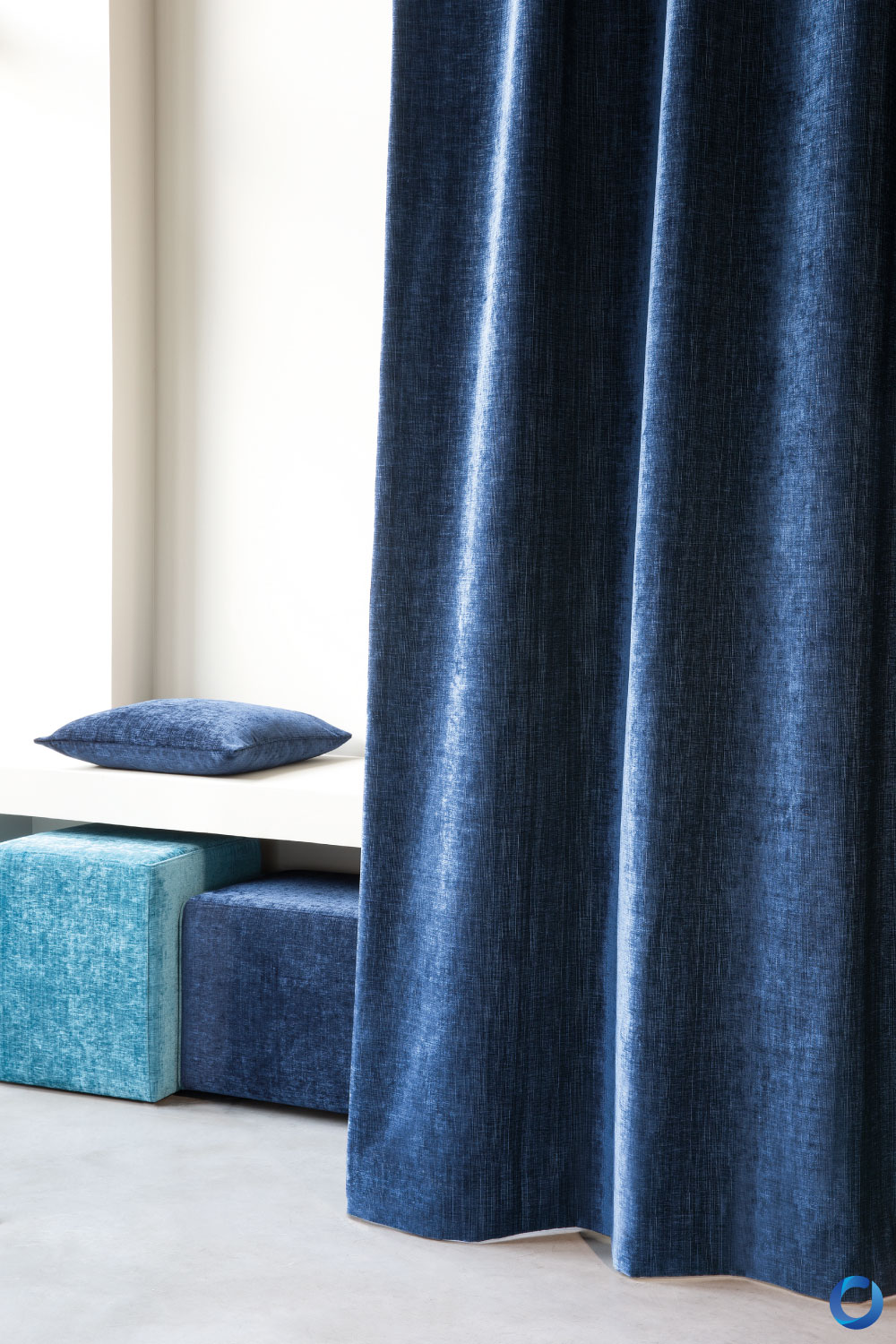
A tip in investing in durable curtains are not only in the types of material but construction and manufacturing techniques. The curtain fabric should be made with stable yarns where you would not need to replace them frequently. On our Acacia Fabrics website, you can find various details about the material such as the Martindale rub test which can inform you about the durability of the specific fabric and also other environmental standards. With this information, you can make more conscious choices which not only saves money in the long run but reduces the environmental impact associated with the manufacturing, transportation and disposal of short-lived products. Hence, think of it this way, quality curtains are an investment in sustainability and style!
Joker / Collection
Timeless Designs
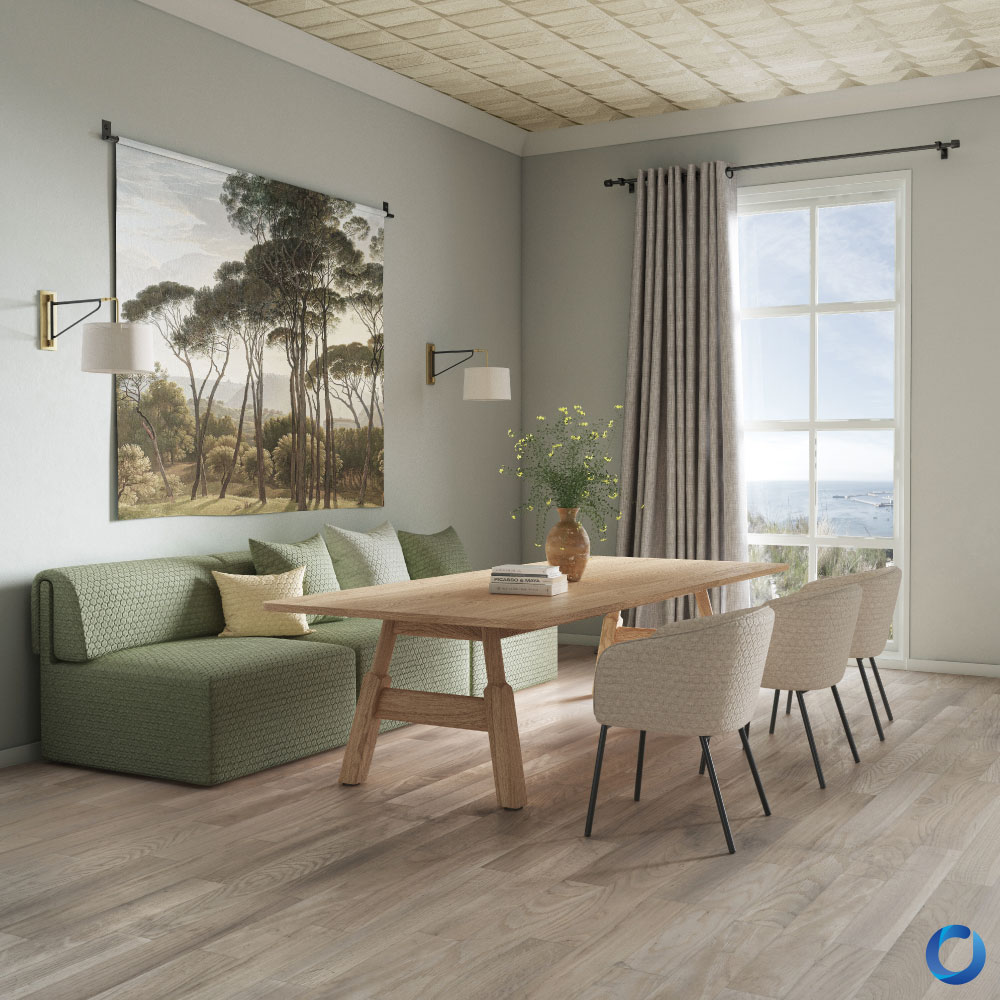
Now, when we think of sustainability, we often think about the back end of the product, such as where it comes from, what it's made from and more. However, a simple way of implementing sustainable habits is by simply selecting timeless designs for your space. Focusing on classic, more versatile designs that remain stylish and “on trend” is another way of ensuring longevity in your curtains. Organic cotton or linen materials are safe styles which are timeless and elegant. Depending on your home decor and preferences, a more minimalist and neutral tone would compliment any room through anytime. Trends come and go, but timeless designs endure! With wide ranges of designs, you can never go wrong with more neutral colors, simple patterns and elegant textures which can complement a variety of interior decor styles, allowing your curtains to fit into any changing taste and trends. In another article of ours here - https://www.acaciafabrics.com/en/Lifestyle/European-Contemporary-Curtain-Designs-2024 you can also see examples and read on tips for timeless designs that are not only modern and elegant but also provides lasting beauty and functionality.
Colourquilt / Collection
Consumer tips for Sustainable Living
Giving your old curtains a new life
Sustainability does not end with the purchase of eco-friendly curtains. With access to various media platforms these days, the concept of “Doing-It-Yourself” and upcycling is not a new thing. Today, people are more self educated and informed on sustainable living practices. Hence, upcycling old curtains or repurposing them into new decor items are not only fun but sustainable practice. For example, consider upcycling your old curtains into other decor items like cushion covers or tote bags. Not only does this reduce waste and add a personal touch to your home, but more often than not, these thicker curtain fabrics would also result in a much more durable and high quality secondary product. Plus, they would easily fit into the other decor which already is prevalent in your own home.
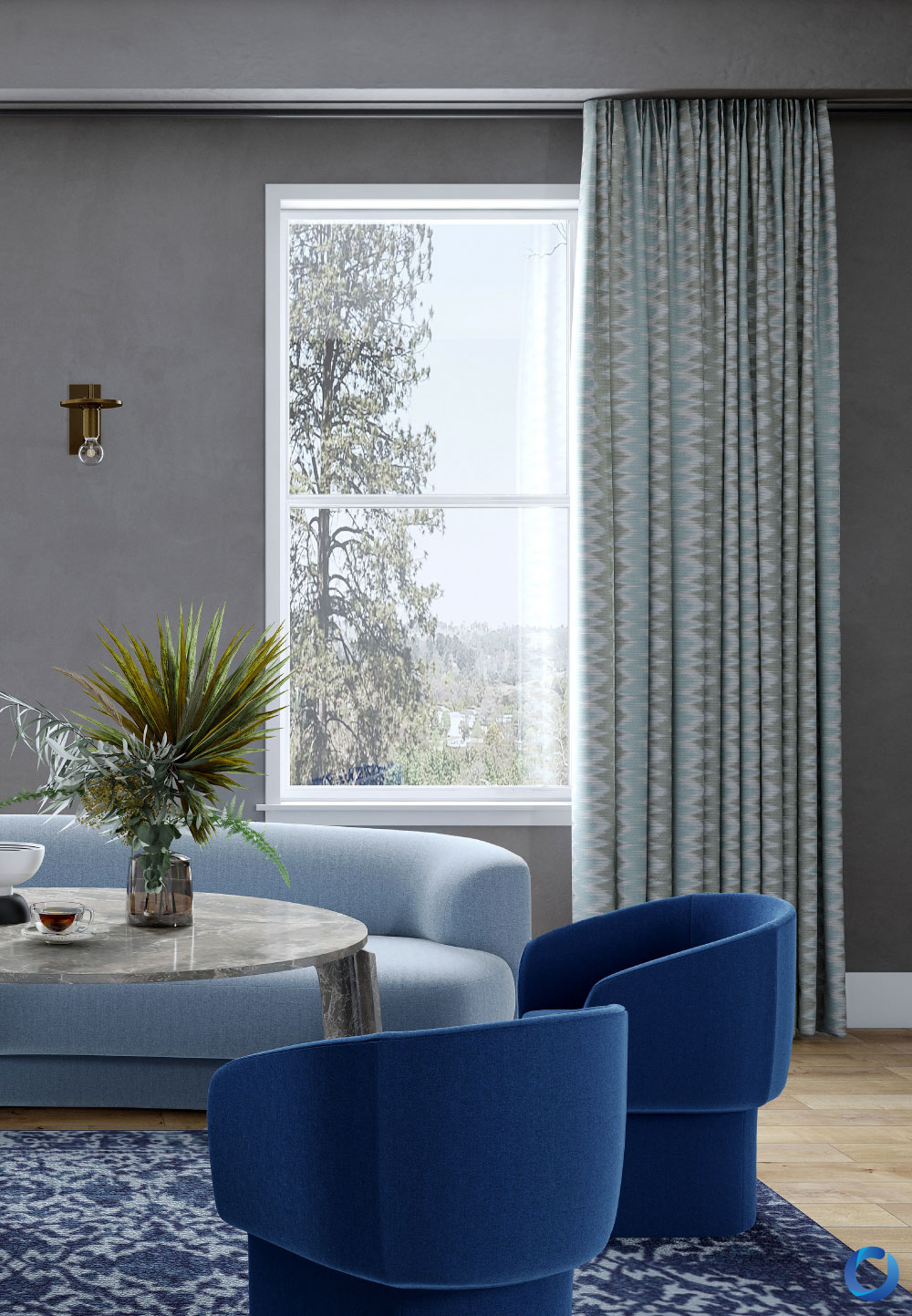
At Acacia, we believe that upcycling is a creative way to not only extend the life of your curtains but also reduce waste. Old curtains or leftover fabrics can easily be transformed into a variety of useful and decorative items, from tablecloths and napkins to even clothing pieces. In our office, we repurpose old display curtains and extra fabric materials into cute cushions for sale, and bags, dining placemats and more. The possibilities are endless and you would be surprised at how much you can do with different types of curtain fabrics. By repurposing old curtains, we hope to contribute to a more circular economy, where materials are not only reused and given a new life, but also an economy that reduces the need for new resources.
Marmont / Collection
Improving energy efficiency in your own home
Curtains in your home also are more than just to block out light or a decor element to your space. With the right curtains, they can also aid in economical and environmental aspects. With the advancements in fabric technology today, selecting the right curtains can also enhance the energy efficiency in your own home. Thicker, more insulated curtains can help maintain indoor temperatures, blocking out excess heat and maintaining a cooler indoor thermal comfort, thereby lowering your energy consumption. This not only also helps save money on energy bills but also helps to reduce your carbon footprint.
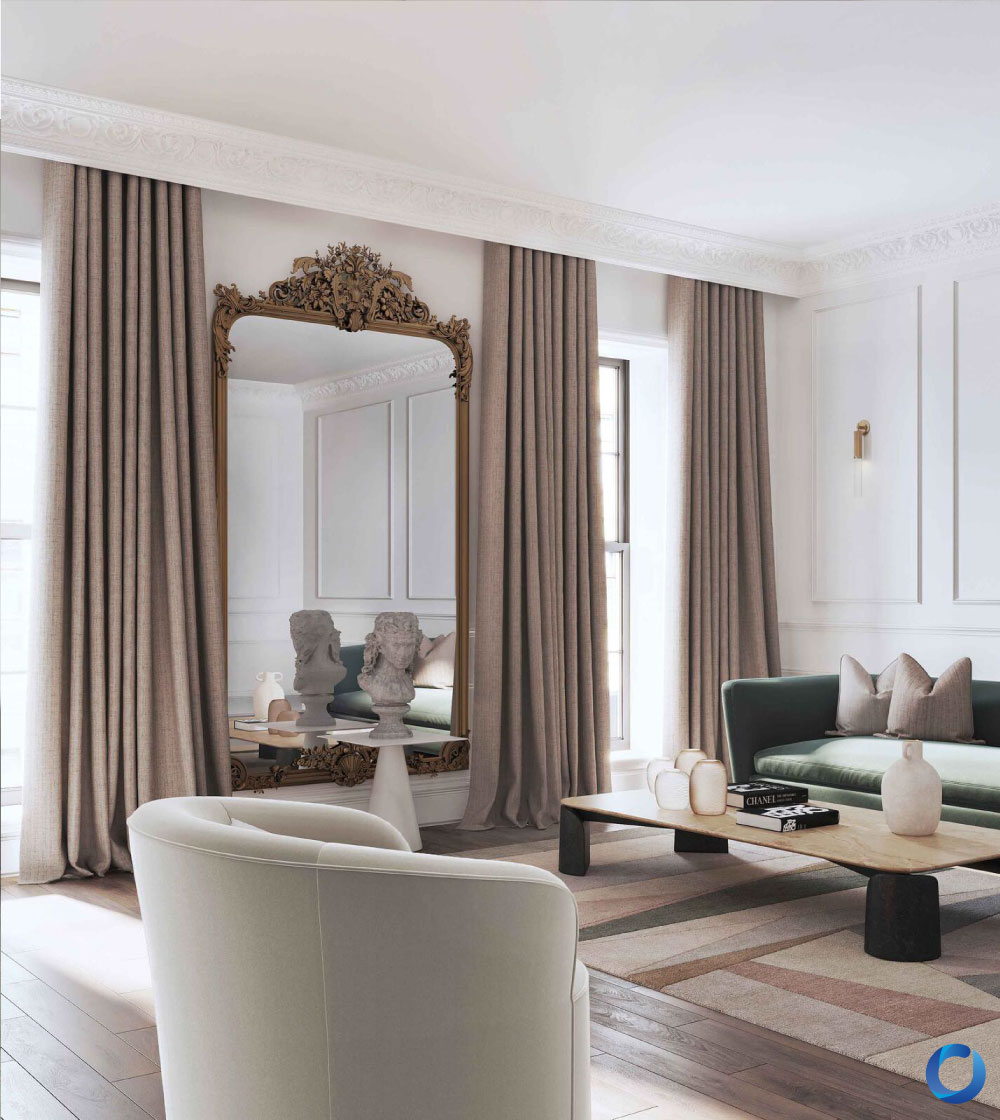
Iconic / Collection
Depending on how much light you want to enter the room, there are a variety of options from Dim-Out to Black-Out curtains. With Dim-Out curtains and blinds, these fabrics significantly reduce the degree of transmission from one side to another, whereas Black-Out curtains “block” 100% of light transmitted from one side to another. This technology is also extremely helpful to improve one’s sleep quality by blocking out external light, creating an overall healthier living environment, especially during longer days during the summer months.
Conclusion
As a whole, sustainable practices in curtain manufacturing encompasses a holistic approach, from the selection of eco-friendly materials and energy-efficient production methods to ethical labor practices and the creation of durable, long-lasting products. By being sensitive consumers and choosing sustainably manufactured curtains, you not only enhance the beauty and comfort of your own home but also contribute to a healthier planet. As consumers, our choices matter.
Sustainable curtain manufacturing is also about more than just reducing environmental impact, it’s about creating a better future for everyone and all lives on this earth. By supporting manufacturers who prioritize sustainability, we can also all help drive positive change in the industry and be an advocate in promoting a more eco-friendly and equitable world. Whether you’re renovating your home, moving into a new space or simply looking to update your decor, choosing sustainable curtains is a meaningful way to make a difference. Eventhough it seems like a small aspect in your home, being selective and making a conscious choice starting from the curtains in your home is a big step.
At Acacia, we understand the impact the textile industry has on the environment and as such, over the years, we have taken strides to not only transition to eco-certified fabrics. These standards ensure that our fabrics meet the highest environmental regulations, which currently include the STANDARD 100 by OEKO-TEX®, ISO 14001, Global Recycled Standard (GRS), Organic Content Standard (OCS), REACH (Registration, Evaluation, Authorization and Restriction of Chemicals), and Quality, Environment, Safety and Health (QESH). Hence, by choosing Acacia, you’re not just choosing beautiful, high-quality curtains - you’re making a commitment to a more sustainable and responsible way of living.
References:
Muir, K. (2019, May 21). Blackout fabric V dimout fabric: The differences: Stevens Scotland (ltd). Stevens. https://www.stevensscotland.co.uk/selecting-blinds-blackout-fabric-dimout-fabric-differences/#:~:text=In%20summary%2C%20a%20fabric%20with,the%20back%20of%20the%20fabric.
Our commitment to sustainability. Sustainability. (n.d.). https://www.acaciafabrics.com/en/Sustainability
Looking for quality sofas with creative fabrics and easy maintenance? Find the nearest showroom at acaciasofa.co
If you are searching for the perfect curtain to express your personality at home, find our nearest boutiques at acaciacurtain.co