The Ultimate Guide to Buying Wholesale Fabric in Singapore for Businesses
May 8, 2025
by Erin Kong
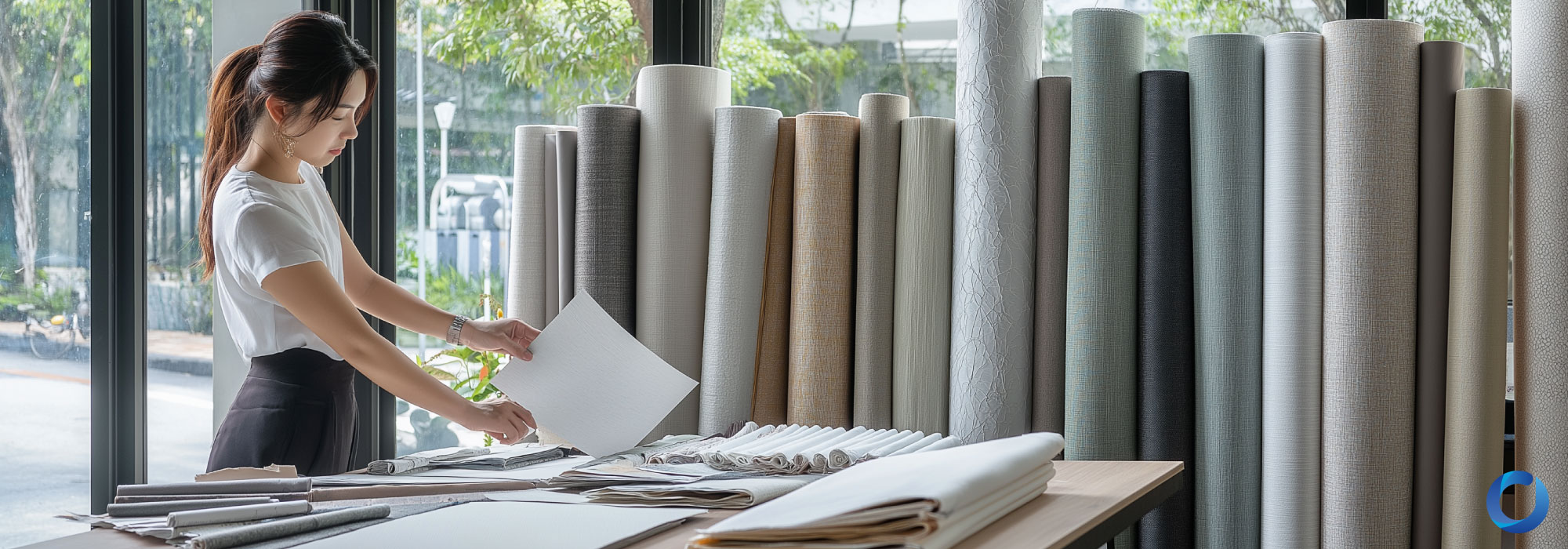
In the world of home décor, curtains are far more than just window coverings, they’re a powerful design element that can completely transform a space. From setting the tone of a room to controlling natural light and ensuring privacy, the right fabric plays both an aesthetic and functional role. For interior designers, home décor brands, and retail businesses, sourcing high-quality curtain fabrics is not just a creative decision, it’s a strategic one.
Buying wholesale fabrics online has become an increasingly attractive option for businesses. It’s not only cost-effective, but it also opens the door to a vast selection of materials, colors, textures, and innovative finishes. Whether you're launching a new collection, customizing window treatments for a residential project, or stocking your retail store, understanding where and how to source fabric in Singapore can directly impact the quality of your products and your profit margins.
That said, the abundance of online suppliers, fabric types, and technical considerations can feel overwhelming, especially if you're navigating wholesale purchasing for the first time. This comprehensive guide aims to simplify that process by walking you through everything you need to know about buying wholesale fabric in Singapore, from choosing the right materials to identifying reputable suppliers and understanding market trends.
Why buy wholesale fabrics?
Before going into the where and how, it’s important to understand why wholesale fabric buying makes sense, especially for businesses.
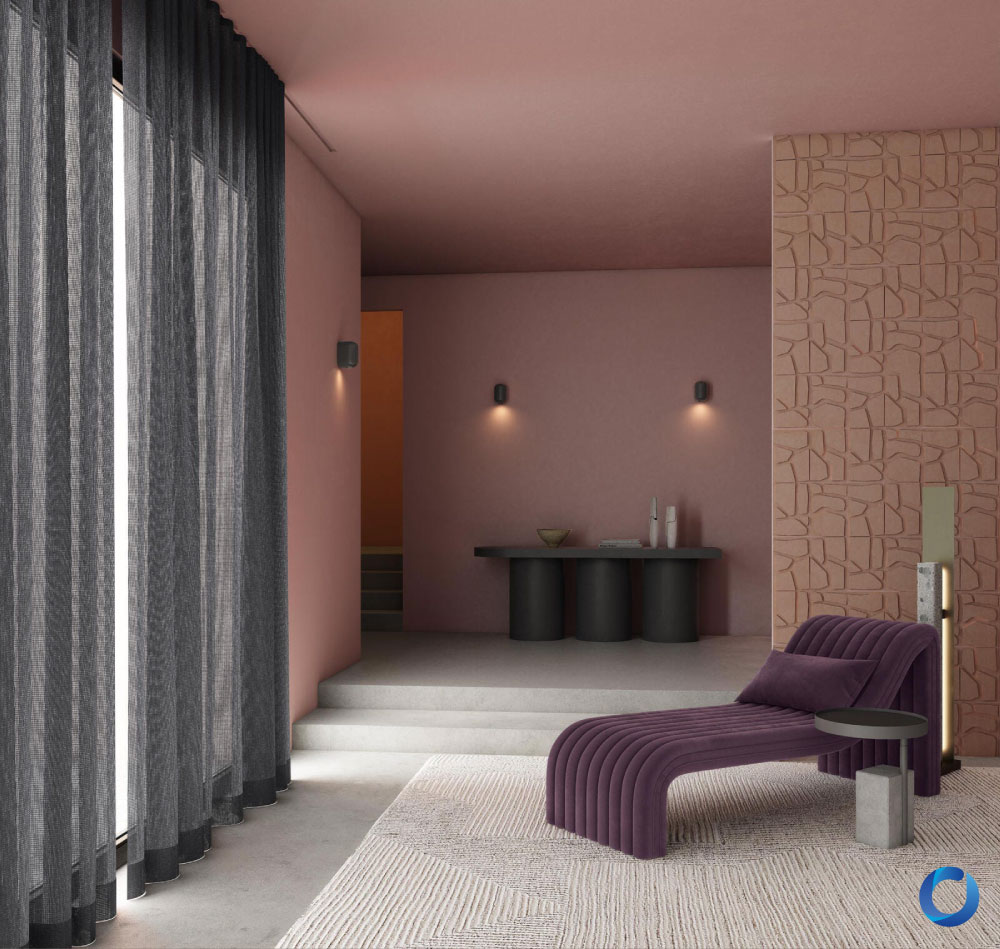
Tundra / Collection
- Cost efficiency
Wholesale fabric purchasing means lower prices per unit compared to retail. This is ideal for businesses aiming to maintain competitive pricing and higher profit margins. The more you buy, the cheaper each meter becomes.
- Access to Variety and Volume
Wholesale fabric suppliers also typically carry a vast range of material choices, from basic cottons to specialty textiles such as stain resistant, antimicrobial fabrics. Buying in bulk ensures that you have enough material for consistent production or large-scale projects.
Feel the fabrics at our beautiful showrooms
Contact us for the location of the nearest Acacia Fabrics dealer

- Customization Opportunities
Many wholesale vendors also offer customization such as prints based on your needs - especially for larger orders. This would give your brand a unique edge in a saturated market.
- Long-Term Supplier Relationships
Working directly with wholesalers opens doors to establishing valuable, long-term partnerships. This can lead to priority access to new designs, better credit terms and even tailored services.
- Trusted Suppliers Mean Peace of Mind
Many established wholesale fabric suppliers, especially those online, have built strong reputations over the years through consistent quality, customer service and reliable delivery. When you work with a supplier known for excellence and backed by positive reviews or referrals, you can focus more on other aspects of your business and less on worrying about fabric defects, late shipments, or miscommunication. Trusted fabric suppliers often have strong quality control processes in place, making your sourcing experience smoother, more predictable and stress-free.

Grenoble / Collection
Understanding the Types of Fabrics Available
In Singapore’s hot and humid climate, practicality and comfort play a major role in fabric selection. As such, some of the most commonly sourced wholesale fabrics include cotton, linen, and polyester; materials known for their breathability, lightweight feel, and durability in tropical weather. These fabrics are particularly popular across both apparel and interior design applications.
For home interiors, especially window treatments, sheers and black-out curtains remain top choices. Sheer fabrics are airy and light, allowing natural light to filter through gently while maintaining a soft, elegant aesthetic. They’re ideal for living rooms and communal spaces where brightness is welcome. In contrast, black-out curtains are made from denser fabrics designed to block sunlight completely, offering optimal privacy and light control, particularly for bedrooms or media rooms.
As for these everyday fabrics which are widely used, Acacia Fabrics are the main distributors in Singapore for these European fabrics. Their specialty collections, such as FR-One, UV-Pro, and FibreGuard, are engineered to outperform standard fabrics in various environments which are unique from other suppliers. These fabrics not only come with enhanced properties like stain resistance, water repellency, fire retardancy, UV protection, and antimicrobial finishes, but also in a wide range of colours and textures.
This innovation in fabric technology opens up a broader spectrum of possibilities for businesses and designers. Whether you're working on commercial projects, hospitality interiors, or high-performance residential furnishings, these fabrics give you access to premium quality and durability at different price points. As a buyer, this not only expands your material options but also allows you to tailor your selections to the specific needs of your customers or project, combining function with aesthetic seamlessly.

Alpen / Collection
Sustainability Trends and Transparency in Fabric Sourcing
In today’s conscious consumer landscape, there is a rapidly growing demand for eco-friendly fabrics and a cleaner, more ethical supply chain. Buyers are increasingly seeking materials made from organic compositions, as well as those produced through sustainable and socially responsible practices. This shift isn’t just a trend, it’s becoming an industry standard, especially among modern brands that prioritize transparency and accountability.
When sourcing wholesale fabrics, it’s essential to look for suppliers that clearly disclose product details and technical specifications on their websites. Reputable wholesalers often list everything from fabric composition and usage guidelines to sustainability certifications, offering buyers peace of mind and a deeper understanding of what they’re purchasing. This level of transparency empowers you to confidently resell fabrics or produce finished goods knowing the materials meet your quality and ethical standards.
Certifications like STANDARD 100 by OEKO-TEX®, and the Organic Content Standard (OCS) are key indicators of responsible textile production. For example, at Acacia Fabrics, many of our organic cotton textiles are certified under these standards, ensuring that they are not only safe for consumers but also environmentally and socially conscious.
Having this information readily available online, from material breakdowns to performance characteristics gives you full control over your sourcing decisions. It’s not just about fabric, it’s about trust, transparency, and being able to communicate those values to your customers.
In the process, you also get the opportunity to educate yourself on the wide range of sustainability certifications and quality benchmarks in the industry today, keeping you ahead of the curve in a market that’s evolving toward greener and more ethical business practices.

Cozy / Collection
Building Relationships with Suppliers
Success in wholesale sourcing isn’t just about finding the best price, it’s about cultivating strong, reliable relationships with your suppliers. A trustworthy supplier can become a long-term partner who understands your business needs, offers better terms, provides consistent quality, and even prioritizes you for new collections or limited stock. In a competitive industry, these relationships can be the key to staying ahead and effectively navigate the sourcing process and mitigate potential risks. Hence, to strengthen supplier relationships, here are some important steps to follow:
- Clear and respectful communication
Establishing open and clear lines of communication with your fabric manufacturers and suppliers is essential for building a successful, long-term partnership. From the outset, it's important to provide detailed and precise specifications, including the type of fabric, quantity required, preferred colors or finishes, and delivery timelines. Clear communication minimizes misunderstandings and sets the foundation for a smooth transaction.
Reliable suppliers value clarity just as much as you do. When you're specific about your needs, it helps them deliver more accurately and efficiently. Beyond the initial order, make it a point to maintain regular check-ins throughout the process. This ensures that both parties remain aligned on expectations, production progress, deadlines, and any potential challenges or delays that may arise.
By proactively staying in touch and addressing issues early, you foster a working relationship built on mutual trust, accountability, and transparency. These qualities are invaluable, especially when working on recurring projects or tight timelines to help avoid last-minute surprises and creating a dependable supply chain you can count on.
- Be reliable and Professional
Robust quality control processes should also be implemented to ensure that the fabrics produced by your manufacturers meet your standards. With this in mind, it is also important to foster a trusting relationship on both ends, so payments should be made on time, orders should be confirmed promptly and professionalism should be maintained. This earns respect and potential perks.

Sabato / Collection
- Fostering long-term partnerships
Instead of constantly switching fabric manufacturers, aim to establish long-term partnerships. Hence, it’s important to do enough research when looking into your first partnership to make sure that you can trust and come back for every project. Invest time and effort into building strong relationships based on trust and mutual benefit. This continuity not only fosters a deeper understanding of each other’s needs and capabilities but also leads to improved efficiency and cost-effectiveness in the long run.
With Acacia Fabrics, the wide array of fabrics from the Fabric Library collection can suit every need from colour, to texture and patterns. Meanwhile, other collections also offer technical and performance fabrics such as the UV-Pro, FibreGuard, FR-One and more.
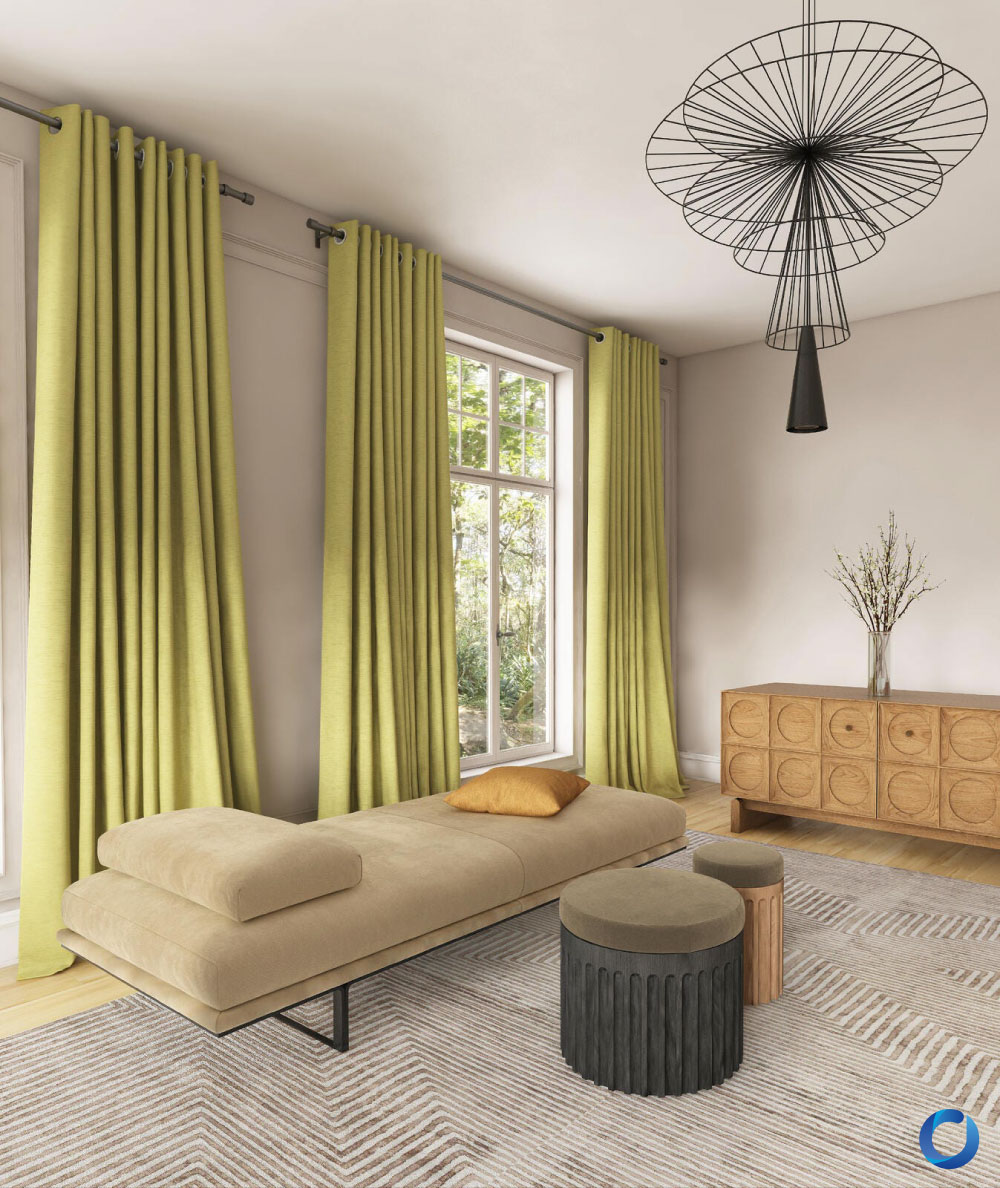
Luxor / Collection
Mastering Fabric Testing and Certification
To guarantee the quality and reliability of fabrics sourced from reputable manufacturers, it’s essential to have a solid understanding of fabric testing protocols and certification standards. These processes are key in evaluating whether a fabric is fit for its intended purpose, both in terms of durability and performance.
Fabric durability testing involves putting materials through rigorous stress conditions to assess their strength and resistance to wear and tear. This ensures the fabric can withstand long-term use and highlights any structural weaknesses that may affect its performance. Meeting durability standards is especially critical for high-use applications, such as upholstery in commercial or hospitality settings.
On the other hand, fabric performance testing focuses on functional qualities like moisture-wicking, breathability, stretch recovery, and thermal regulation. These assessments help determine whether a fabric meets specific performance benchmarks required for different end uses, whether it's for sportswear, home décor, or heavy-duty commercial projects.
At Acacia Fabrics, for example, many of our textiles are tested by LABOTEX, an independent laboratory known for its stringent standards. Fabrics undergo Martindale and Wyzenbeek rub tests, which measure abrasion resistance. The rub count indicates how well a fabric can withstand friction over time, a high rub count signifies exceptional durability, making the fabric ideal for high-traffic areas like hotels, offices, or public lounges. Besides that, Acacia Fabrics’ FR-One collection has also many certification labels that are also present in the Fabric Library brand, which are great performance fabrics for fire retardant needs.
By familiarizing yourself with fabric testing and certifications, you gain the confidence that the materials you're sourcing not only meet industry standards but are also built to perform. This attention to quality not only elevates your product offering but also builds trust with your customers, ensuring long-term satisfaction and credibility.

Feather Soft / Collection
Conclusion
In Singapore’s fast-paced and competitive economy, whether you're an emerging designer or an established exporter, knowing how to navigate the wholesale fabric market is essential to optimizing costs and scaling your business. Trusted suppliers like Acacia Fabrics offer extensive inventories that range from luxurious silks and durable cottons to technically advanced performance fabrics, empowering designers and businesses to transform their creative ideas into high-quality, functional products.
Having access to such a diverse fabric selection also fuels experimentation and innovation, both of which are vital for staying ahead in the ever-evolving world of interior design and home décor. Beyond cost-efficiency, engaging with wholesale suppliers opens up opportunities to improve your creative output, reinforce your brand identity, and contribute to more sustainable sourcing practices.
As the textile industry continues to evolve, it’s more important than ever to work with suppliers that are not only aligned with the latest design trends but are also committed to sustainability and ethical manufacturing. Choosing the right wholesale partner can become a strategic asset, helping your business remain agile, responsible, and future-ready.
So take the time to research, ask questions, build strong supplier relationships, and think long-term. With the right partnerships and sourcing strategies in place, your fabric journey in Singapore can become one of the strongest foundations of your business success.
Interested in exploring premium wholesale European fabrics? Reach out to our team at Acacia Fabrics and let’s get in touch!
Feel the fabrics at our beautiful showrooms
Contact us for the location of the nearest Acacia Fabrics dealer
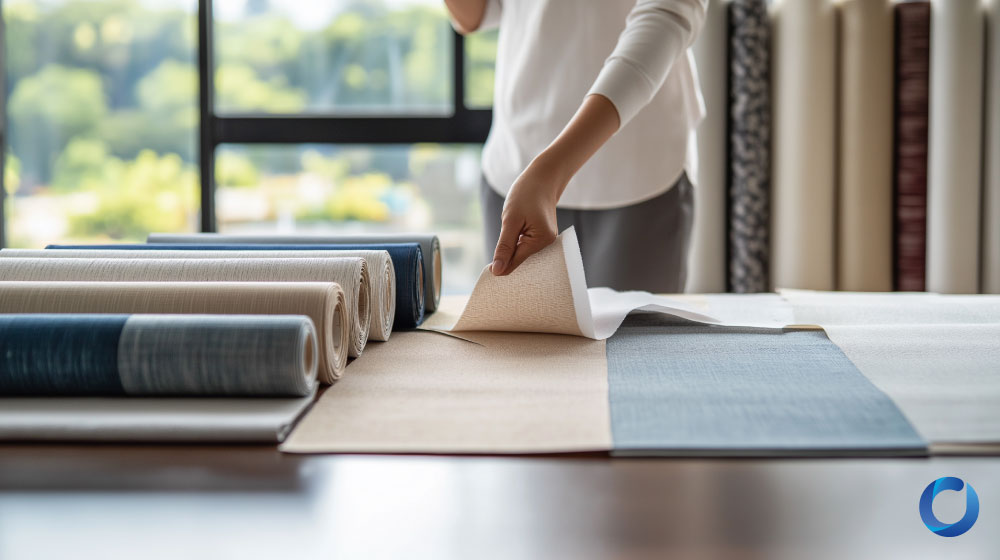
Article Suggestion :
- Choosing the Right Curtain Fabric: A Buyer’s Guide for Singapore Homes
- Trendy Curtain Fabric Designs in Singapore: What’s Popular in 2025?
- Scandinavian Sofa for Singapore's Holland Village Homes
- Acacia Fabrics Brings its Passion as a Fabric Supplier to Singapore
- Elegant Upholstery Fabrics Inspired by Raffles Hotel
- Latest Curtain Design 2024
- Best Daylight Curtains for Singapore's Bukit Timah Homes
- Minimalist Curtain for Modern Robertson Quay Homes
Looking for quality sofas with creative fabrics and easy maintenance? Find the nearest showroom at acaciasofa.co
If you are searching for the perfect curtain to express your personality at home, find our nearest boutiques at acaciacurtain.co