Elegant Upholstery Fabrics Inspired by Raffles Hotel
October 17, 2024
by Sufiana
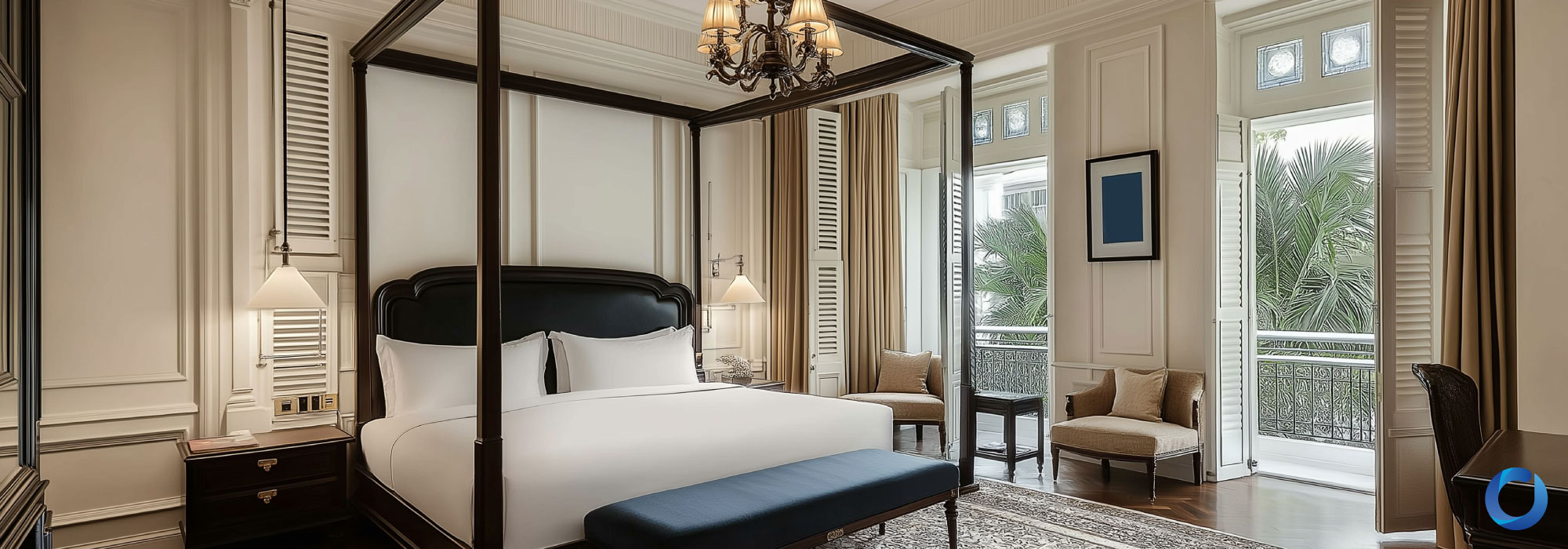
If you have ever wished you could live in your favorite hotel, you’re in luck. The iconic Raffles hotel has gone through its latest restoration works led by world-renowned interior designer Alexandra Champalimaud and she has revealed some of the design elements and inspirations she used to create the hotel’s gorgeous interiors.
Established in 1887, the ‘Grand Dame’ of Singapore is an architectural gem and is one of the last few 19th-century hotels still functioning today. It began as a humble 10-room waterfront colonial bungalow at Beach Road and has now evolved into an integral part of Singapore’s cityscape. A favorite among dignitaries and luxury travelers, the hotel was gazetted as a national monument in 1987.
After being acquired by Accor in 2015, the hotel has gone through a series of refurbishments under the expert eye of Alexandra Champalimaud, who has also designed the interiors of the Beverly Hills Hotel, Claridge’s in London, and the Four Seasons Hotel in Jakarta.
For the latest round of restorations, the lobby, dining venues, pool, bar, and all 115 suites have been updated with new furniture, materials, and colorways. Her team worked with local and international craftsmen, using an array of rich antique-style fabrics and leathers sourced from countries such as Italy, France, and the United States to refurbish the rooms.
“What we’ve done is contemporary and nostalgic. It’s got some touches of Peranakan details, and Malay-Chinese influences,” she explains. “It’s about bringing the beautiful hotel from the 19th century up to the 21st century and moving forward.”
Here are some examples of the decor and upholstery designs used at the Raffles Hotels and the elements you can borrow to recreate the same five-star experience at home.
Weaving modernity into history
Weaving modernity into history
Built more than a century ago, the hotel’s colonial roots are evident in the architecture and interior design of the building. As explained by Alexandra, the goal of the hotel’s decor is to create a wonderful harmony between colonial and modern design with Eastern touches against the Western architecture of the building.
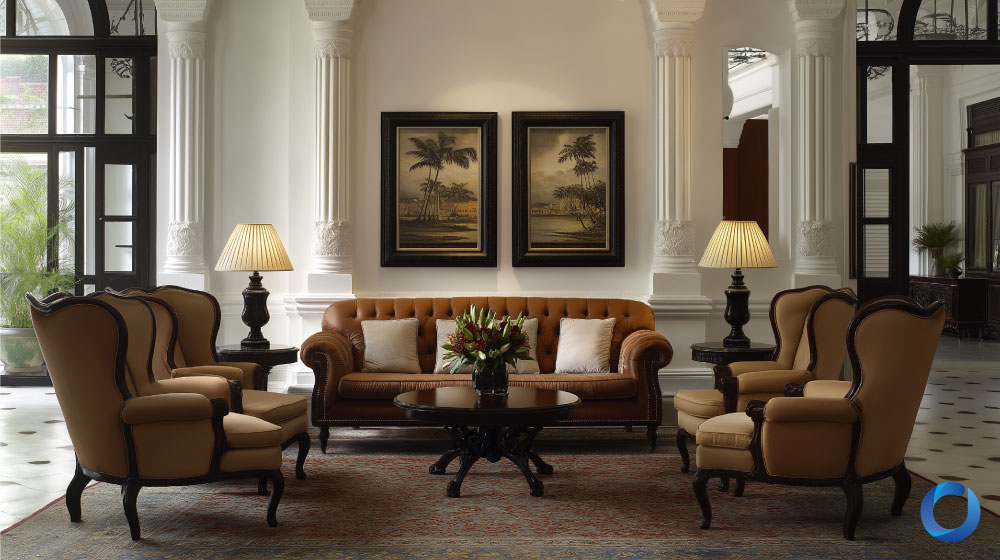
Upon entering the lobby, you will be welcomed by the sight of wing chairs draped in damask upholstery, chesterfield sofas, and leather-bound tables arranged symmetrically on the left and right sides of the room.
Much of the indoor decor of the hotel takes cues from the classic English design. Floral motifs can be seen predominantly on the furniture, rugs, and window coverings used in the bedroom suites. To preserve the heritage vibe of the hotel, Alexandra uses mostly antique furniture made from dark-stained mahogany and teak, paired with opulent fabrics like velvet and brocade. These plush materials not only give off a luxurious feel but are also exceptionally durable for long-term use.
Weaving modernity into history
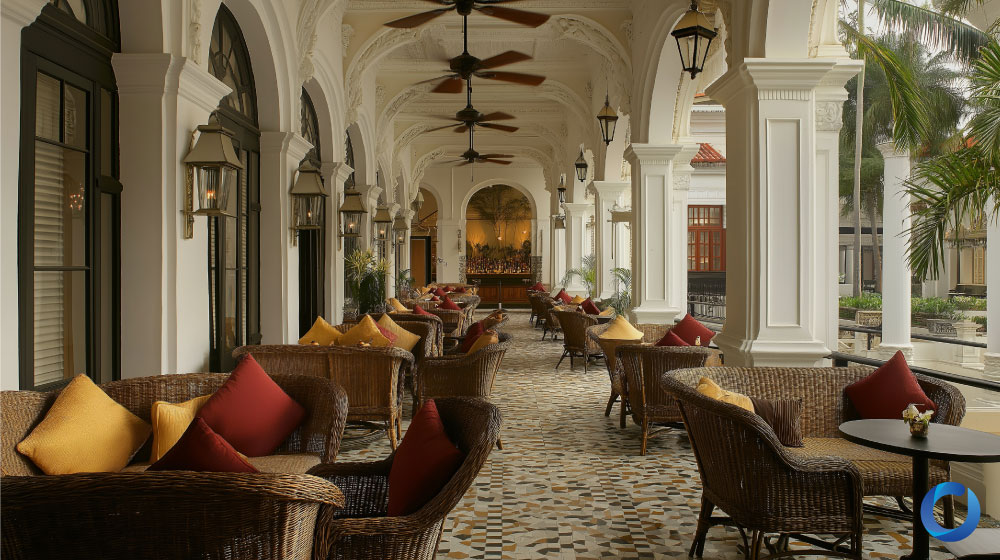
Typical of British Colonial design, bamboo, rattan, and wicker accessories are seen in every room. The hotel’s iconic verandas are decorated with outdoor furniture adorned with animal, botanical, and tropical designs, as a nod to Singapore’s tropical climate. Distinctive patterns like the traveler's palm are used on the throw pillows, table linens, and upholstery to provide a lively contrast against the building's classic white and black facade.
Among the antique pieces, Alexandra’s team balances the decor with contemporary furniture that breathes new air into the 137-year-old hotel. A great example of this can be seen at La Dame de Pic, one of the hotel’s fine dining restaurants. Here, a mix of leather, wood, floral, and gold materials provides a modern touch against the old-world charm of the dining space.
Alongside the common colonial tropes, she also incorporates many classic Peranakan design elements in the choice of floral patterns, ornate detailing, and color palette as an homage to Singapore’s local culture. Chinoiserie is another repeating decorative element seen in many of the hotel’s spaces. At Yi, the hotel’s Chinese dining restaurant, furniture embedded with dried flowers, glass screens bearing botanical motifs, and modern Chinoiserie wall fabrics are used against more modern furniture draped in silk.
Use a color palette that reflects the natural surroundings
Use a color palette that reflects the natural surroundings
The hotel’s color palette is heavily characterized by the contrast of light and dark neutrals, complemented by muted pastels to achieve a sense of elegance and grandeur. Most of the anchor furniture used in the common areas are in shades of off-white, cream, and beige, along with tan and aged leather accent pieces.
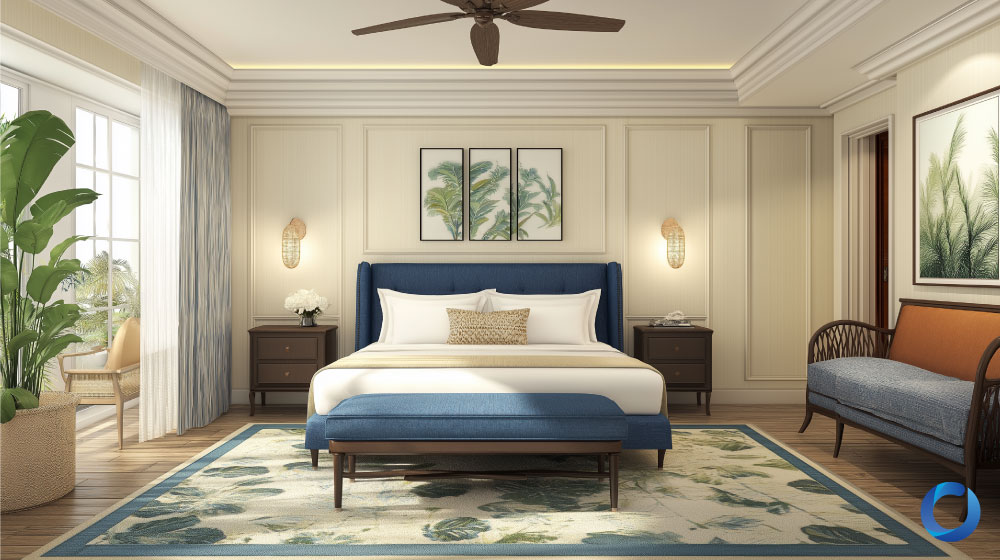
The color scheme of the suites is kept simple with various shades of blue to supplement the dark wood furniture and crisp white sheets. Royal hues of blue are used to upholster the headboards and sofas along with matching blue rugs to sit under the large furniture. Lighter blue wallpaper with floral motifs also covers the walls of the walk-in closet in the larger-sized suites.
“I want the space to feel comfortable,” Alexandra explains. “It’s not meant to impress you, but it’s meant to have beautiful pieces that are unpretentious.”
Other shades that represent nature like green, pink, and purple are subtly referenced throughout the hotel’s interior. From the artworks displayed to the bespoke rugs, lighting decor, and other decorative elements within the property, there are botanical motifs that influence nearly every area of the hotel.
“We had this notion of Singapore as the ‘Garden City’, and Raffles Hotel Singapore is known for its beautiful garden courtyard,” a member of her team shares. “This pulls a bit on the tropical nature of the island, we’re taking that but making it sophisticated by doing it in dark colors.”
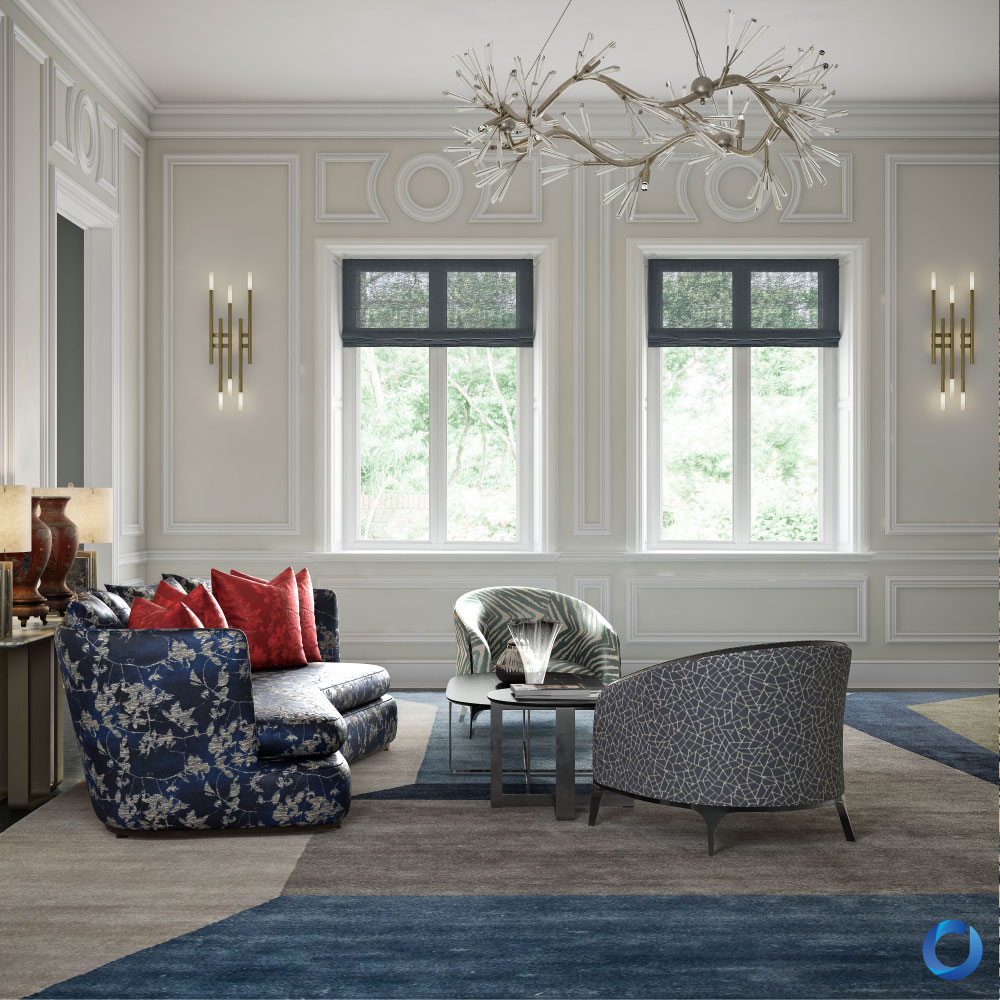
Rubenesque / Collection
Types of upholstery fabric to explore
Choosing to do custom upholstery is an investment but good fabric is built to last. Before buying your upholstery fabric, it is important to understand the different types of textiles and the look these materials can achieve. Fabrics like silk feel luxurious but are not very practical for furniture in high-traffic areas, whereas pieces that are less exposed to wear and tear like an ottoman or a headboard may use any type of material.
Examples of textiles used at the Raffles Hotel
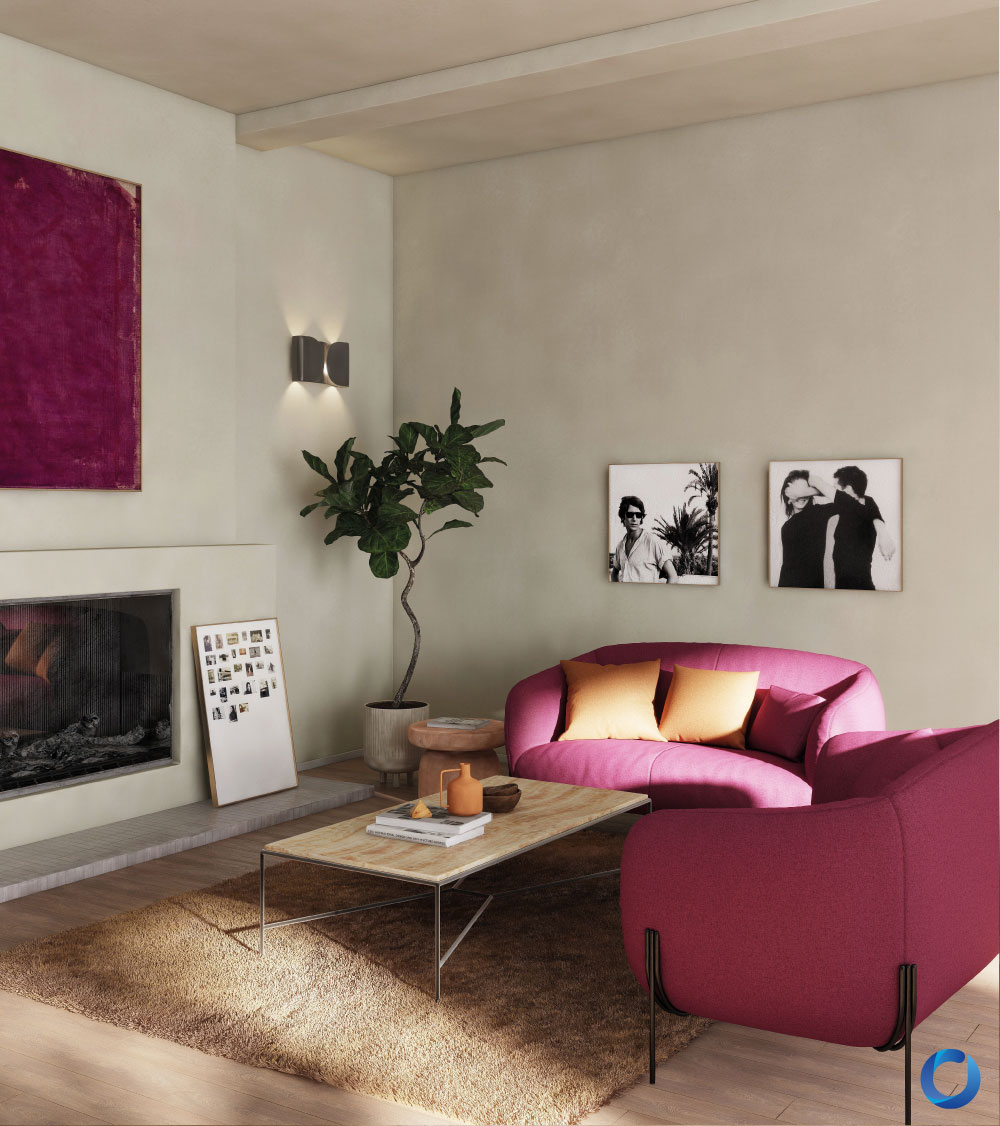
Anchor / Collection
Cotton
This is a natural, plant-based textile that is generally durable and easy to maintain for everyday use. Depending on the weave style and finish, it can look formal or casual. It is also typically blended with other materials to make up different compositions. For more formal options, opt for a jacquard or damask pattern made from cotton.
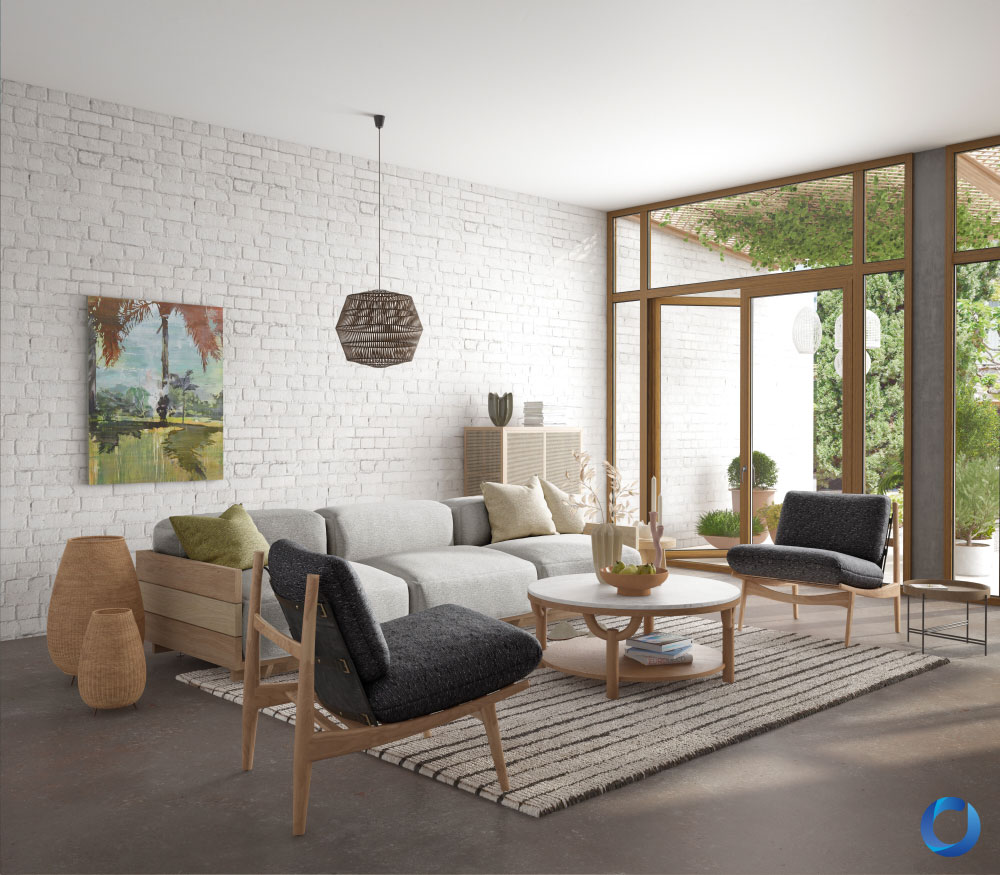
Matica / Collection
Linen
Elegant yet enduring, linen is a great base fabric that can be used indoors and outdoors. Also a plant-based fabric, linen has a distinctive look that can add texture and character to your furniture. It is often mixed with polyester to make the material more resistant to wrinkles and stains. Due to the nature of the fabric, it does not pile or fade easily, making it a great option for large pieces of furniture like sofas.
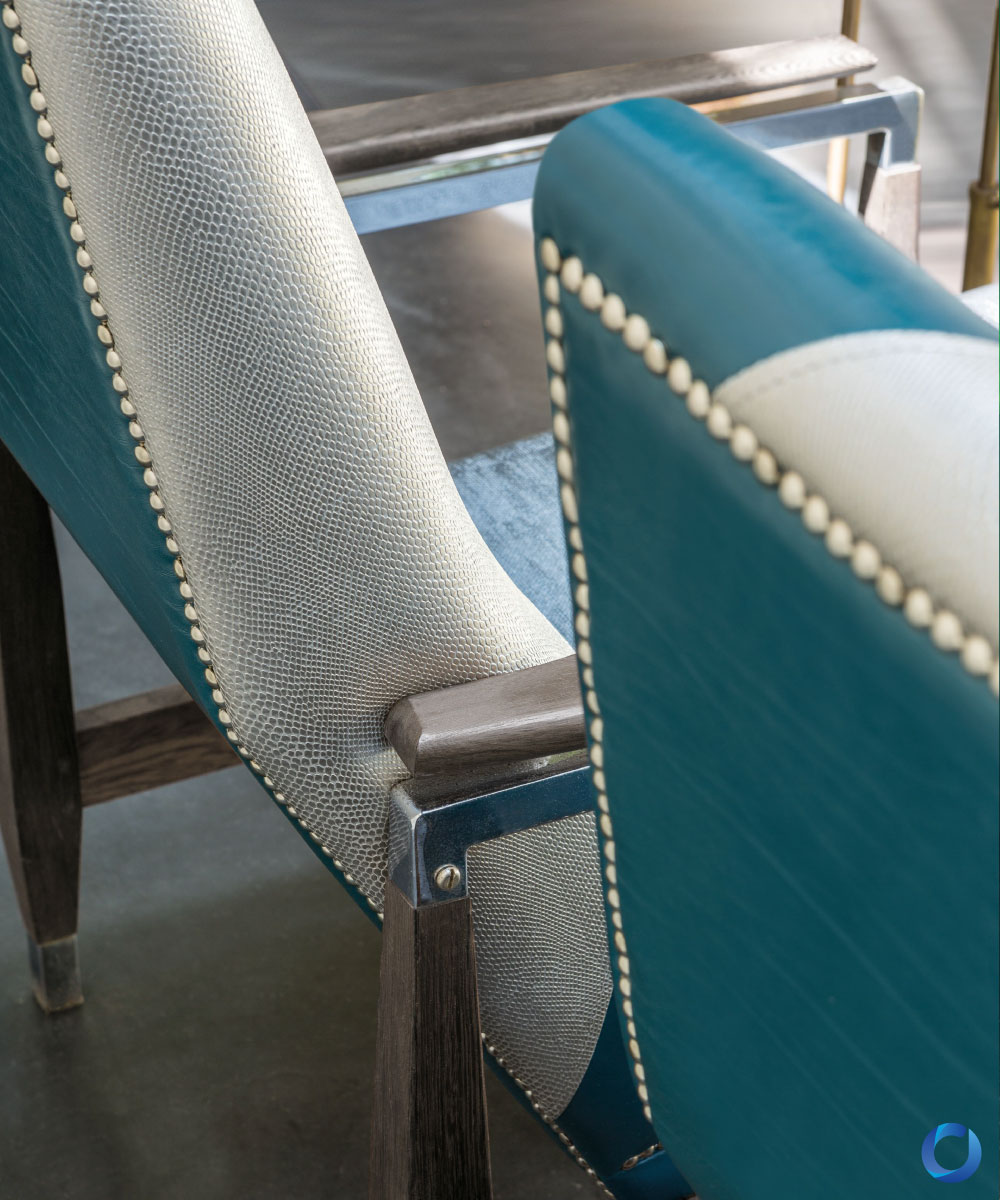
Leather Craft / Collection
Leather
Made from animal hide, leather is a highly durable fabric that can work on a variety of surfaces. Signature styles like the Chesterfield sofa often use leather to elevate the formal or regal look. But if real leather is not your style, vinyl is a synthetic material that can often imitate the look of leather and is much easier to maintain for day-to-day use.
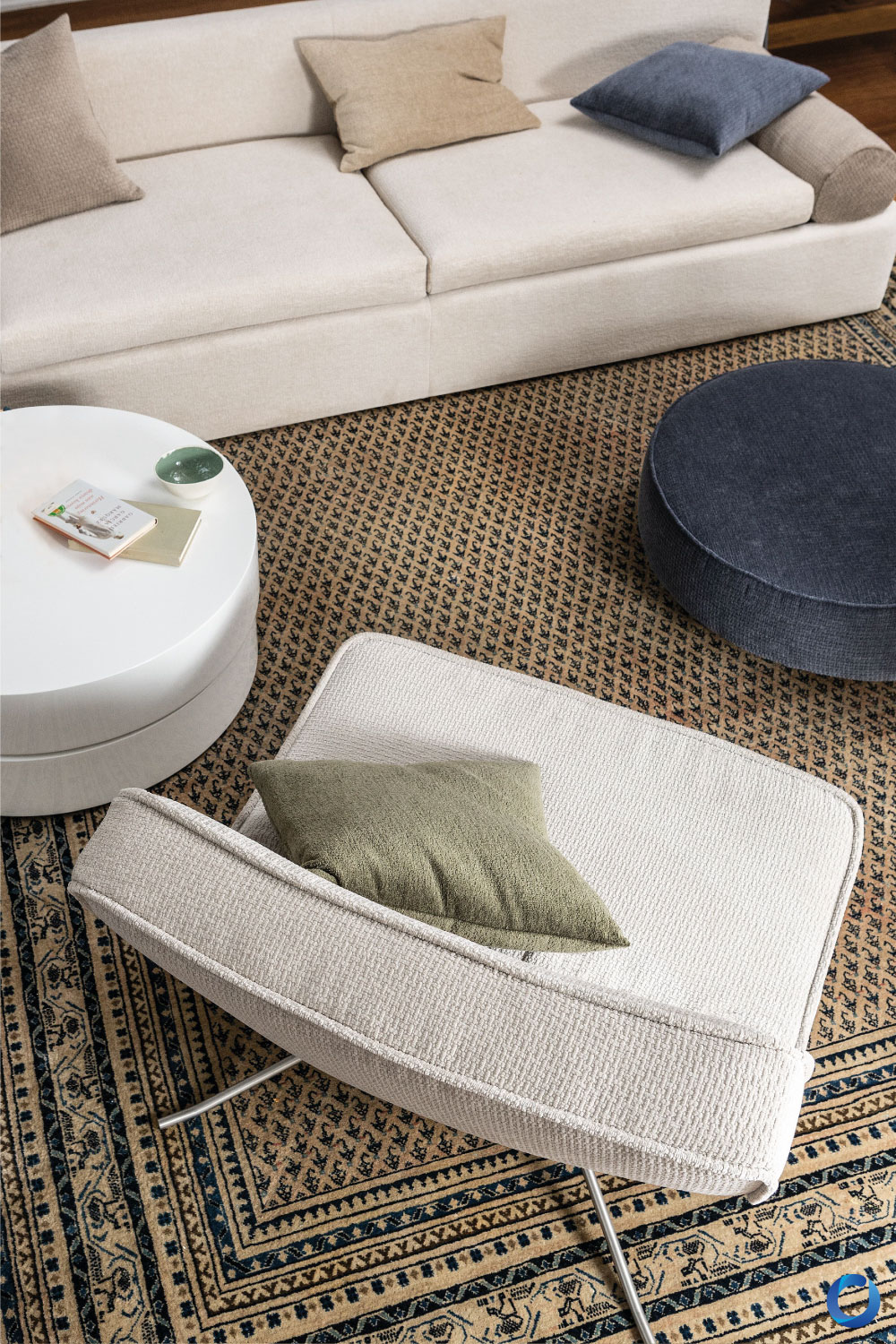
Richwool /Collection
Wool
Another common fabric for sofas and chairs, wool is a highly comfortable material that is also sturdy and durable. It is also commonly mixed with other materials like acrylic to create wool felt. Easy to clean and resistant to pilling and fading, wool is a suitable choice for any heavy-use furniture.
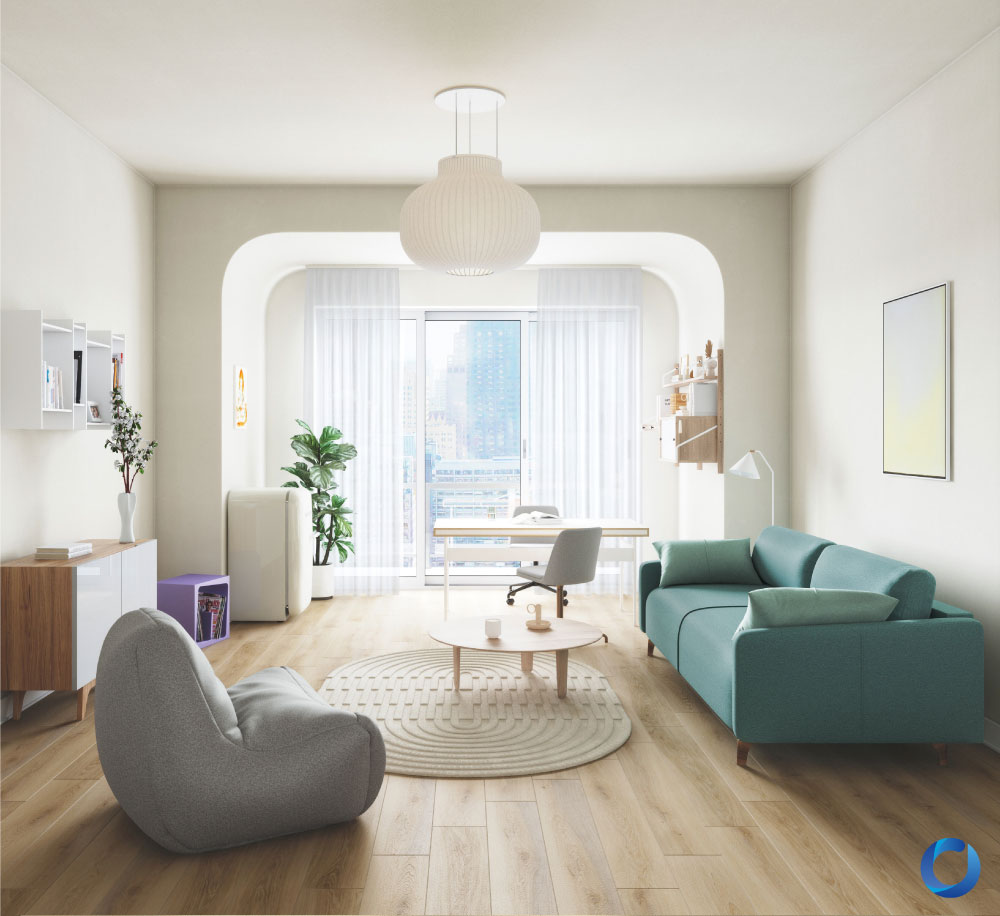
Ambiant / Collection
Silk
A luxurious and delicate fabric, silk gives off a sheen that makes it perfect for statement furniture like an accent chair or headboard. Often mixed with other fibers like cotton, it can be manipulated to form velvet, damask, or even brocade. Keep in mind that silk can stain or fade easily and, therefore, requires much more maintenance. Synthetic alternatives that look similar to silk but are more durable for daily use are rayon and acetate.
As the cost of fabrics can differ greatly, do sufficient research or consult with Acacia’s expert team to ensure you choose the right fabric for your furniture.
Choosing the best upholstery fabrics for your home
Upholstery fabric can be made of various materials, weights, and thread counts, and the requirements will differ based on where and how your furniture will be used. For example, we would use more delicate fabrics for bedroom furniture, while a living room sofa should be covered in heavy-duty fabric made to handle heavy use.
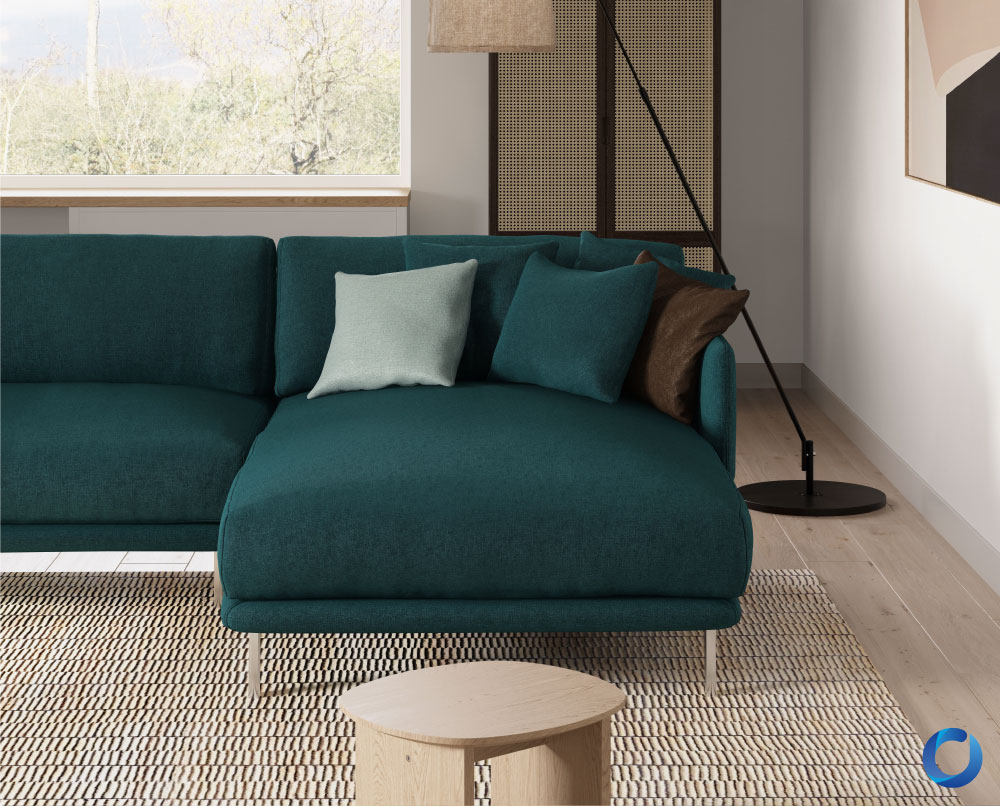
Poker / Collection
1. Checking rub count and durability
When selecting an upholstery fabric, be sure to look out for its Wyzenbeek rating - a test to identify the number of double rubs a fabric can take before it shows visible signs of wear and tear. Also known as the rub count, this rating will indicate the durability of the fabric. Typically, anything under a 9,000 rating is considered light-duty, these materials would be more suited for items like throw pillows or lightly used furniture, while a 30,000 rating is more suitable for sofas and large chairs.
2. Understanding thread count
Thread count is also another indicator in determining the quality and comfort of the fabric. It measures the number of threads in a square inch of fabric. A higher thread count means more individual fibers in an inch, making the fabric smoother, more durable, and less likely to rip.
3. Consider the form of your furniture
The fabric you choose should complement the shape of your furniture. Pieces with many irregular curves tend to look better in solid colors as patterns and certain textures may look distorted when wrapped around intricate shapes.
Take account of the furniture’s size too. A patterned fabric might look stretched or overwhelming if upholstered on a large piece of furniture like a three-seater sofa. Instead, add a pop color or pattern on statement pieces such as wing chairs or throw pillows.
Think about the other furniture in the room as well, especially any other upholstered pieces, as you will want the colors, textures, and patterns to work harmoniously together.
When shopping for your upholstery, try to bring back fabric swatches and drape them over any existing furniture to get a better idea of how it will look and feel over time. If possible, try to get a sizable swatch for patterned fabrics so you can see the full motif and complete color palette. At the Acacia Gallery, we have various swatches ready at-hand so you can get to see and feel the fabrics first-hand.
4. Aging and maintenance
It is also important to consider how the fabric will age. Make sure to check the care instructions to maintain the upholstery. Different fabric compositions will have different cleaning requirements. Think about how much time and effort you are willing to spend on upkeep. Some fabrics may shed over time, which requires regular vacuuming. More sensitive fabrics like leather may fade in rooms exposed to constant sunlight.
Bonus finishing touches
Other than just customizing the upholstery of your furniture, you can also consider adding some trimmings or detailing to make the design look more ornate. Piping or welting in a contrasting color can be used to define the lines and make your piece stand out more. Things like skirting and channeling can add more dimension to your sofa.
Conclusion
If you would like to recreate the same five-star ambiance of the Raffles Hotel at home, Acacia has a broad range of expertise, from supplying fabric to helping you design the furniture of your dreams. With over 22,000 materials to choose from, our dedicated team can customize any piece of furniture to be truly one of a kind.
Article Suggestion :
- 2024 Trends in Curtain Designs: What's New?
- Latest Curtain Designs 2023
- Modern Curtain Design Ideas for Singapore's Sentosa Resort Style
- Acacia Fabrics Brings its Passion as a Fabric Supplier to Singapore
- Singapore’s e-Commerce Scene: Curtain Online Shopping?
- Latest Curtain Design 2024
- What is the Latest Curtain Style in Marina Bay Homes?
- Curtain Trends in Lion City 2024
Looking for quality sofas with creative fabrics and easy maintenance? Find the nearest showroom at acaciasofa.co
If you are searching for the perfect curtain to express your personality at home, find our nearest boutiques at acaciacurtain.co