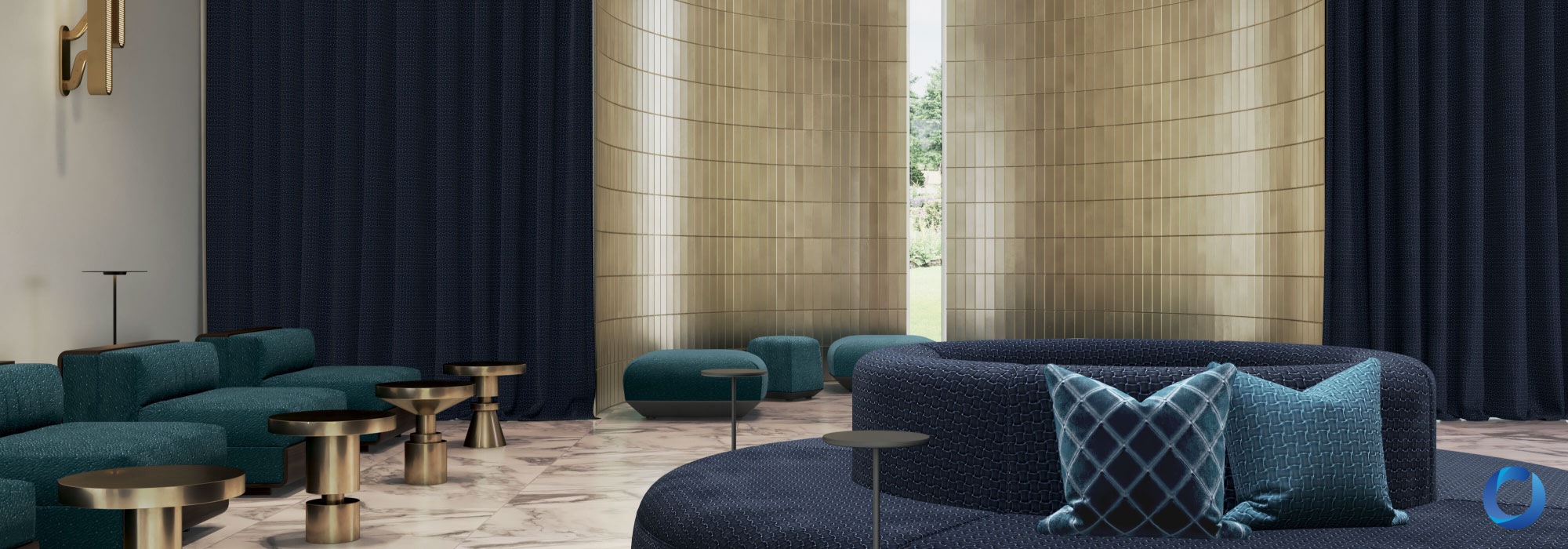
The Role of European Fabrics for Curtains
February 14, 2025
by Sheryll
Curtains and Global Competition
The global market for fabrics and textiles have never been as competitive as they are today. The fixation of fabrics does not come easily to people, and has always been posed as a commercialised good of the past, a kind of attitude more befitting of ancient merchants and wealthy patrons. Regardless of time, one thing remains true: fabrics can still be considered as a form of luxury, even if it is by the basis that there is a division in those who have the time and welfare to actively engage in the knowledge of fabric for art and leisure, and those who simply appreciate the pragmatic existence of fabrics in their daily lives. But as far as anyone is concerned, beauty exists in the eye of the beholder.
While I had shallowly written down the history of European curtains in regards to their prominence culturally, particularly drilling in the lecture on how curtains transitioned with different time periods, it does not even come close to covering the depths and importance of European fabrics. From the early influences of the Byzantine empire, the boom of the Renaissance, Rococo, and even the Victorian era, the discussion generally revolved around the cultural evolution of curtains, and much less emphasis on the flow of fabrics despite ‘fabrics’ themselves being an integral mention in the history of European curtains previously. This has allowed a gap in the knowledge, a depression in which curtains, the subject, are underlined by their vain significance.
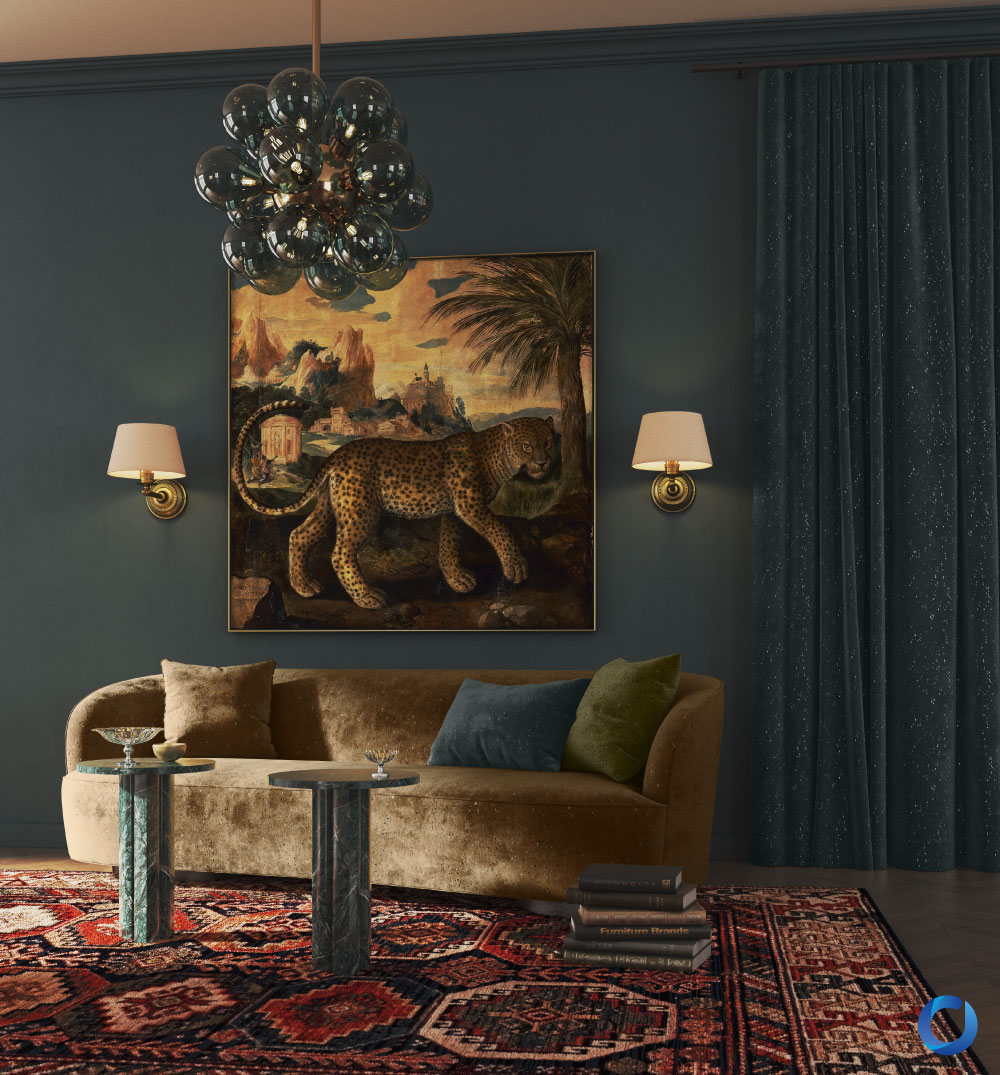
Starbooster / Collection
It is well-known that in the past, European regions had gathered much wealth to partake in the trades of the Silk Road, and fabrics like silk and cotton were one of the valuables traded, among items such as furs and spices. Domestically, fabrics contributed to the circulation of the English economy during the emergence of fashion and art consciousness during the Middle Ages, influenced by socio-political shifts. Cotton became one of the materials that were increasingly sought after in these stylistic periods to fulfill various roles aside from just curtains and furniture. These days, though, European fabrics, as well as most fabric producers globally, have only grown in their diversity beyond organically sourced materials, rich dyes, and embroidery, most of which are worthwhile looking into, especially those which are as acclaimed as the brands rounded from Europe. And as the modern age has introduced so many contenders, what kind of role do European Fabrics exactly play in the desirability for curtains?
Feel the fabrics at our beautiful showrooms
Contact us for the location of the nearest Acacia Fabrics dealer

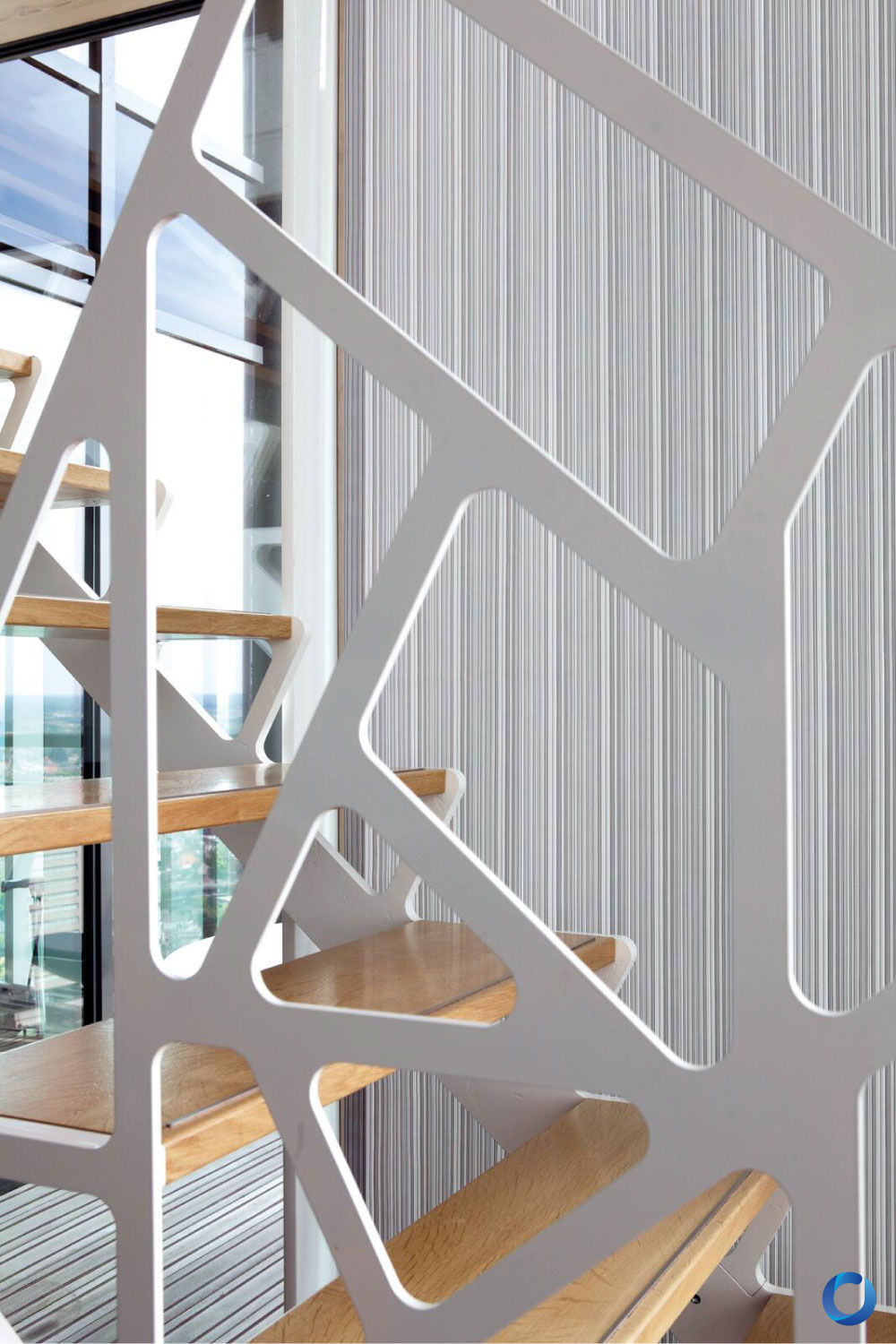
Dim Out Desire / Collection
European Fabrics: The Importance of Being Comprehensive
There are a few core features of curtains that are often explicitly marketed, some of which you will be more well-acquainted with the more you browse through them online. Even with a casual look, blackout capability, weight, colours, and the convenience of its installation are the few of these features to name. Of course, while different demographics would have their own requirements in the standard of curtains they buy, I will strive to elucidate how European Fabrics for curtains are then quite comprehensive in their safeguards and features, and how quality is engineered - by having everything you would possibly need stated in clear-cut reports.
Safeguards and Features
There are a lot of features that can be found and analysed under fabrics, but they can be sorted by importance, and listed here to cover a few:
1. Stain-resistance
2. Fire retardation
3. Antimicrobial growth
4. Black-out capability
Under the Fabric Library, a vast collection of European fabrics can be found, ranging from upholstery, bed covering, accessories, and most importantly, drapery.
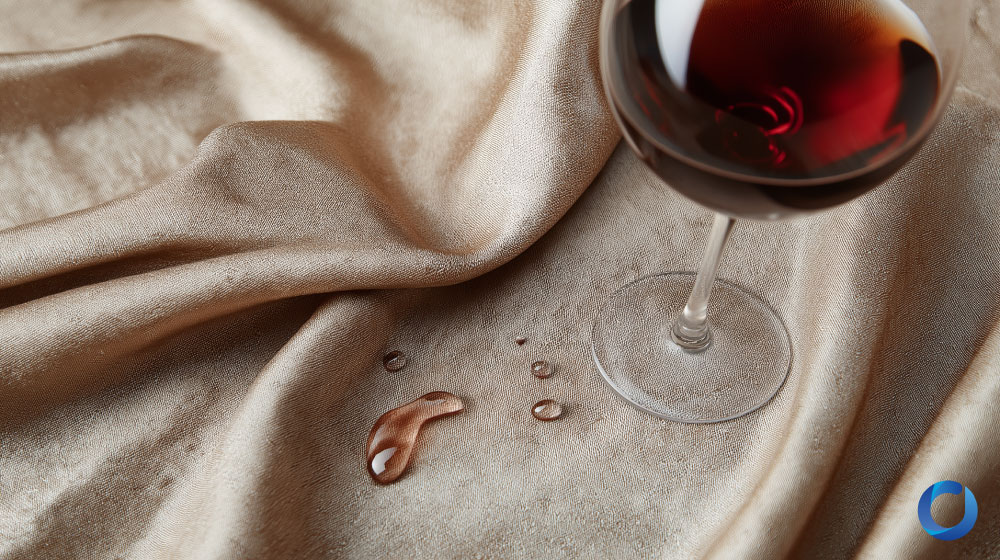
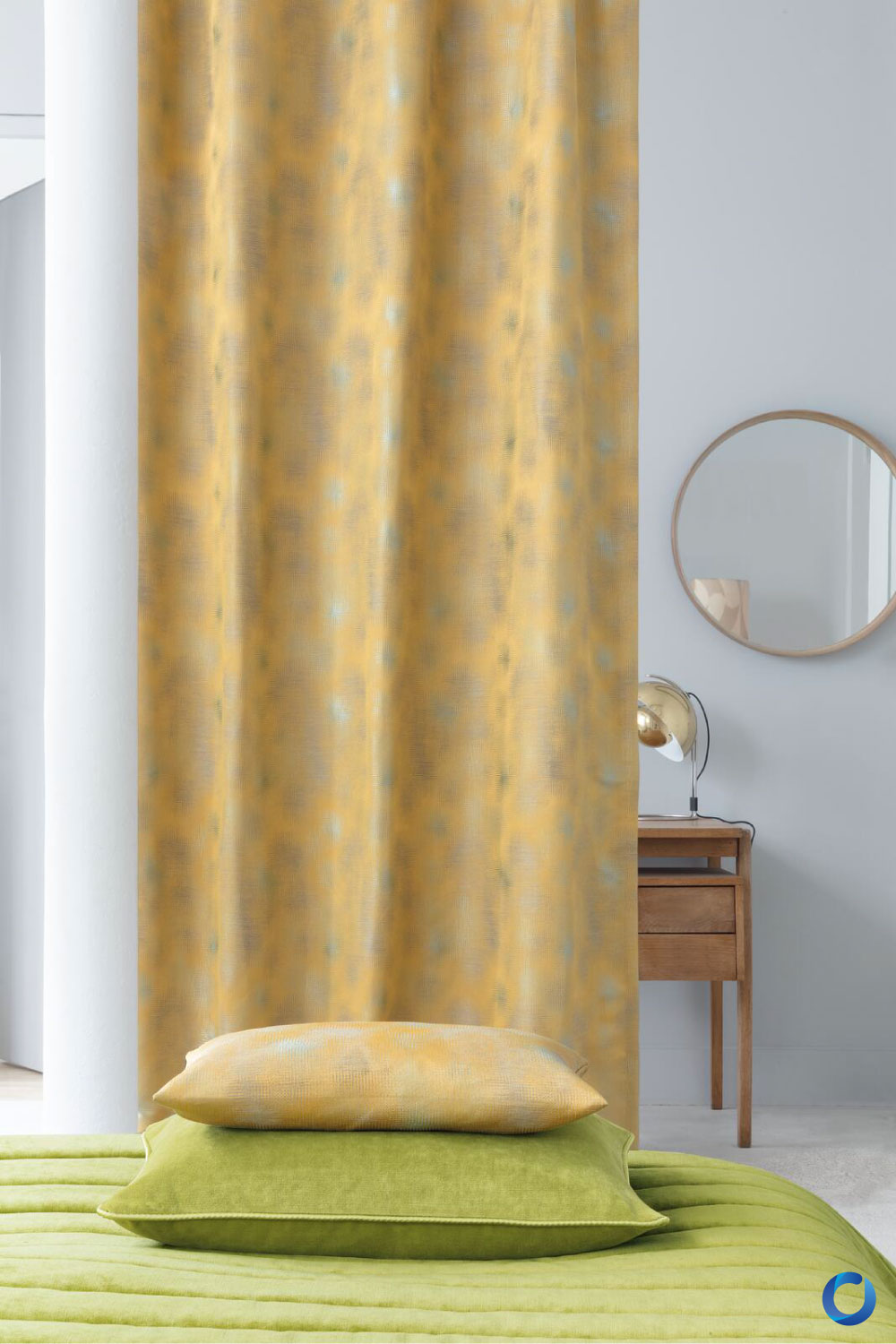
Jubilea / Collection
As the library works in tandem with the FibreGuard brand, the most popular feature with FibreGuard fabrics are their stain-resistance, boasting an effective, mess-free means of resolving spillage accidents. This includes coffee, wine, yogurt, crayons, and even the more unlikely scenarios of ink, a paragon of thoughtfulness that does not undermine the stress that accompanies households with children. While stain-resistant curtains are not as common a notion as stain-resistant couches, they would still serve as precaution against the hypotheticals, and are all meant to be treated or cleaned with less burden compared to ordinary fabrics. Furthermore, while it is understood that there has always been some incredible technology incorporated in the formation of a fabric that is stain-resistant, the process involved may initially seem nondescript, but research reveals that this effect on the specified fabrics are ‘permanent’ to the article as a whole, due to the hydrophobic layer directly coated on the yarn not only preventing spillage from penetrating into the fabric, but also serves to keep solid stains on the surface of the cloth, where the “mess-free” perk comes to play.
Speaking of resistance, FibreGuard’s fabrics also uniquely withstand the trials of multiple wash cycles, so this sort of beneficial effect does not simply expire or deteriorate after being subjected to cleaning, which is one way of stamping ‘quality assured’ onto your curtains. Most of the stain-resistant fabrics displayed in the Fabric Library gallery, such as the Velvelux collection, also have a very high Martindale rub-count. A Martindale rub, for those unaware, is a process whereby fabrics manufactured are subjected to a durability test, essentially meaning the higher the rub count, the more durable the cloth is. On average, fabrics would have a rub-count of 10,000 - 20,000, but those from Velvelux alone have a rub-count of 100,000, which is a major leap in durability and general resistance when compared to others. These fabrics are built for lasting, and with the shimmering coat on this would-be drapery, this is just one look at how the pragmatic and elegant can be combined.
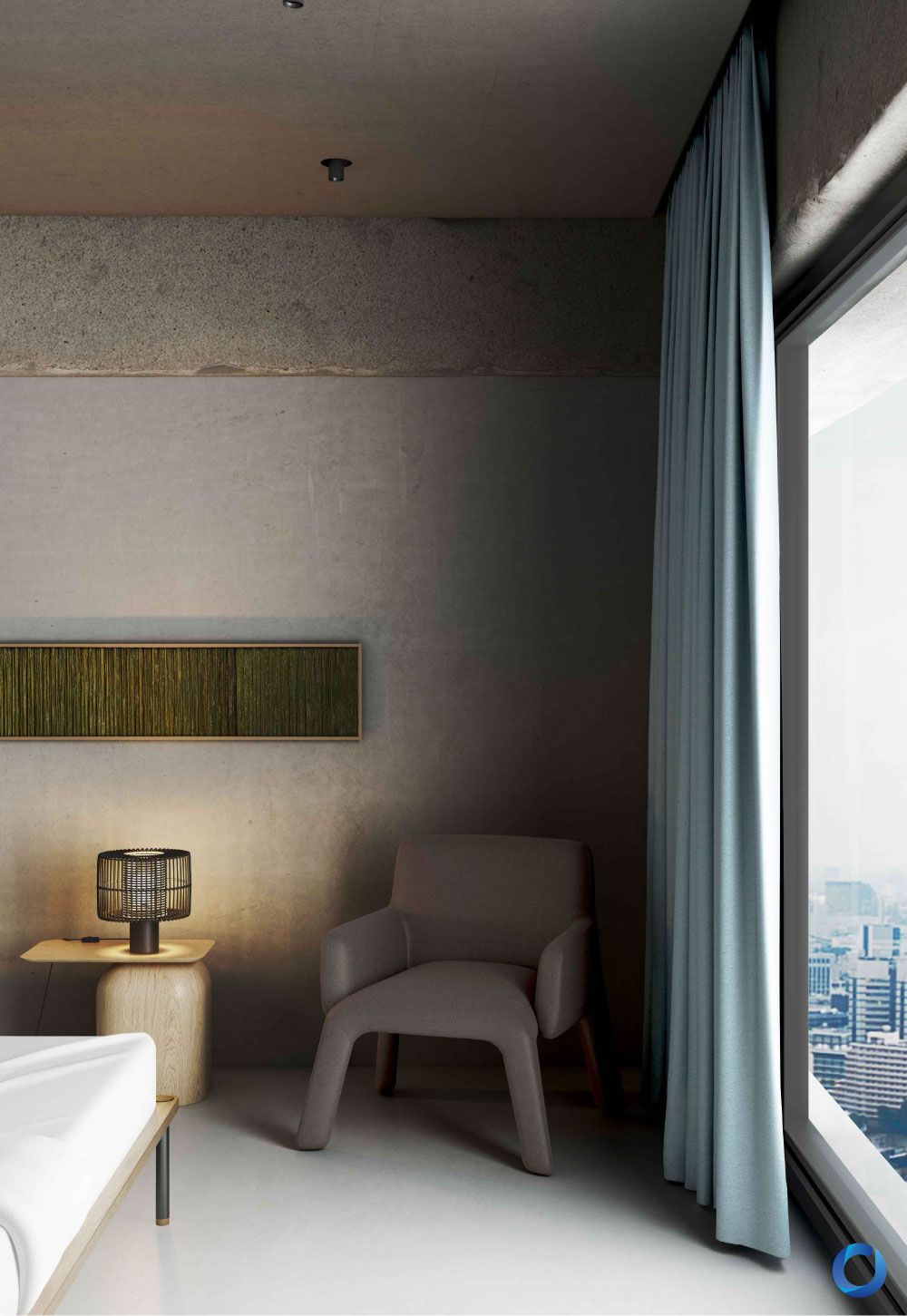
Solunar / Collection
In this vein, a feature that is more common for curtains is the fire retardant (FR) property, which is treated as an essential safeguard among producers of European fabrics alike for curtains. Curtains, with their long and exposed forms, have always been vulnerable to catching fire in the past, resulting in unexpected accidents from a single stray candle. And while fire retardant textiles are not a recent discovery, the new-day coverage of fire retardant standards have been significantly improved on, and this is reflected with most European fabrics by the stringent amount of regulations and testing that they undergo.
Through browsing, it seems that all of the fabrics featured in the database have all undergone some form of heat endurance test, but it is worth noting that the key difference is that FR-specified fabrics have been put through more of these regulations compared to non FR-specified ones. To simply pick a provided sample, the library’s Sensational collection has been vigorously subjected to a long list of standard adherence and codes, with NFPA 701 certification, NF P 92-504 507, and EN 13773 to name a handful, but covers such a broad range of flammable scenarios that even tolerance to motor vehicle combustibles are taken into account. Interestingly, this coincides with such fabrics being thermofixed, which grants the textile higher resistance and dimensional stability.
Following this, developments of curtain fabrics with antimicrobial growth have also increased in exigency - while we associate the presence of curtains with their place in our homes, curtains made with fabric stalling microbial growth are advantageous to one additional setting: hospitals. Bacteria accumulates everywhere, and with growing concerns of curtains becoming fomites that would affect the ongoing health of in-patient treatment, antimicrobial textiles have largely entered the lens for scrutiny in the European market. FibreGuard fabrics are no exception to this, and abides by ASTM E2149 standard testing of antimicrobial activity and ISO 20743 8.2, which determines the antibacterial activity of all included textiles, and impressively, these products have ultimately surpassed the average expected threshold of effectiveness in bacterial reduction.
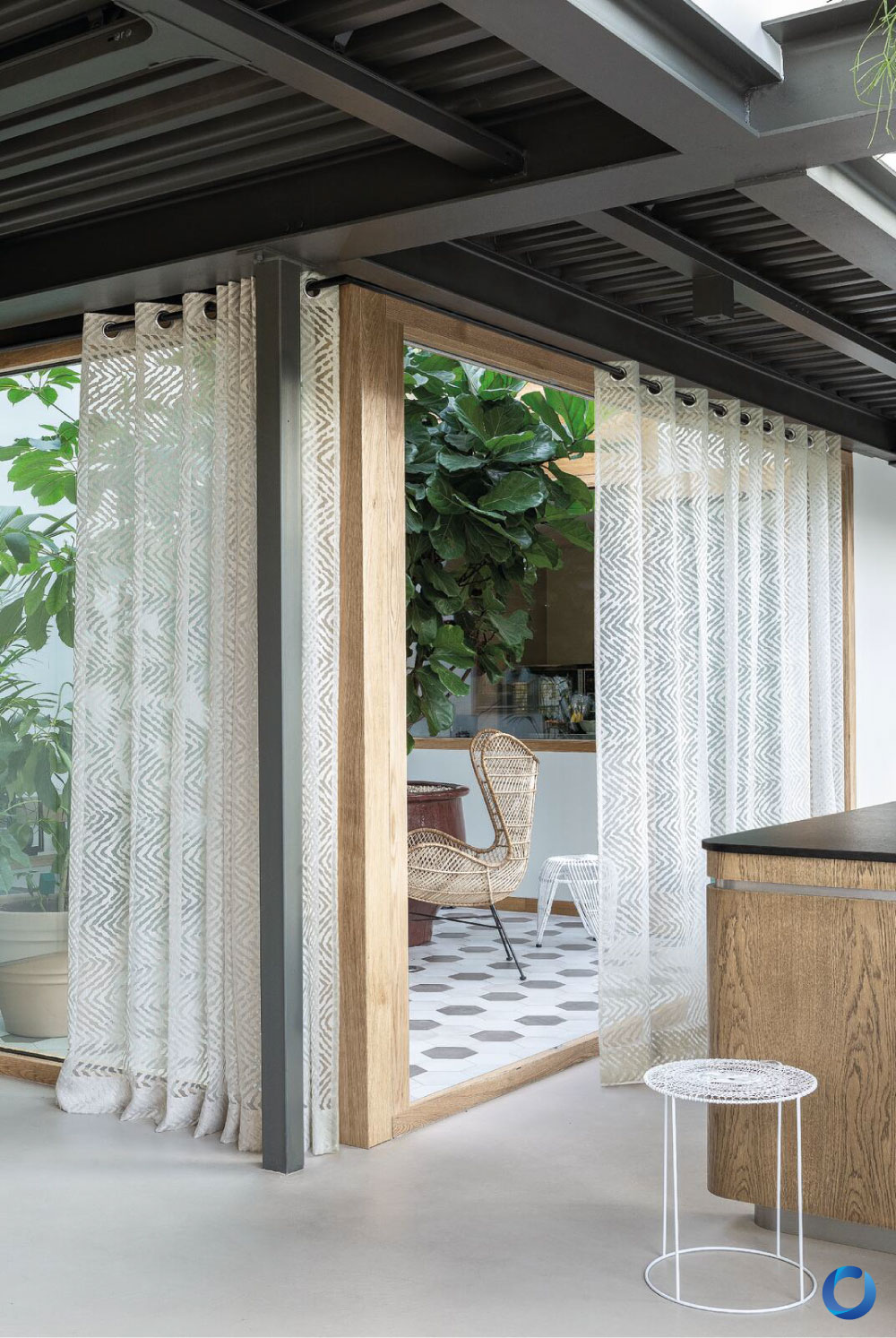
Grandland / Collection
This is also additionally helpful if you are looking to install curtains near an outdoor space for a certain aesthetic, as not only are select FibreGuard fabrics resistant to soil stains, but grants a peace of mind to keeping the curtains clean even when they are exposed to the elements.
And finally, onto blackout capability. As mentioned before, one feature that is desirable as well and often advertised are blackout curtains, which are plenty helpful during long summers and even generally tropical spots around the world. The eponymous Darkness collection featured from the Fabric Library this time around is an example of what our curtains have to offer, made partially with both recycled polyester and polyacrylic, with pragmatic beauty once again spotlighted as they come in various shades outside of the traditional black palette alone, which shows confidence in the curtain’s overall intended purpose and design.
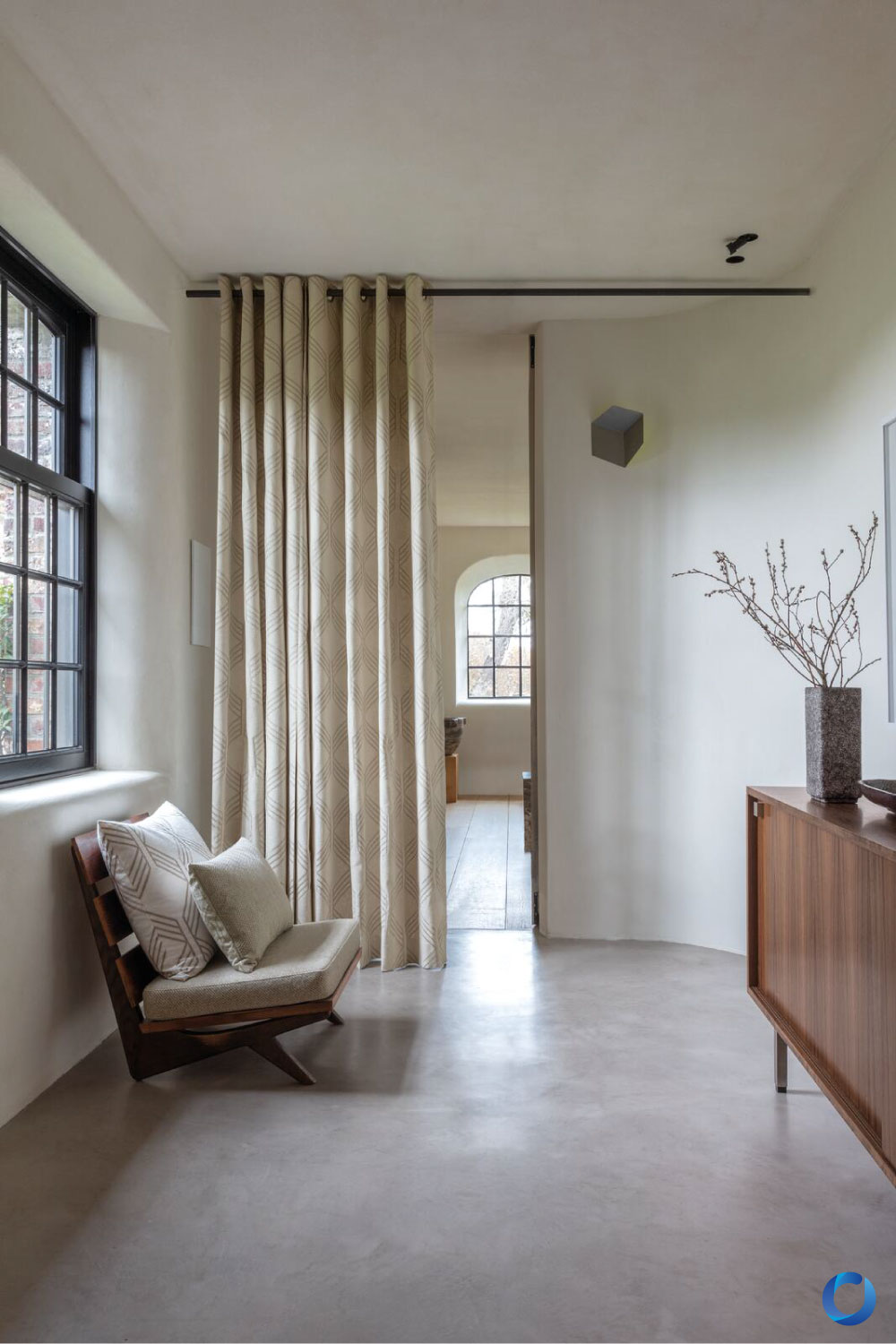
Milltown / Collection
Materials and Sustainability:
Aside from being committed to the promises of their sustainability statement, FibreGuard also combines quality with a hand in helping the green earth. Not only do they guarantee that their fabrics are non-toxic for the consideration of kids and house pets, with this reflected in how stain-resistant fabrics are made, it is also notable that all of their fabrics are explicitly devoid of what is deemed as “forever chemicals”, notably the notorious perfluorinated and polyfluorinated alkyl substances (PFAS/PFCs), which are a staple in other products thanks to their increased resistance to grease and heat, but are appropriately termed as it takes a very long time for them to break down in the environment, including their period of circulation within the human body. As such, European fabrics are legitimate in their dedication to higher standards of delivering safe, high-performing curtains to the windows of your own home, and this is to ensure the products are up to date with the regulations of the European Union, such as the mandatory REACH compliance, where hazardous substances are prohibited in this line of manufacturing.
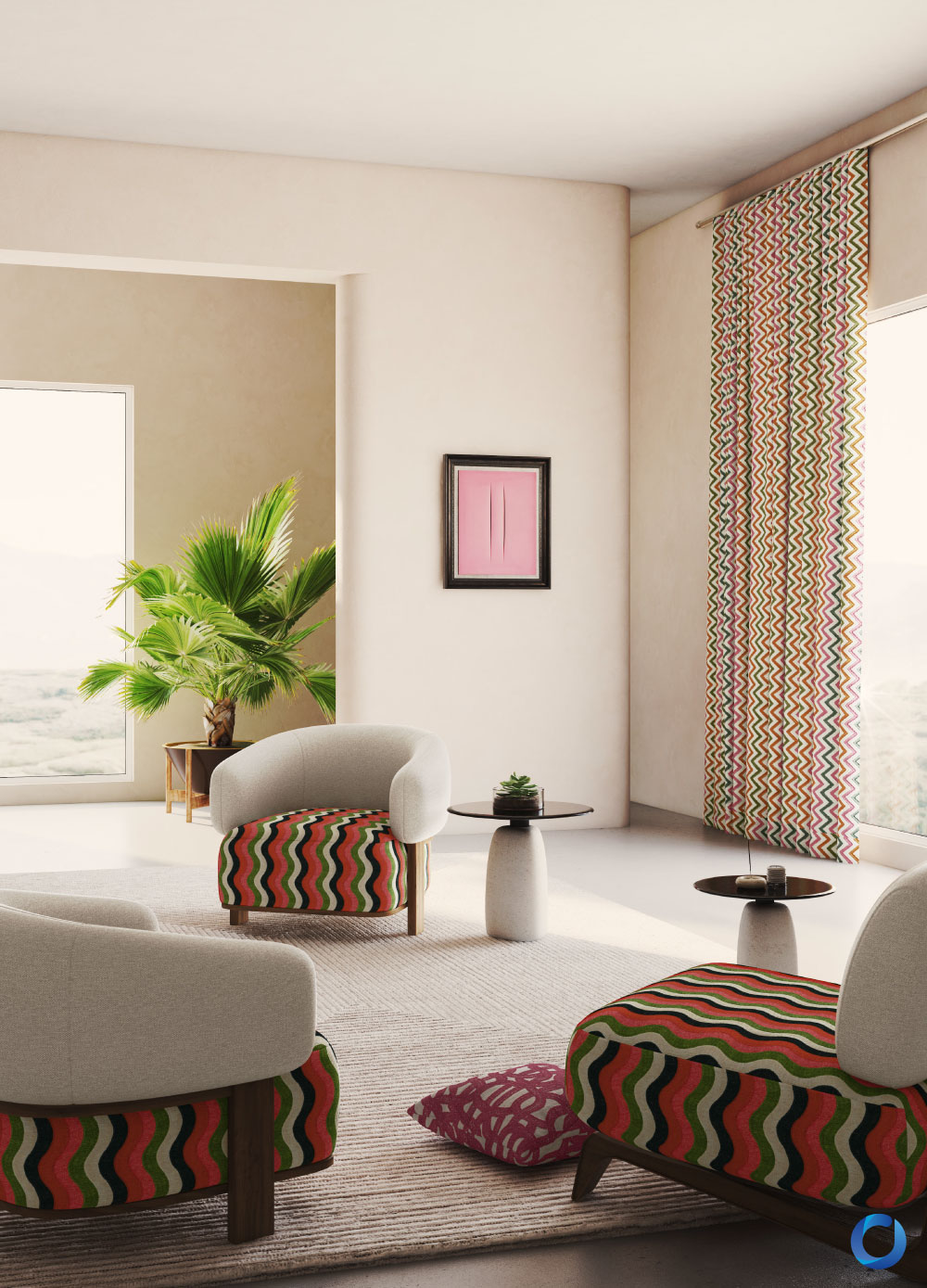
Riverside / Collection
Moreover, using FibreGuard as a prime example, these fabrics are often frank with fulfilling several standards. These comprise of ISO 14001 under Environmental Management adherence, an internationally recognised standard for companies to refer to the provided structure and organise their manufacturing activity in alignment with environmental conservation and reduced operational effects in the surroundings. There is also Organic Content Standard (OCS), where non-food items such as textiles are granted this label for being composed of more than 90% or wholly organic material. Speaking of materials, European fabrics are thus typically produced from a variety of both organic and synthetic materials that are considerably sustainable: cotton, recycled polyester, polyester, polypropylene, polyurethane, linen, and hemp, with the occasion of utilising a mix of them as seen with the Riverside collection, starring powerfully colourful patterns to match its equally diverse composition for your drapery. While it is important to note that it is challenging to oversee the entire manufacturing process, we are always looking for ways to drastically improve maintaining these standards, strengthening the ethical and environmentally conscious attitude towards the manufacturing process.
Feel the fabrics at our beautiful showrooms
Contact us for the location of the nearest Acacia Fabrics dealer
Summary
So, to answer the question of the role European fabrics play for curtains, a straightforward conclusion that can be arrived at is this: they are high-quality, durable, safe, comfortable, and have been subjected through various testing to keep you and your family homely, as well as lending a hand towards the maintenance of the environment, in all kinds of diverse ways imaginable in both living and practical aspects. Only more and more features are being innovated and developed specifically for curtains of the modern age, so feel free to stop by FibreGuard and the featured displays from our fabric library today to take a peek at what coutures to your liking.
Reference links:
FibreGuard. (2021, October 8). The Structure Of Stain Free Technology: Engineered By Textile Scientists.
McQueen & Ehnes. (2018). Antimicrobial Textiles and Infection Prevention: Clothing and the Inanimate Environment.
Article Suggestion :
- Latest Curtain Designs 2023 | Langsir Moden Terkini 2023
- Latest Curtain Design 2024
- Modern Curtain Designs for Contemporary Homes
- Latest European Curtain Trends for Modern Homes
- 2024 Trends in Curtain Designs: What's New?
- Modern European Curtain Trends for 2025
- European Contemporary Curtain Designs 2024
Looking for quality sofas with creative fabrics and easy maintenance? Find the nearest showroom at acaciasofa.co
If you are searching for the perfect curtain to express your personality at home, find our nearest boutiques at acaciacurtain.co