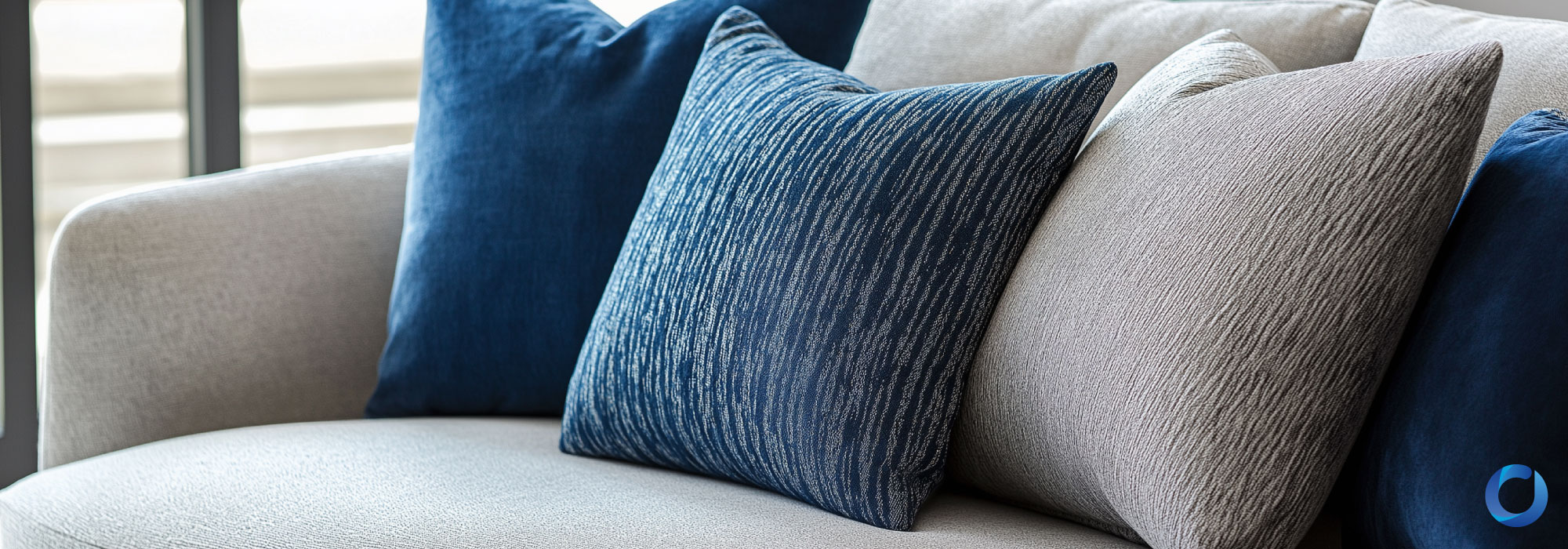
Premium European Upholstery Fabrics: Durability and Style Guide
February 19, 2025
by Sheryll Low
Upholstery, A Fresh Layer For Furniture
With the introduction of globalised commerce for textiles, the trade of fabrics has never been more accessible, engendering new waves of customisable comfort living that are accompanied by new, exciting trends to inspire the style and tastes of modern residents. From the doorstep to the bedroom, most common furniture can be decorated or breathed new life into with tact and the right fabric, and no technique is as flexible as the act of upholstering them.
Upholstery is relevant to today’s chapter of fabrics and refurbishing, and it is generously explained as the act of stuffing, padding or soft covering of seats, which curiously includes the sandwiching of springs between them, as well as referring to the labour behind cushioning in general. If you are familiar with upholstery as part of magazines featuring interior design pieces and as a recurring word buzzing around the textile sphere, you may have noticed that it has gained considerable traction as more and more individuals are interested in the hands-on approach of overhauling their furniture. This growing interest has incentivised more fabric production, and various lifestyle resources can be consulted to become more acquainted with the subject. However, with that being said, to speak of upholstery in these hypotheticals despite its initial definition may still be vague and confusing as to what the process actually ‘looks’ like, and perhaps it is then appropriate to briefly discuss the history behind it, which would provide a more pragmatic and culturally significant perspective as to why and how upholstery has been utilised in the past and remains as an art form even now.
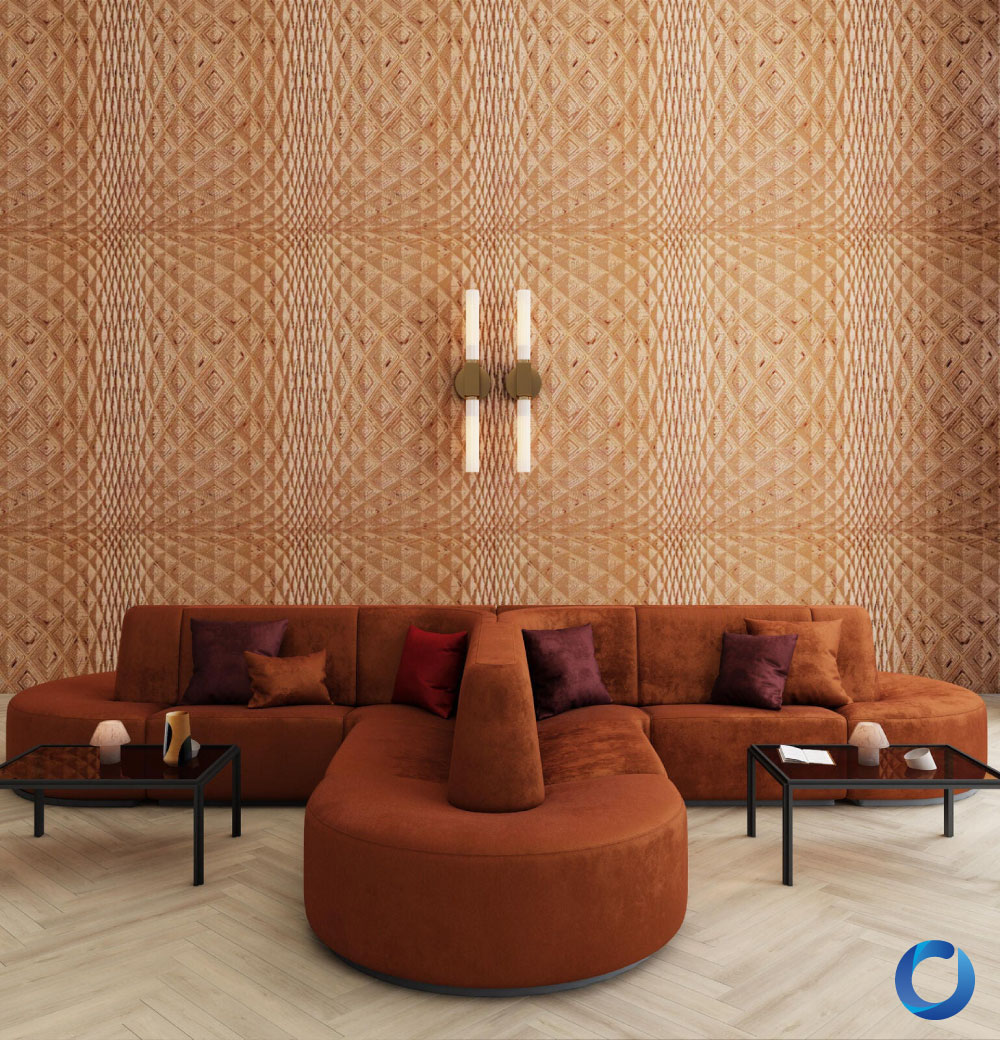
Velvelux / Collection
Similar to other fabrics and their associated craftsmanship, upholstery has had a vivid mark in textile history, but their presence have been recorded notably between the 17th to 19th century, where select artisans in the early era would commonly resort to using miscellaneous materials consisting of horsehair, grass, or wool alike for the stuffing, and much like other subjects in the evolution of textile history, advanced application of newer things, like foam. Essentially, upholstery isn’t separate from furniture per se, but tied to the formulation of comfort. When you sit in a chair that has good, elevated padding in the place of an originally flat seat merging with the rest of its structure, that is indeed a piece of furniture that has been upholstered - the firm plush of modern car seats being an example. Interestingly, the consciousness of furniture fabrics in this regard has often been somewhat lacklustre.
Feel the fabrics at our beautiful showrooms
Contact us for the location of the nearest Acacia Fabrics dealer

Not that it was necessary, as some academic articles even suggest that people back then outright critiqued the need for fancy upholstering in sitting furnitures among everymen, which just goes to show what a long way privilege and accessibility has come, and where others had to meticulously regather information and records on upholstery in the past. More importantly, though upholstery was popularised for comfort and decor, it is also crucial to the preservation of historical furnishings: an example of this was raised in the journal, Luxury by Allen et al. (2017), whereby sagging, outdated French furniture from the Rococo period were re-upholstered to contextualise the elegant, floaty pieces accurate to their time (“gallery narratives”), a feat that enlightens the passion involved in its overall process.
As such, upholstery is an enjoyable and refreshing take in modern homes that one can always look forward to, but where would one start? Here, all you need to know about upholstery fabrics tailored for cozy homes will be entailed, so stick around to see how extensive the industry is today, and how you can partake in upholstering projects as well.
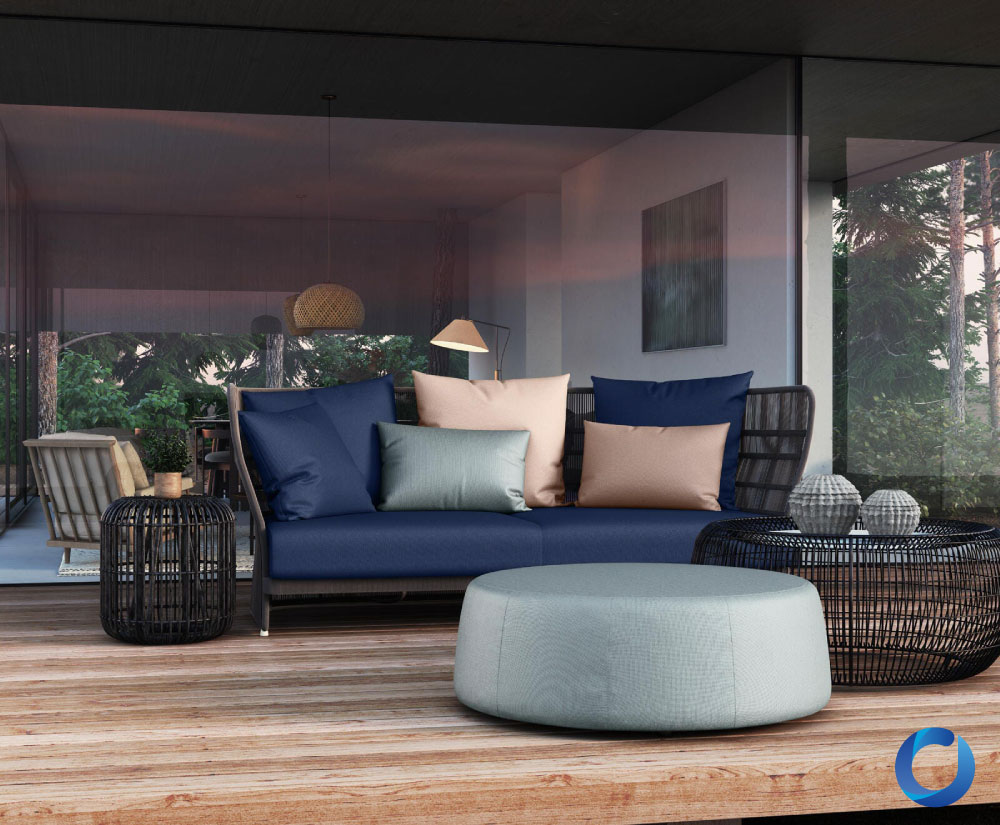
Sit Out / Collection
A Quick Guide to Durability and Style
Upholstery can be done for most sitting furniture: daybeds, couches, sofas, chairs, recliners; and also happen to be the best fit for them. Speaking of suitability, FibreGuard, which has always pushed for the “perfect fit” in their fabrics, is perhaps the most commendable, unwavering in their long-term dedication to European fabrics, especially upholstery fabrics, thanks to the craft of multi-purpose textiles. Two factors to take into consideration before and during the selection of upholstery fabrics are their durability and style. One should not have to always sacrifice beauty for practicality, and upholstery deserves to be fun for everyone.
Durability is best determined by the design choices invested into the fabric, and it is optimal to engage in fabrics that have been conscientiously made. As usual, these can be divided into a few standard categories that defines whether a piece of fabric is enduring, namely being stain-free, tough, and fire retardant.
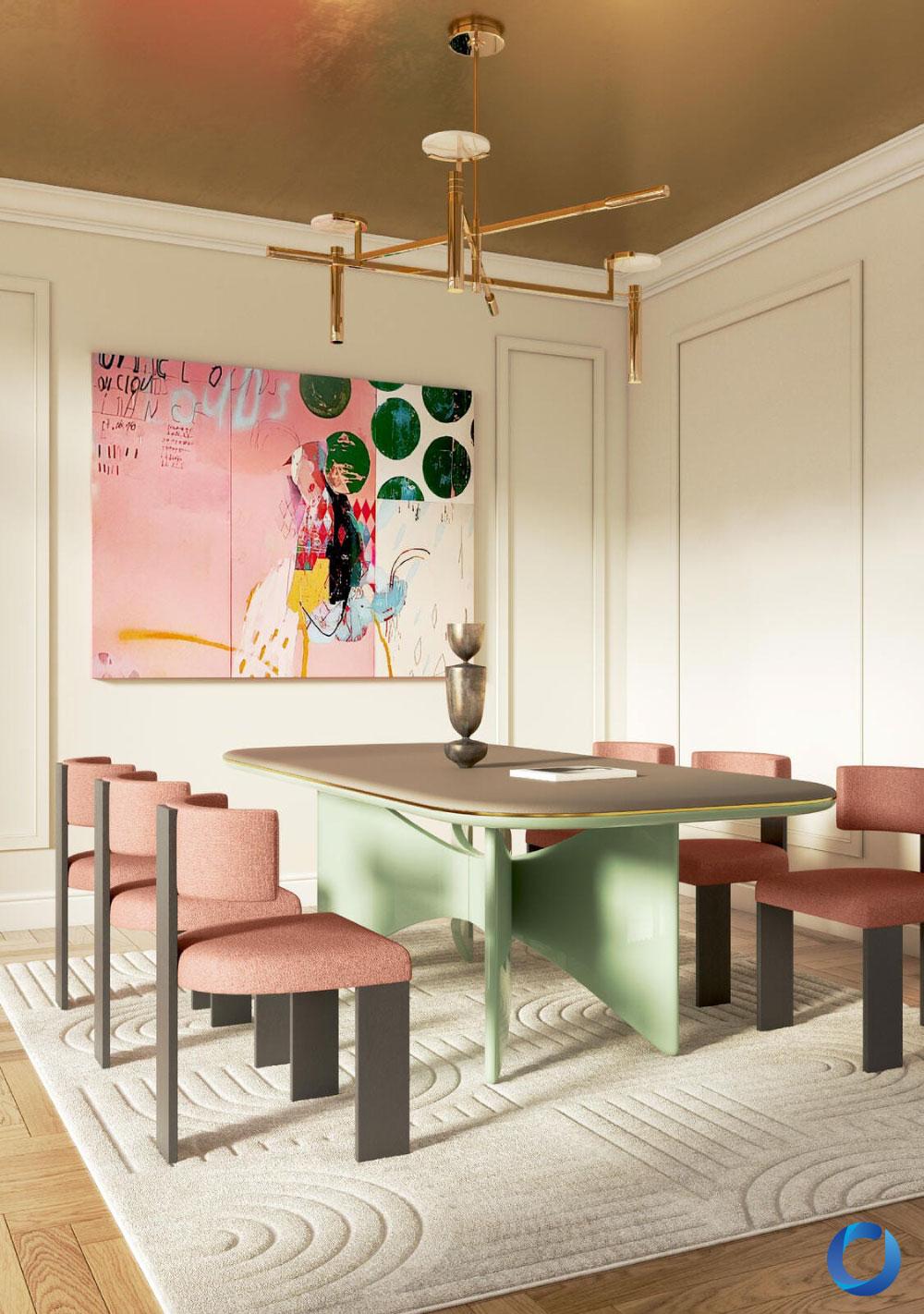
Plush / Collection
Stain-free Technology for Upholstery Fabrics
Stain-free technology may be the most well-known aspect of FibreGuard products, and certainly not without good reason: these fabrics were created with both child-occupied families and child-free families in mind, and this is evident by the wide range of messes that this feat covers. From the more obvious wine and coffee stains to the more unfortunate niches such as lipstick smears and crayon, the secret behind the elusive technology of saving your seats is that the solution prevents liquid from fully penetrating into the cloth, and keeps solid stains atop the surface. Furthermore, what is truly impressive is that the slightly hydrophobic solution is coated directly onto the yarn of the fabric, ensuring that you can always rely on this safety net even after subjecting the covers to the wash cycles. The Colourwash collection featured in the Fabric Library is one example of the diverse stain-free technology fabric assemblage the library has to offer.
Stain-free also goes beyond mess-free cleaning for spillage incidents, expanding opportunities for where you can upholster your furniture. If you have ever romanticised lounging out on the veranda in a fancy of sunsets and relaxation, you no longer have to worry about getting the cloth dirty when exposed to the elements, as FibreGuard also presents “outdoor fabrics”, of which are both soil and stain repellent. No longer do you have to overexert yourself over the stress of a permanent blemish on the chairs outside, not when they are a gentle spray bottle away from returning to its initially pristine state. You can always feel free to check out the Fabric Library’s striking All Out collection today if this piques your interest.
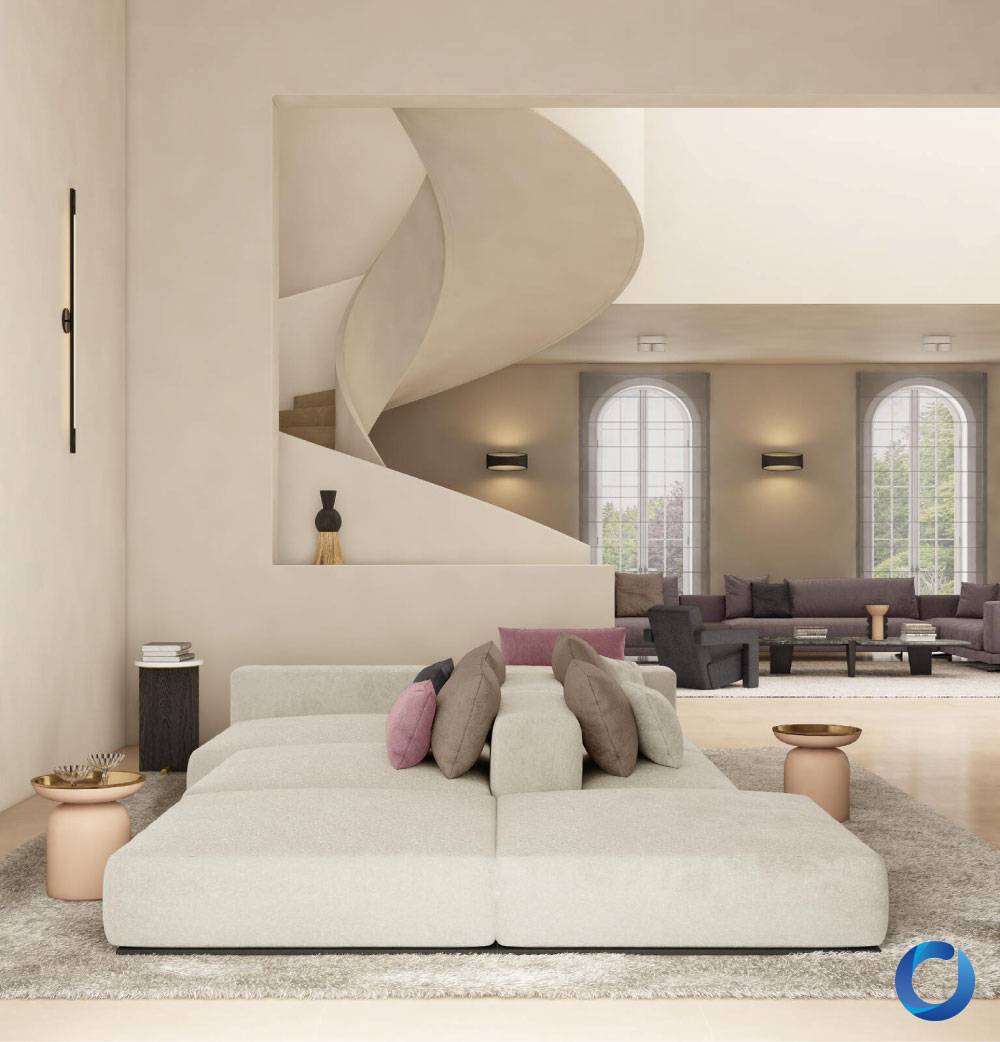
Brigadier / Collection
Fabric Toughness - Mechanical Performances
On this tangent, the supreme feature of our fabrics is that they are imbued with Fabric DNA, a principle that guarantees that the fabric quality, whatever special durability and safeguards they may be made with, remain consistent across all textiles. The antiquated appearance of couches and sofas can be apparent in longitudinal observation, whether they have succumbed to stains or common abrasion, spoiling the look and isolated in its expired display compared to the surrounding furnishings in the rest of the house. As such, the more traditional and classic way to grasp the sense of durability for an upholstery fabric is by running them through the standardised Martindale rub test, where the textile is subjected to the machines’ examination of wear-and-tear endurance to see how many rubs it takes before these signs show up on the fabric.
The ones for upholstery are no exception, and are incredibly important as, unlike curtains, tend to experience more strain due to obviously being used for sitting in the long-run, accumulating a frictional toll, however minuscule, even just on a daily basis. You can thus gauge how lasting your upholstery fabric of choice is based on their “rub count”. The average upholstery fabric has a rub count of approximately 15,000 to 30,000, and premium fabrics from our collections can start from 18,000 up to those with heavy-duty 100,000 rub counts. Of course, while the latter end can seem quite extreme for upholstery meant for home-use, there are always a variety of fabrics in the library with a rub count more than the minimum, but always just enough to last you a long time.
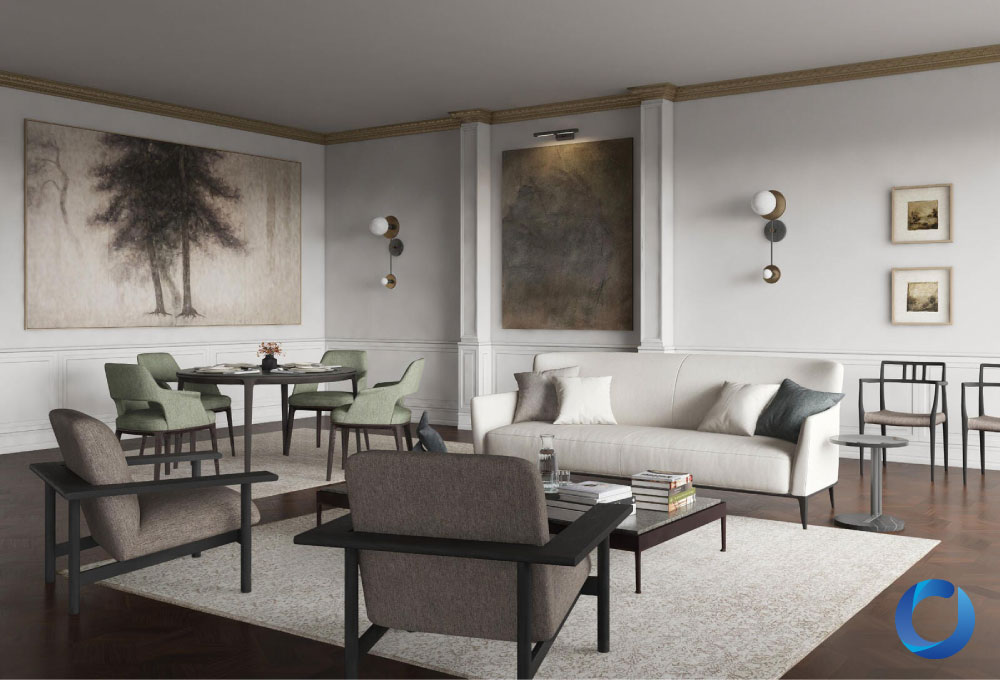
Dodge / Collection
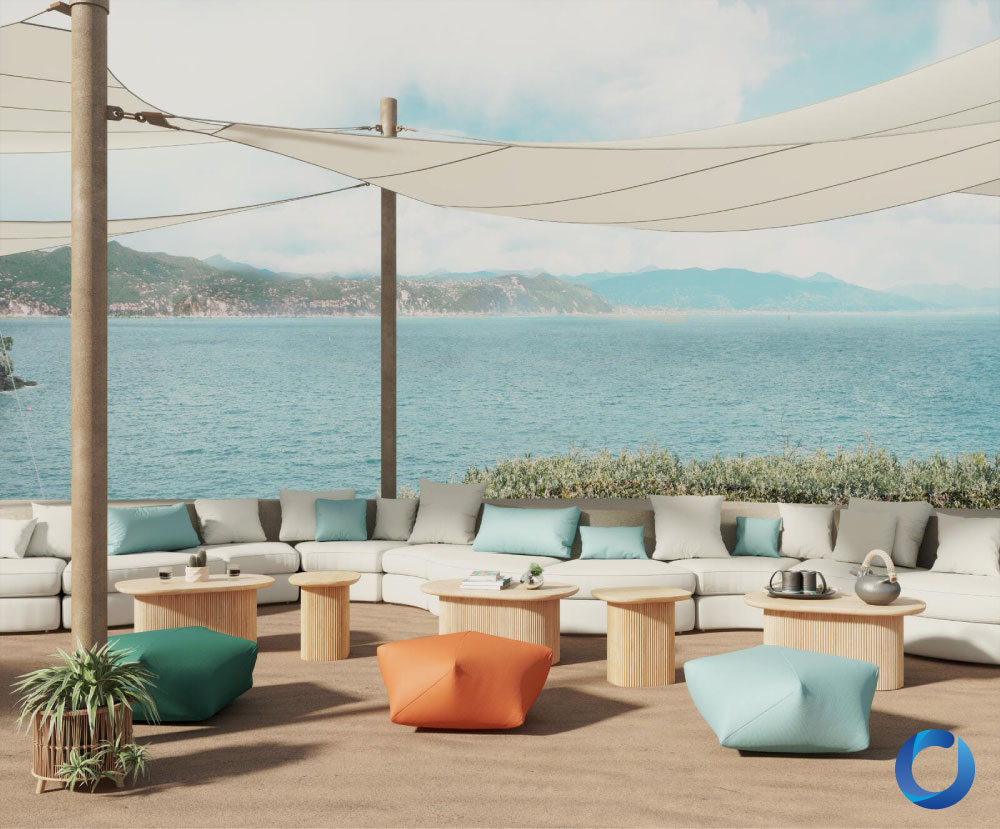
Chill Out / Collection
Heat Resistance
While fire retardant fabrics are a popularised feature now more than ever due to textile regulations both in accordance to European and transnational codes, they are regardless an appreciated quality, a new standard to raise awareness of the passionate innovation that has gone into improving the textile industry. After all, durability does extend to the fabric’s ability to withstand heat to some degree, and though fire retardant fabrics might not be fireproof, which is a different story altogether, they are still an invaluable feature to slowing fires from consuming and spreading in the case of accidents.
Thankfully, FibreGuard fabrics have undergone highly extensive evaluation of fire retardant criteria, as seen in the Moon collection, ranging from controlled flame spread to withstanding burning, all with stamps of approval from countries throughout Western Europe. Although not all of your upholstered furnishings may require fire retardant protection, they certainly help to mitigate concerns of fire hazards underlined in the handbook of one’s home safety.
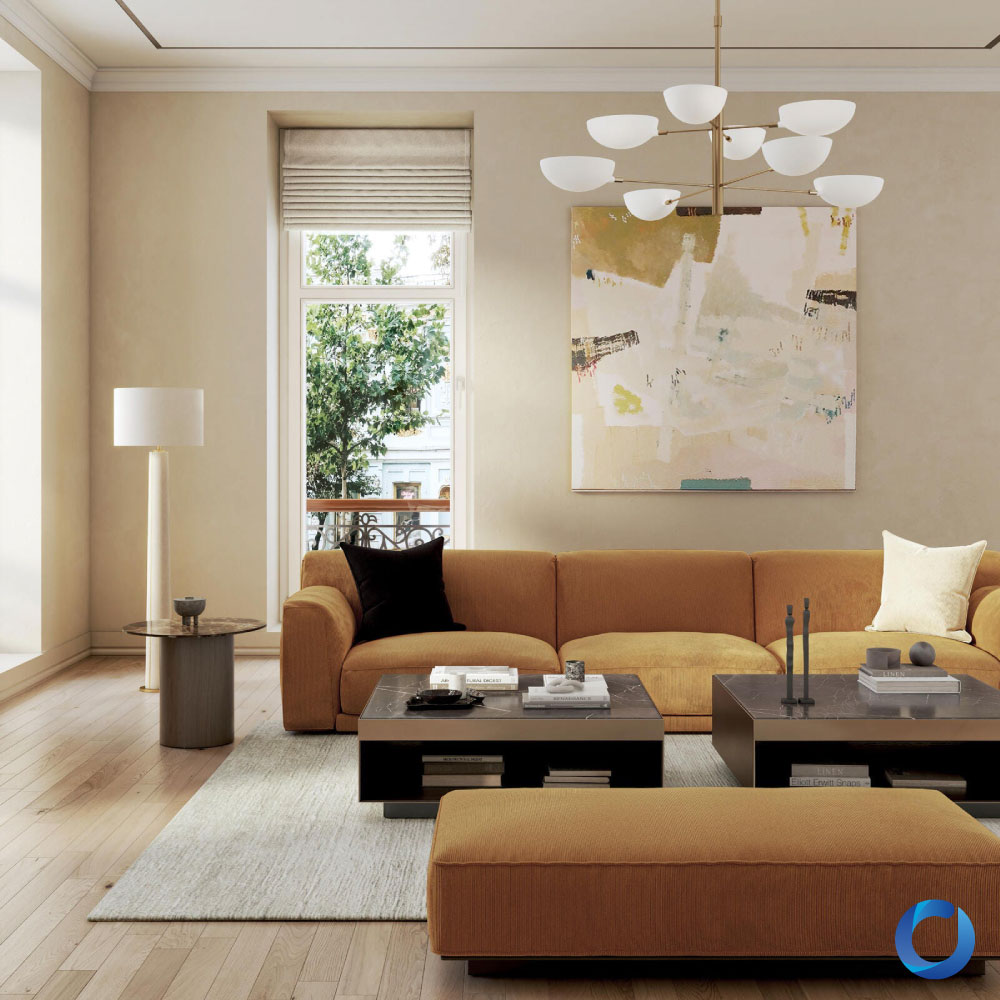
Pindrive / Collection
Style
Style is a broad term containing different forms of expression, and as far as the saying that everyone has their own style goes, this then serves as a loose and fast way to look at the personal aspect of upholstery fabrics, and emphasises the “guide” part of the title. The style of upholstery may very well cover everything from patterns to upholstery techniques, but here, they can primarily intersect by expressing the kind of texture and design the cloth brings to the table. These diverse styles for upholstery fabrics strive to contribute their own unique attributes and outlook, and can be utilised to match the theme of their surrounding environment, giving each space its own unique flair that could turn even a modern couch into a throne.
The most common style for upholstery fabrics is velvet, and its popularity has remained unchallenged ever since the first artisans mounted and upholstered sterner chairs for noble living. It is the hallmark of premium fabrics, weighing a silky thick flow, velvet is the chocolate of textiles, a quiet classic bespoke for those with an appreciation for definitive qualities.
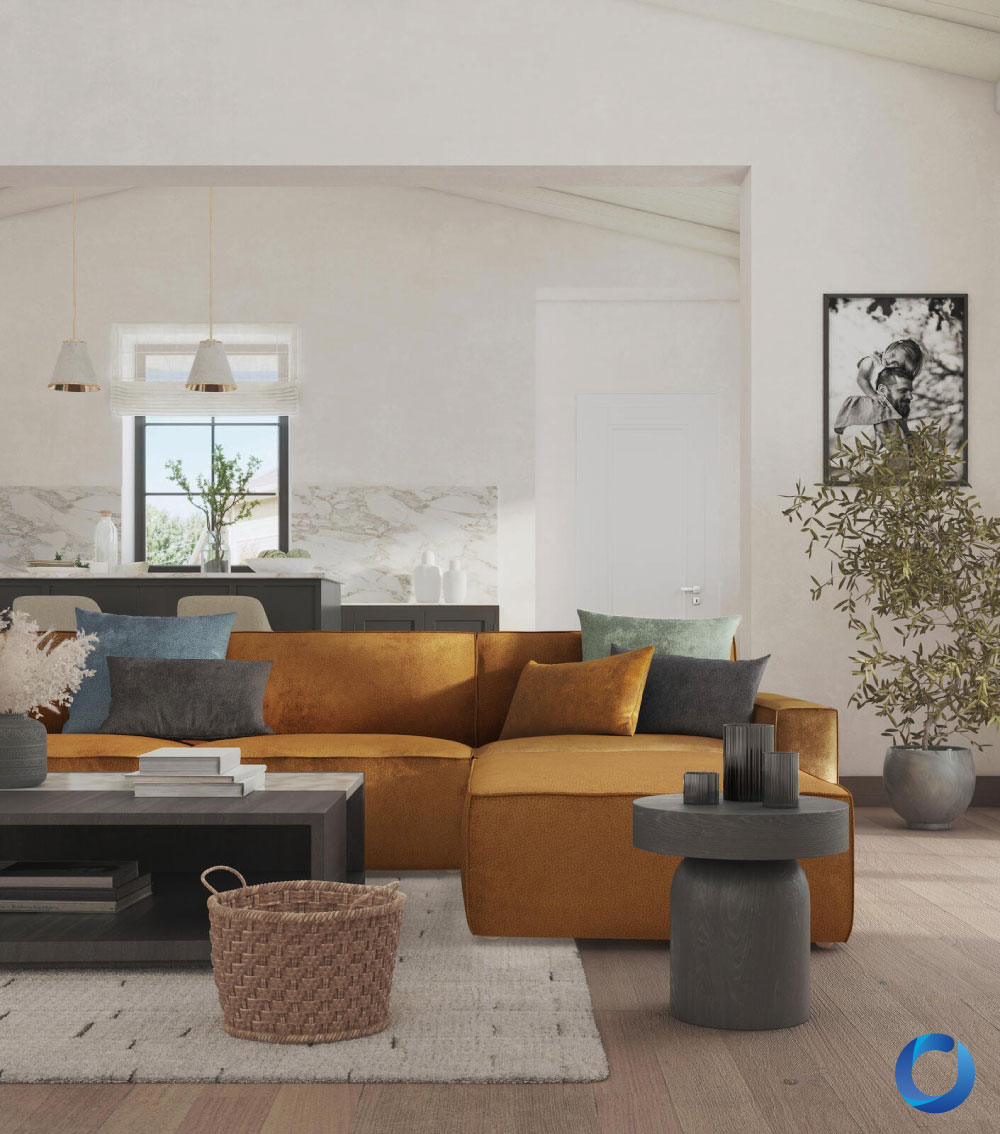
Feather Soft / Collection
Leather, much like velvet, is another classic and popular choice for the art of upholstery, though it has been gradually substituted with vinyl or imitation leather in recent times. Regardless, its texture is firm and polished, often able to cover your furniture with a cool, glossy shine when sunlight basks into the windows of the living room. Every cobbled packet lining the subject is a pillow of old elegance, tight cushioning appropriate for lovers of the traditional and refined. A gorgeous example of imitation leather used as upholstery fabric can be observed in the library’s Kinshasa Quilted collection.
Jacquard is a bold option for those who really want their newly upholstered cushions to stand out. When you think of vintage upholstery, it’s impossible to not include the honourable mention of jacquard. These fabrics often have abstract and graceful patterns sewn on them, possessing a noticeably rougher texture as a result when compared to the fluid velvet and leather. Famous prints of floral and damask are a staple of the jacquard style.
On the other hand there is Chenille, which is French for “caterpillar”, rightfully so as the way to describe the soft and furry fabric belying its strange name. Owed to its simple but pleasant texture, chenille is highly suitable for individuals looking for something more plain but familiarly comfortable, and firmly accommodating in the spirit of modern upholstery fabrics.
Feel the fabrics at our beautiful showrooms
Contact us for the location of the nearest Acacia Fabrics dealer
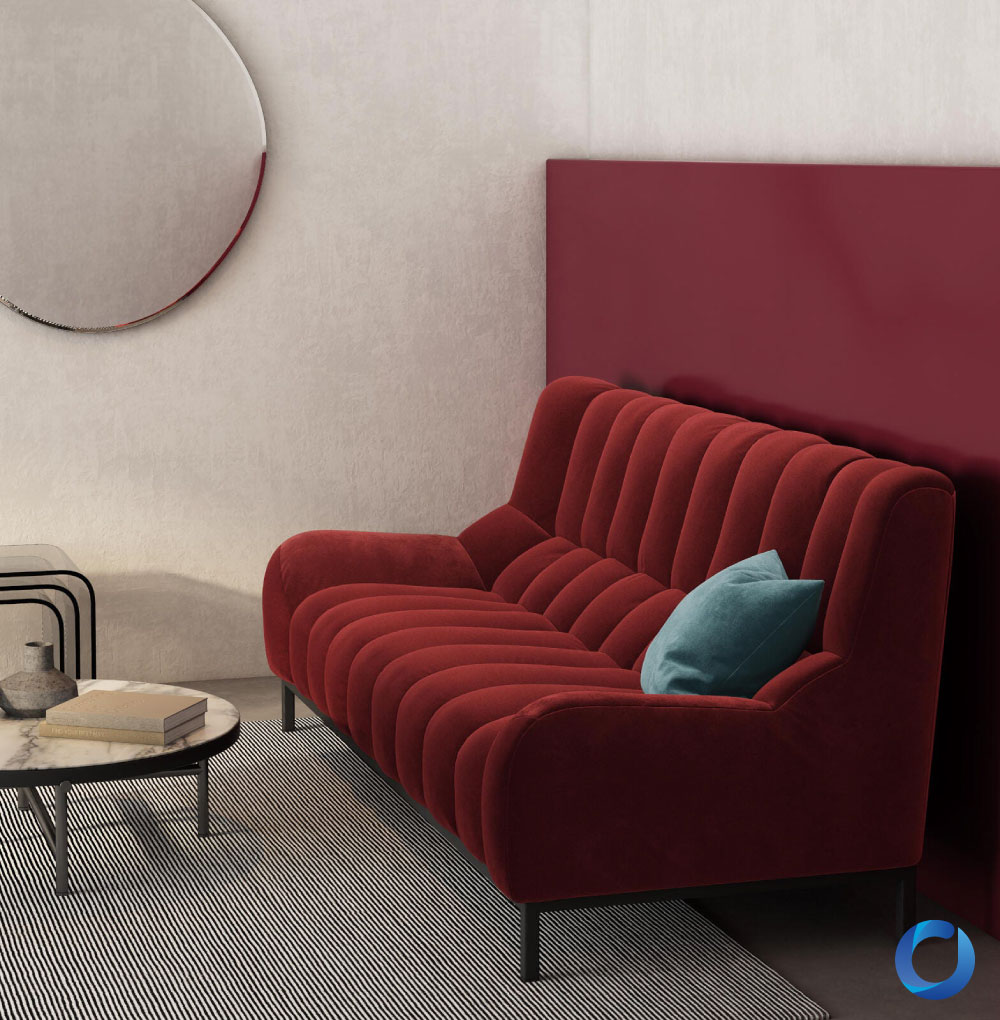
Moonraker / Collection
Upholstering: It Takes Two
When it comes to upholstery, European fabrics are premium and quality assured to ensure that the many dimensions of durability are properly covered for your comfort, ease of mind, and safety. The diversity of how upholstery fabrics can be personally stylised also brings a new flourish to your home life, so be courageous and check them out today to give your seating area a new look!
Reference links:
Allen. (2017, November 22). The triumph of comfort: re-upholstering Europe 1600-1815.
Signature Upholstery. History of upholstery - foundations.
Article Suggestion :
- Luxury Living Rooms with European Chair and Sofas
- Upholstery Care: Tips and Tricks for 2024
- Scandinavian Sofas with European Fabrics for Minimalist Homes
- The Impact of Textile Technology on Modern Upholstery
- Latest Curtain Design 2024
- L-Shaped Sofas: A Guide to Choosing the Right One for Your Home
- Upholstery Trends Combining Comfort and Style
Looking for quality sofas with creative fabrics and easy maintenance? Find the nearest showroom at acaciasofa.co
If you are searching for the perfect curtain to express your personality at home, find our nearest boutiques at acaciacurtain.co