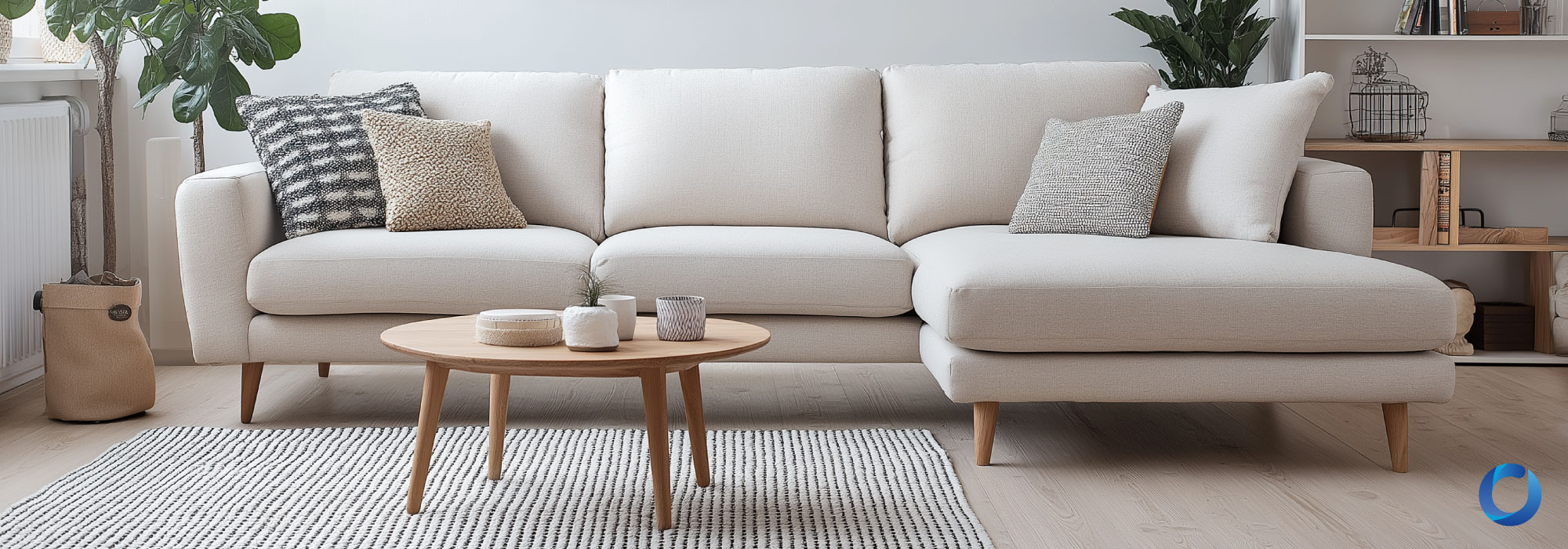
Scandinavian Sofas with European Fabrics for Minimalist Homes
February 13, 2025
by Sufiana
Known for Hygge, cosy layering and a certain DIY furniture chain, Scandinavia has left a lasting mark on furniture design. Scandinavian design, or “Scandi-core” as it has been dubbed on the internet, is one of the most popular interior styles for modern and minimalist homes. Picture white walls, neutral-coloured furniture and blonde wood in an open-plan living room that feels sleek yet homey.
This long-standing design movement has influenced many home decor trends over the years, including a style of sofas and couches often found in Scandinavian interiors. Recently, thanks to the popularity of Scandi home bloggers and TikTok creators, the style has gotten a slight update and reimagined by the newest generation of home decorators.
Known for its perfect balance of functionality and timeless design, the Scandinavian sofa is a go-to for many. With an emphasis on clean lines and simple design, these sofas are typically made of high-quality and durable European Fabric to ensure long-lasting comfort.
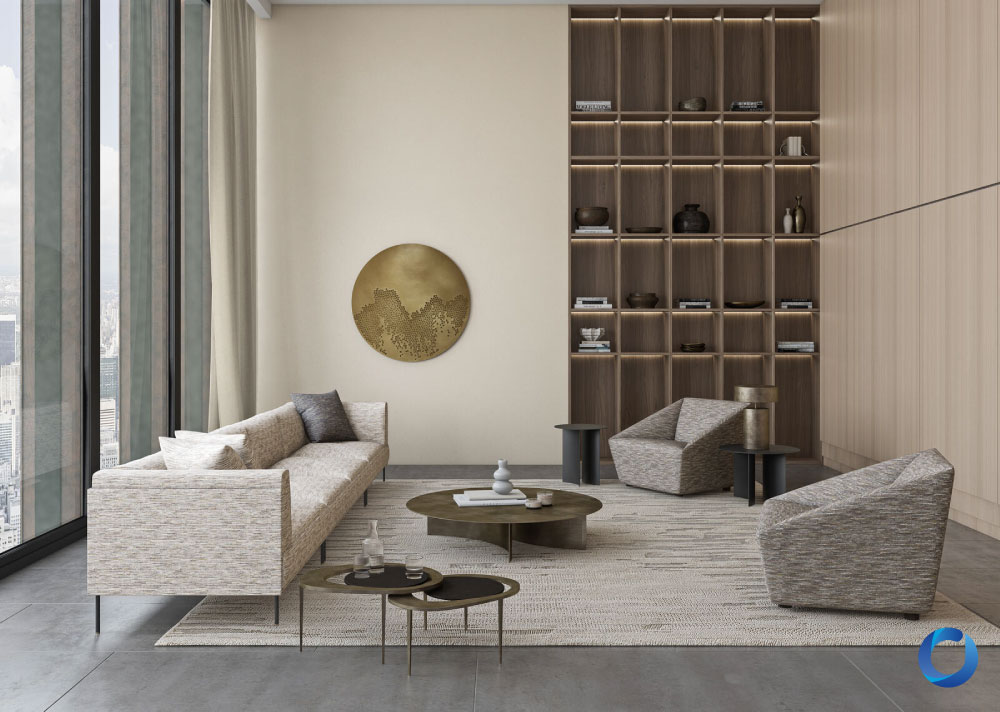
Mantila / Collection
Feel the fabrics at our beautiful showrooms
Contact us for the location of the nearest Acacia Fabrics dealer

What is Scandinavian Design?
Originating from the region of Scandinavia: Sweden, Norway, Denmark, Finland and Iceland, the design movement has its roots in the early 20th century and quickly became popular around the world in the 1950s. Renowned designers like Arne Jacobsen from Denmark and Josef Frank from Sweden ushered in what is often referred to as the golden age of Scandinavian design. They drew inspiration from constructivism and functionalism, aiming to seamlessly merge functionality with beauty.
Some notable pieces of furniture from the era are the Wishbone Chair by Hans Wegner of Denmark, commonly used as a dining chair in homes and restaurants alike, and the multipurpose Stool 60 by Alvar Aalto, which has been replicated by IKEA.
Scandinavian design principles often aim to create a space that is clean and functional. Similar to Asia, many Scandi homes feature an open-plan layout, where the living room, dining room and kitchen are in one space. For this reason, this design is best suited for family homes where the living room is often the heart of the home.
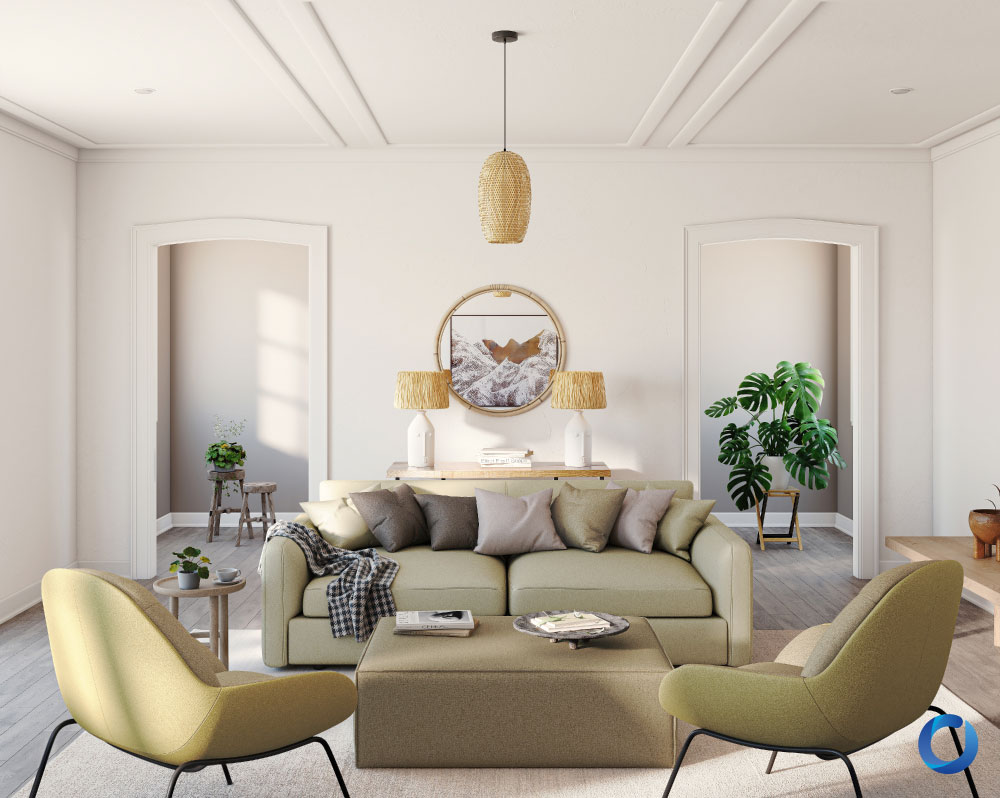
Fellow / Collection
Key characteristics of Scandinavian sofas
Now that we are familiar with the Scandi style, let’s explore the fundamental features that make up a Scandinavian sofa.
Shape and Design
The key thing to getting the Scandi look right is striving for simplicity. Scandi-style furniture should be uncomplicated, and ultimately comfortable. Similar to the mid-century design movement, this style of sofa largely emphasises on the ergonomic features, such as the shape of the backrest, the plush of the cushions and the type of upholstery used.
When choosing a sofa shape, always consider the right size for the space of the room. Sectionals and L-shape sofas are best suited for larger living rooms, they can also help to break up and create cosy corners in an open-plan layout. For those living in condos or smaller city homes, consider sofas with built-in storage or convertible mechanisms to fully optimise your space.
Modular sofas are a safe bet as their individual pieces can be moved around into various configurations. This offers flexibility and can adapt to its surroundings and the evolving needs of a home.
Texture
A term that you will see commonly associated with the Scandi style is ‘hygge’, meaning warmth and comfort. While Scandi decor typically lacks any fancy embellishment, the style is very rich in textures and will often layer different types of materials to create the perfect cosy ambience.
For upholstery, cotton, linen and leather are the most popular options but softer European fabrics like velvet, linen, bouclé, wool and even corduroy are some of the trendier options among younger millennials and Gen Zs.
One advice that you will hear from many interior designers is to request fabric swatches before committing to your upholstery, especially when it comes to textured materials. Leading fabric distributor, Fabric Library, even has a special feature on their online catalogue to help you visualise the 3D texture of the material.
Colour Palette
Inspired by the native Scandinavian landscape, many Scandi furniture are often sourced from organic materials and the original colour of these materials such as wood or linen is often left in a raw or undyed state. Soothing neutral and earth tones like shades of whites, warm greys and sandy hues are key to nailing the hygge vibe.
There is a common misconception that colours should be avoided in a Scandi interior but this is not always the case. Subtle pops of colour, such as blush, grey blues, and nature-inspired hues like sage can help to add some points of interest to the room. In general, warm tones and simple geometric patterns are a wonderful way to make your home more warm and inviting.
If you are unsure how to create a custom color palette, seek inspiration from European fabric brands like Mercis. Their curated mood boards showcase an array of colours and textures, offering valuable guidance in selecting the perfect combination for your living room.
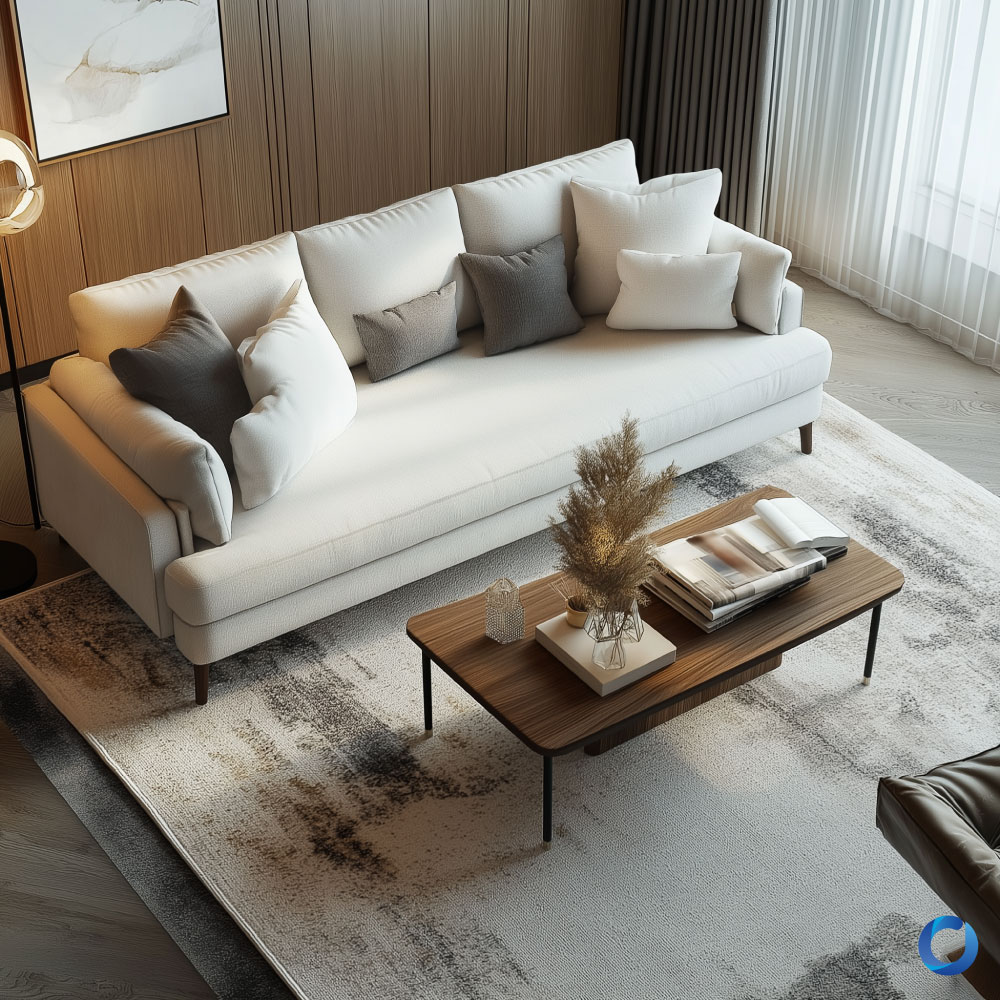
How to choose the right sofa for your living room
A sofa can be a major commitment, this means you definitely need to think long-term and try to get as much value out of it as possible. While great design is important, looks alone will not cut it. Do consider your own lifestyle needs and how you plan to use the space, as this will influence the size, material and features you should prioritise when sofa shopping.
Comfort is key
While it is tempting to choose a sofa just based on appearances, it should never come at the price of comfort. Consider the firmness, seat depth, and cushions of the sofa, to ensure they will meet your comfort standards. Different sofa fills will provide varying experiences so do choose based on how you prefer to use your sofa. Fills like foam offer firm support, feathers provide softness, and memory foam would mould to your body shape.
When deciding on the upholstery, do not overlook how the fabric will wear in the long term. For sofas used in high-traffic rooms or family homes with pets, delicate fabrics like velvet or silk would not be suitable. High-performance materials like microfiber, leather, and stain-resistant fabric would stand up better to scratches, spills, and daily wear.
For example, Fabric Library carries a wide range of beautiful upholstery performance forward textiles that are safe and non-toxic. From luxurious silks to everyday-friendly microfiber, you can explore more than 20,000 decorative options, designed and curated by a dedicated team in Belgium.
Getting the suitable size and scale
As the anchor of the room, it is important to ensure the size of the sofa is proportionate to your room. Before purchasing on your sofa, take precise measurements of not just the room but also all the doors, hallways, staircases and elevators. To avoid your living room feeling stuffy and cramped, ensure there is some breathing room between your side tables and other furniture to keep the room feeling balanced and airy.
Once you have decided on the size, do not forget to also check the height of the sofa. Sofas with high backs will provide more support, while low backs are better suited for smaller rooms with low ceilings. The height of the legs will also impact how you use this furniture, high legs will provide an airy feeling to the room but may not be suitable for families with small children.
Less is more
Trends may come and go but your sofa should stand the test of time. As one of the largest pieces of furniture in your house, you may want to avoid a dominating print that will be dated as soon as the next trend rolls around. Instead, opt for an interesting texture or a colour palette that will be cohesive with your other surrounding spaces. To add more of a statement in your living room, you can always incorporate trendy colours or fun patterns for a smaller wing chair or throw pillows.
Some of the most famous Scandinavian sofa designs were designed in the 1950s and they still look just as modern and functional today.
Daily durability
Maintenance is also something you need to bear in mind for a sofa to last a long time. Luxurious textured fabrics like bouclé, wool and velvet make beautiful sofas but they also trap dust easily, which requires frequent cleaning.
These days, there are also upholstery brands that specialise in stain-resistant fabric such as FibreGuard. Their fabrics are designed with a flexible moisture barrier that can stop liquid from penetrating into the foam. FibreGuard’s fabrics have been rigorously against many types of stains from common household spills like ketchup and even mud. If you have the option, select removable covers that can be machine-washed so you can keep your sofa looking fresh for the years to come.
For homes with pets or children, opt to get upholstery fabric with a rub count above 30,000. These fabrics are considered more heavy-duty and are able to withstand heavier use without fraying or wearing out quickly. New innovative fabric brands such as Mercis have introduced artificial, water-proof and even fire-retardant materials that feel just as good as the real thing.
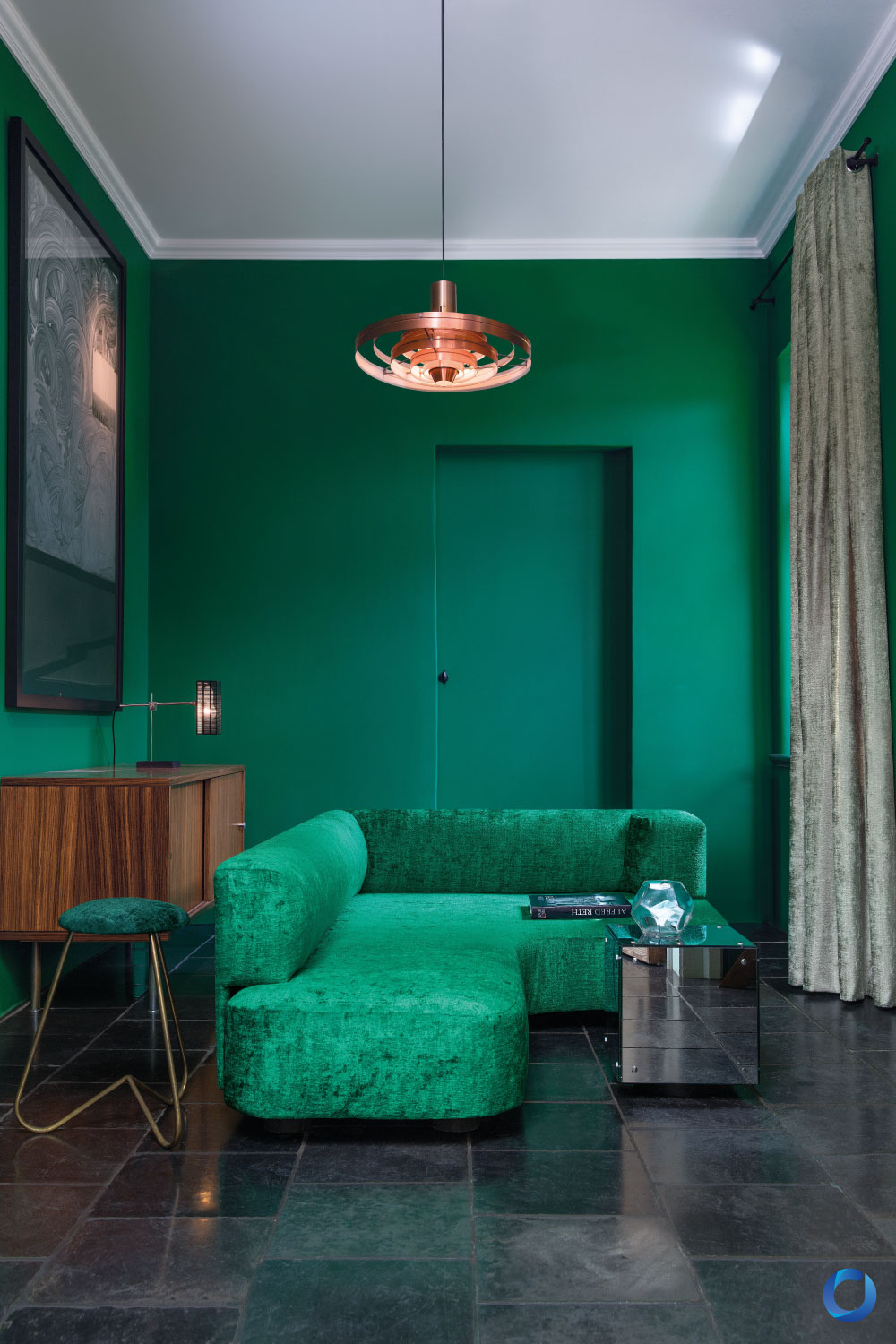
Brigadier / Collection
Benefits of using European Fabrics for upholstery
Upholstering a sofa can be quite an investment, so it is important to verify how the materials are sourced and produced. In the textile industry, there are a few certifications that ensure the fabrics have been made with proper standards. For companies to acquire these certifications, they must perform specialised textile testing. This helps not only consumers but also fabric distributors and commercial partners to make sure the textile materials provided to you are safe to use and of high quality.
Some of the certifications to look out for are the STANDARD 100 by OEKO-TEX® which guarantees the fabric is non-toxic and does not release any harmful chemicals into the environment and the Organic Content Standard (OCS) to authenticate the use of organic materials like cotton. Some fabrics are also certified with the Global Recycled Standard (GRS) which ensures any claims regarding the use of recycled textiles are accurate and up to date.
Many of the fabrics produced in Europe go through rigorous independent testing to ensure every part of the production chain, from yarn supply to the finished products is made ethically and safely. By being aware of these certifications and claims, you can make more sustainable choices in your purchase and help extend the life of your sofa.
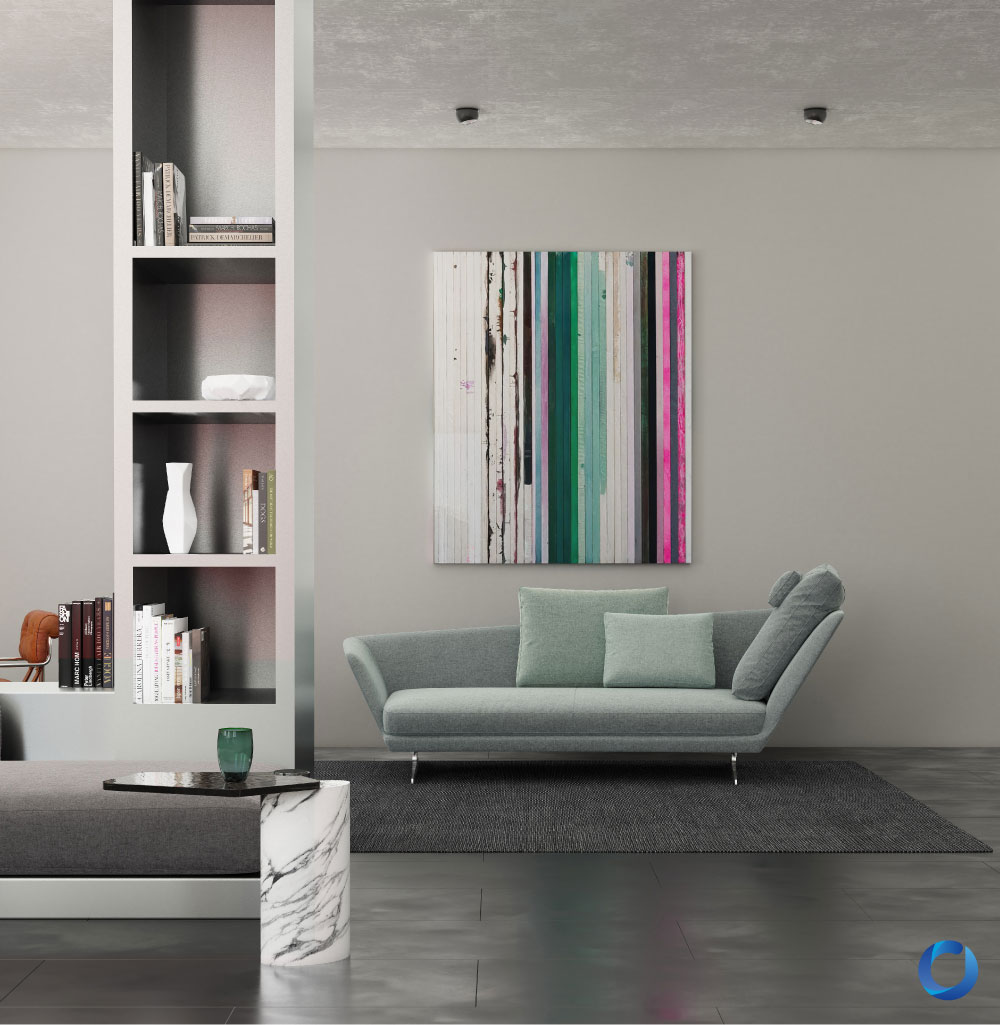
Deluxe / Collection
Why Scandi Style will continue to be popular in the future
As an interior style that focuses on form and function, one of the joys of utilising Scandinavian furniture is that you can easily achieve a sleek and minimalist-looking home without feeling stark and cold. By incorporating neutral hues and layering textures, you can create a serene atmosphere that is cosy yet stylish.
One of the principles that makes this style very adaptable for both large houses and smaller condos, is the emphasis on creating a light and airy feeling. As the Scandi style is inherently simple, it also has the versatility to mix with other forms of decor.
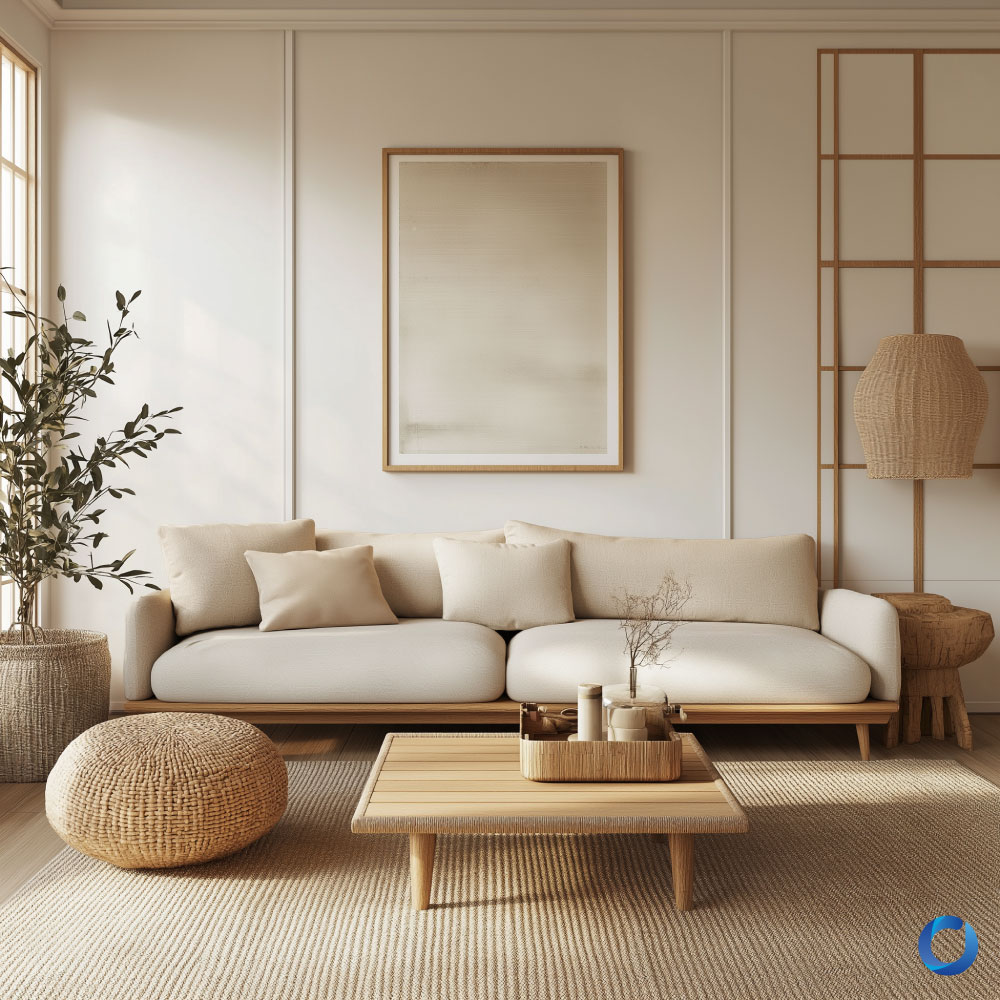
For example, the Japandi concept which has also been trending for some time now, combines both Japanese and Scandinavian aesthetics. Similar in design principles, this style honours both cultures and effortlessly marries minimalism with cosy comfort. Other design styles that pair well with the Scandi look include mid-century modern, Wabisabi, Bauhaus and Bohemian.
Conclusion
From entertainment to relaxation, people are spending more and more of their time at home, so creating a comfortable living room is increasingly becoming a priority. Whether you like entertaining guests or lounging in front of the TV, getting the right sofa is key to creating the desired living room ambience.
The enduring popularity of Scandinavian design is a perfect example of how people can transform the living room into a cosy and functional space. This timeless aesthetic, characterised by clean lines and high-quality materials effortlessly creates an atmosphere that is both inviting and sophisticated.
Custom upholstery offers a unique opportunity to personalise furniture and perfectly align it with your lifestyle and aesthetic preferences. When it is expertly crafted, custom upholstery can significantly extend the lifespan of your furniture which is ultimately better for your wallet and the environment.
Feel the fabrics at our beautiful showrooms
Contact us for the location of the nearest Acacia Fabrics dealer
References:
J. Ebert (2022, May 19) 15 Scandinavian Living Rooms - Home & Gardens
A. Sharma (2025, January 10) Couch dos and don'ts – 10 tips for choosing the right piece for your space - Home & Gardens
Article Suggestion :
- Innovative Upholstery Fabrics for Modern Homes
- Upholstery Care: Tips and Tricks for 2024
- Maximising Space with Creative Upholstery Solutions
- Luxury Living Rooms with European Chair and Sofas
- Latest Curtain Design 2024
- L-Shaped Sofas: A Guide to Choosing the Right One for Your Home
- Upholstery Trends Combining Comfort and Style
Looking for quality sofas with creative fabrics and easy maintenance? Find the nearest showroom at acaciasofa.co
If you are searching for the perfect curtain to express your personality at home, find our nearest boutiques at acaciacurtain.co