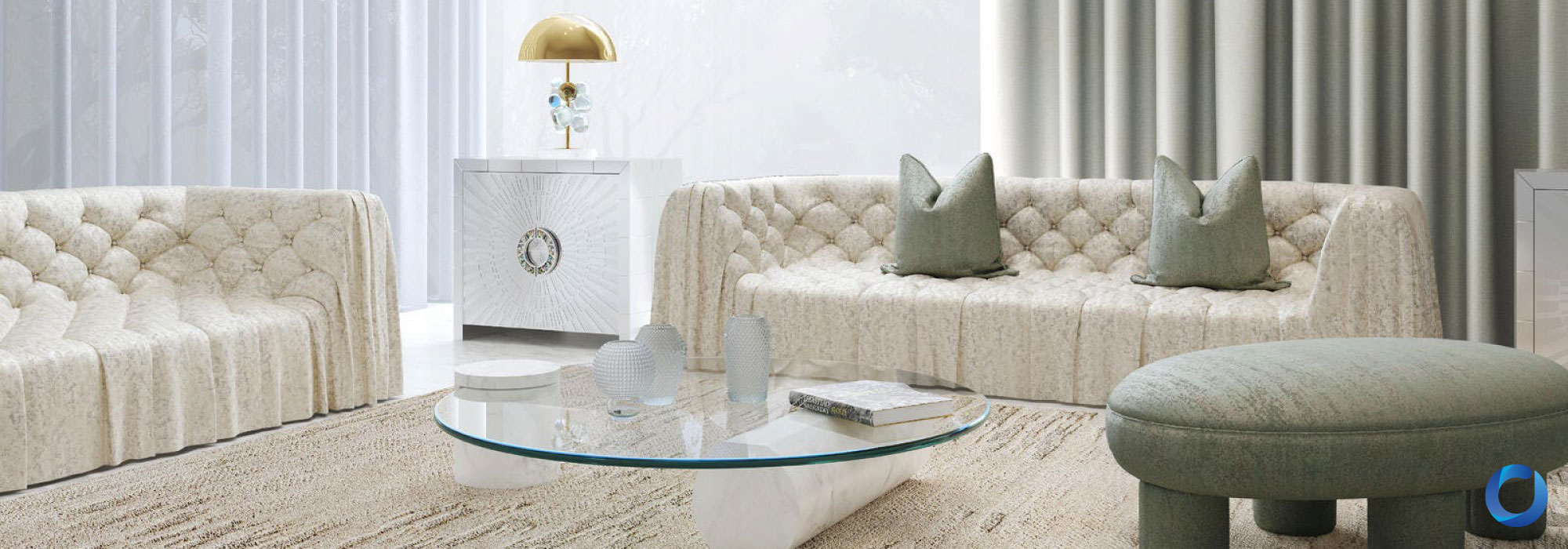
Matching European Curtains Fabrics and Sofas Perfectly
February 21, 2025
by Sheryll
Intro
To say that interior design has entered the great architectural debate only recently would betray the careful records alluding to the culture of our humble past, from originally autodidact civilisations shaping up stone and clay, to the handcrafted furnishings traded between periods in shifting affluence. What lies in a house is a question that has been rotated as opposed to a reinvention of the wheel. This is unsurprising, granted that much of the social aspect in history studies the umbrella of contemporary living in diverse perspectives, and where there is absence of written entries journaling the rapids, (living) space compensates, and architecture is one art form that is relatively undisturbed in some parts of the world, while tightly preserved in others. I would not say that our architecture and sense of design has remained completely unchanged, but appropriately transformed, changed with the people.
Interior design is recognised politically as it ascribes our belonging to something and somewhere, a formal yet private location to live out our personal identities, and this is true whether we realise this consciously or not. I did not have to look far, observing the composition of my grandmother’s house during our weekly visits. As usual, the welcome rug was red and gold, a good palette that was auspicious for us. I recalled that the seats were rattan, upholstered with sleepy green-and-pink florals on the fabric, and the curtains were thin, scribbled with white lace and flowers, smelling like medicated oil, a self-explanatory staple for those identifying as Chinese Malaysians.
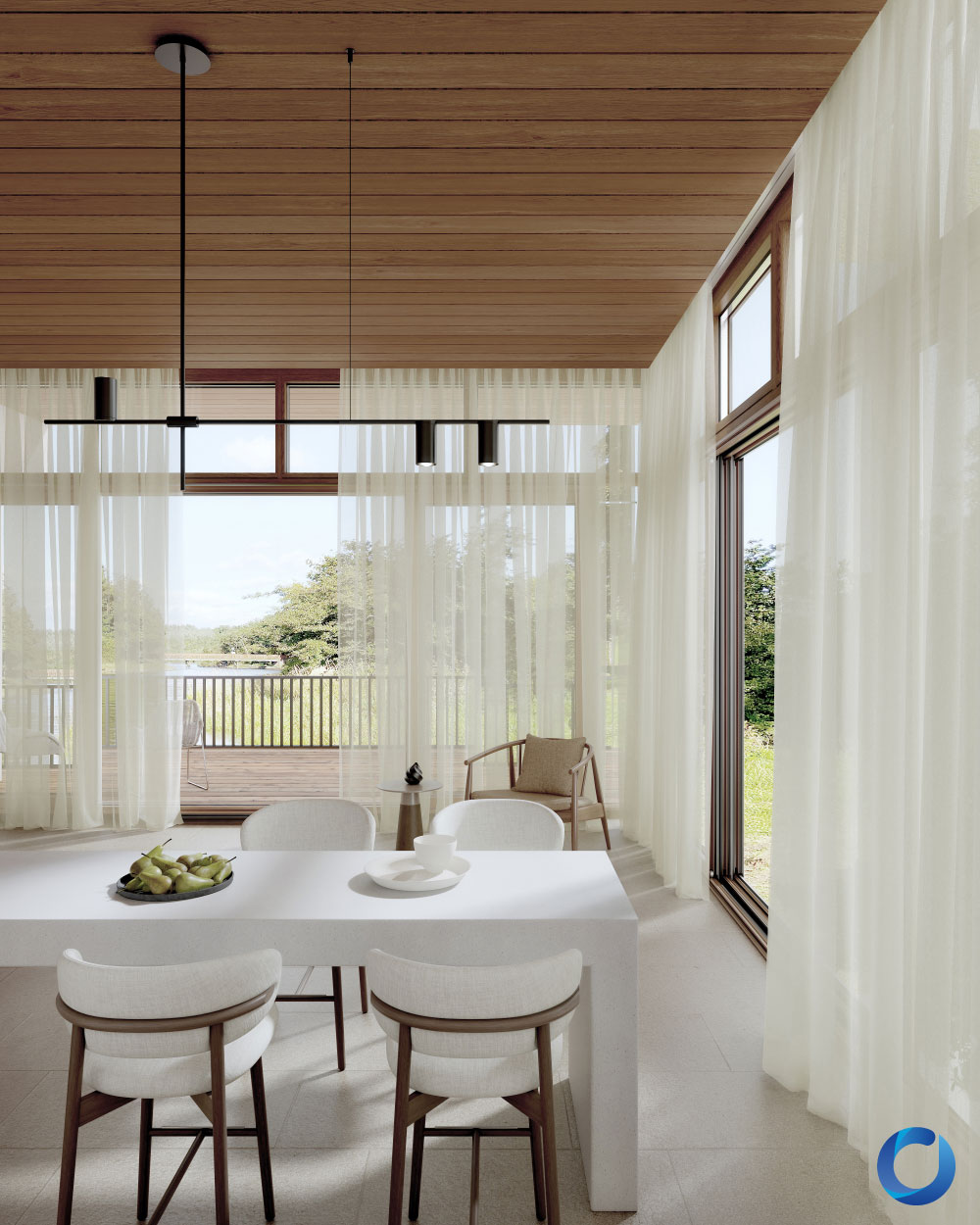
Twirler / Collection
The nostalgic combination of these elements trounces any elegant renovation - it reminds the beauty of being Malaysian into my world, and is then reflected similarly in Europe, where homes strongly infused with what is viewed as “European style” depending on the region are based on working with existing local architecture dating back centuries, aligning the perception that what constitutes distinctly as the modern European style for home living is a mix of artistic influences between old and new components. Now, it is a matter of how balance is achieved, which provides an interesting look as to why matching European fabrics to an effect is all the heat these days.
Feel the fabrics at our beautiful showrooms
Contact us for the location of the nearest Acacia Fabrics dealer

Thus, for homeowners looking forward to becoming inspired in elevating their living space, the most recommended way to go about it is to start by picking a theme. While you are definitely encouraged to prioritise sticking to your instinct and personal tastes when it comes to how this organisation is performed, familiarising yourself with a theme instead of simply trying to clobber different aesthetics in one sitting can be considered, and the understanding acts as a fresh guide later into the process to truly smoothen things. A mental template, basically. Aesthetics tied to the vivid culture of Europe can simultaneously overlap and be heterogenous, and though there are some contrasting sources, researching what suits you best is advisable, and you can gradually add more features to your liking.
With so many things to cover, where exactly can you start? What elements can you minimise and think about before getting hands-on with your home’s project?
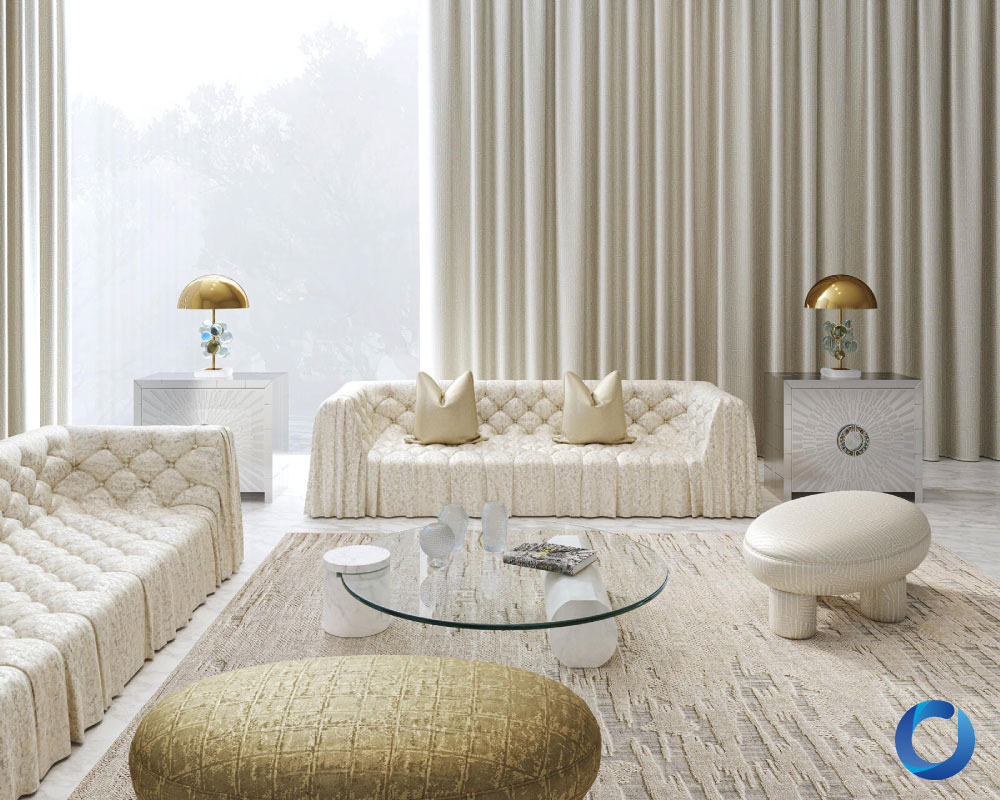
Matisse / Collection
Understanding Composition: Space and Flow
You enter your home. The world looks white, but the space is cluttered. Naturally, human eyes are drawn to patterns and familiarity, and in the state that it is, we need to take our time to process everything presented to us. But instead of being overwhelmed by how many things there are in one space to look at, you can direct this attention by matching certain elements, namely the curtains, fabrics, and sofas to create a sense that there is a blend between the world and your personal comforts. Fabrics broadly cover most essential furniture, from bed sheets to pillows, and for everything to be deemed coherent, take into account that there are other factors that can play into the composition, like the colour of your wallpaper and the material of your floors.
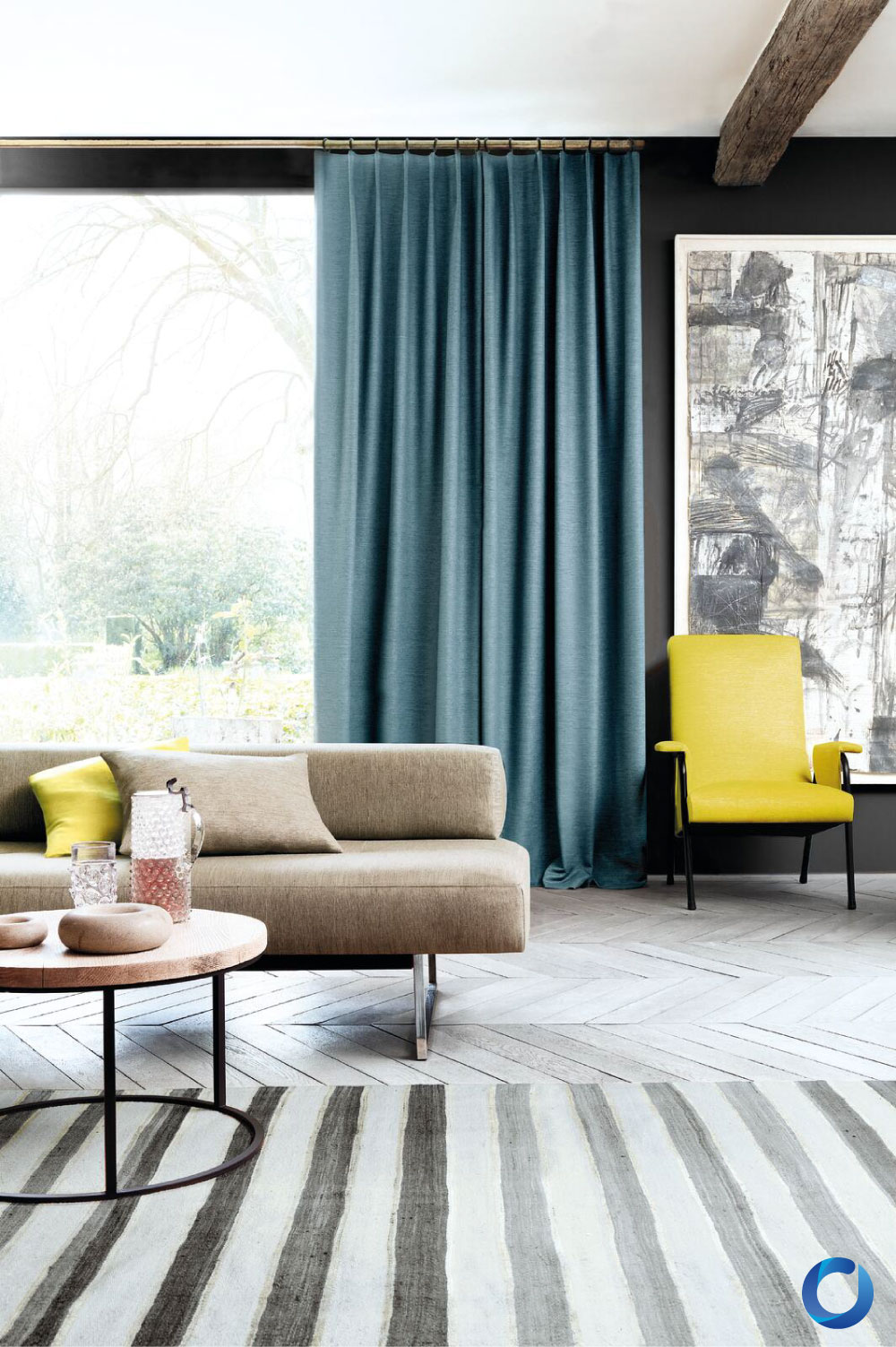
Provence / Collection
While furnishing items help to adjust space based on their shape, fabrics are a strong element because they are remarkable for their colours and textures, the two of which are important to diversifying space while also maintaining the aforementioned balance: they can bend and wind the order of the arrangement perceived, able to break up awkward monotony without feeling too empty or too much. On this tangent, the role that lighting plays should not be underestimated, which is why curtains are one of the highlights of this section. Light clarifies shape and contributes to the ambience, warm-cold and such. It’s sensible that you should not have to modify everything you currently have to integrate a modern European style, rather understand that they do influence the atmosphere of your home.
All in all, it is why picking a theme is essential to the first step of blending. You have to know what you want to achieve, what the balance evokes, and how it all ties in together. With that being said, here are some themes briefly based on countries in Western and Northern Europe that you can read more about to get acquainted with to see if they contain elements desirable to what you envision.
Victorian Pieces and the Old Labyrinth
Although the Victorian period is associated with the English, this era occurred during the British Empire, and so oriental furnishings and assorted ornaments being present are faithful to the time. Following the bizarre streak of framed paintings and hanging chandeliers from the raised ceilings, porcelain vases and candlesticks, the key to Victorian living spaces is the consistent inclusion of detailed patterns and designs maximised in a single space, with the respective colour palette of this period primarily utilising hues of red, white, and green. These colours are vibrant and saturated, rightfully reflected on the wallpaper, cushions, and rugs, a trademark associated with elegance and aristocratic privileges.
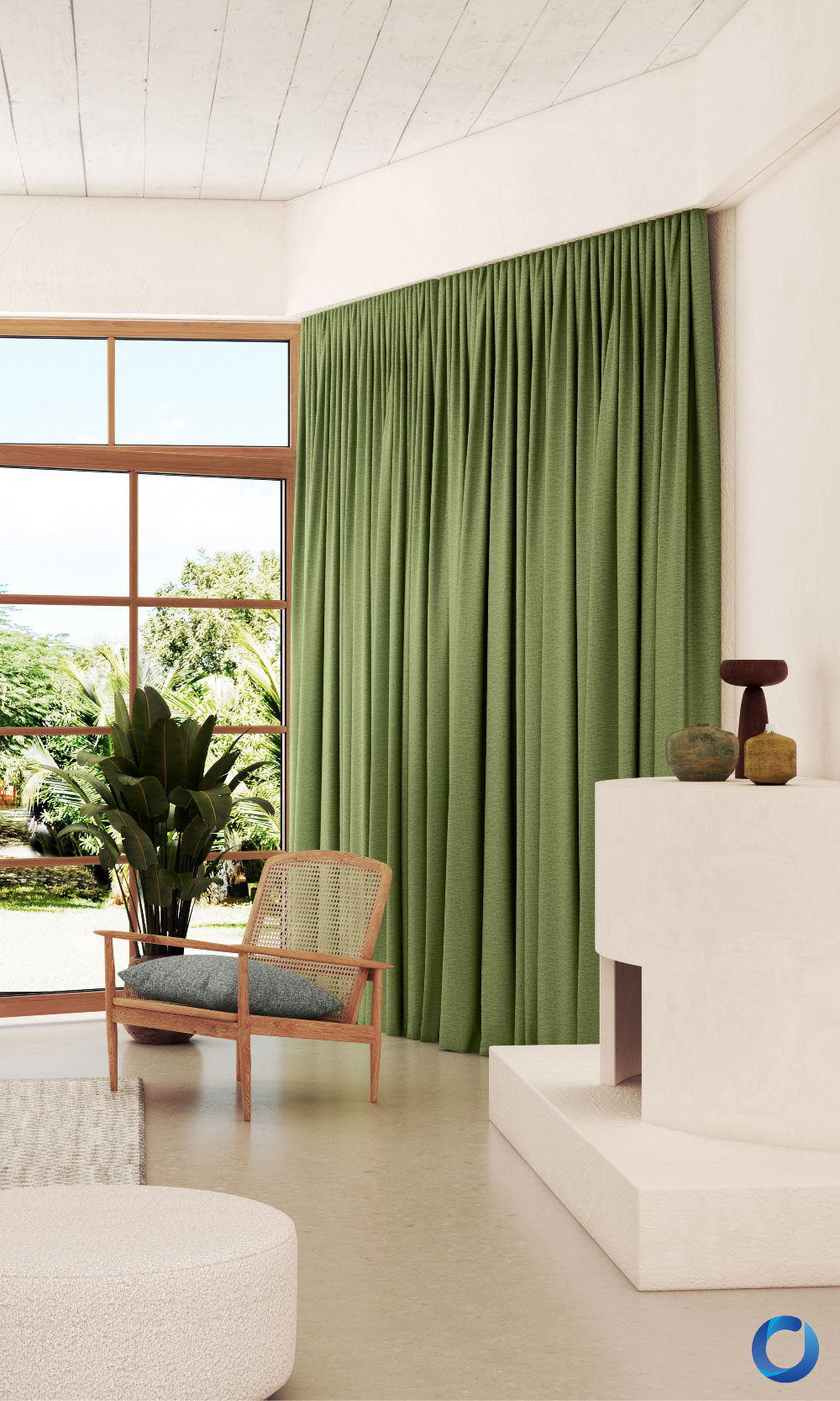
Zeal / Collection
Here, your curtains do not have to be overly excessive as long as the rest of the fabrics are, and should be used to contrast and balance out the artistically meticulous carpets and upholstery fabric for couches. The principle here is to trade one for another: if your curtains are already prettily plastered with flower stamps, then the upholstery fabrics in the area should be more reserved and plain, and vice versa, but one of these elements must retain their elaborate flow for it to come into effect. An example of a curtain that would fit into this piece is Allegria Premium from Mercis, which boasts the desired shade of wine-red and brushstroke gold. Additionally, while the selection of plain curtains in a Victorian setting would allow for more decorative avenues, they should still adhere to the use of rich, thick tones, as seen in the Prado Premium entry. After all, though the main atmosphere comes from the wallpapers of intricate patterns in what is recognised as high Vicotrian gothic, decorative curtains are such a lovely way of filtering light and framing windows to create a tangibly vintage vibe like no other.
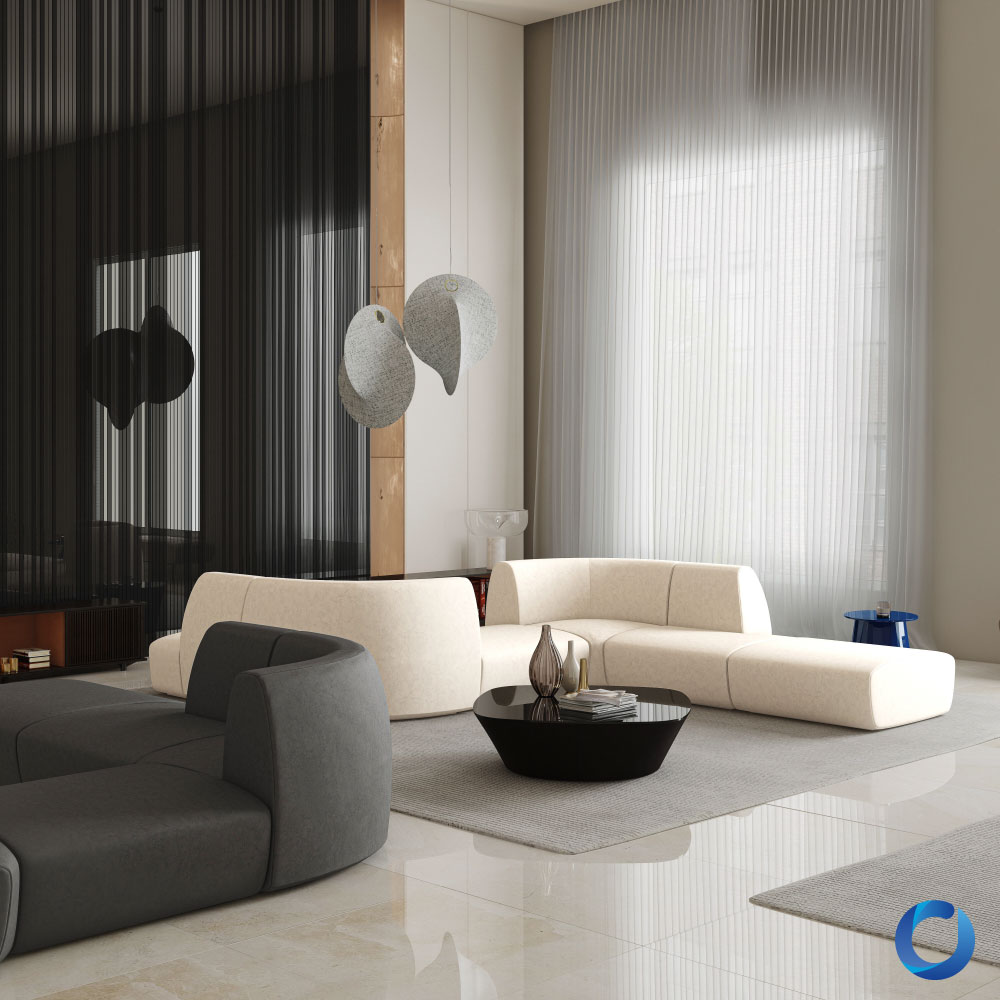
Evo / Collection
As for the upholstery, they were usually made of damask and velvet, typically imprinted with various patterns on them. You can also, however, lay pillows with decorative designs on them, perhaps a fine floral stitch, while giving your sofa a fresh velvet or leather upholstering, which would contribute to giving the room texture without clashing with the pillows atop. Both velvet and leather are also popular choices for those seeking to redefine their private quarters with a sophisticated flair.
Once you have introduced such details to your home and become satisfied with the outlook, you are always free to alter and adjust these elements to further refine the mood.
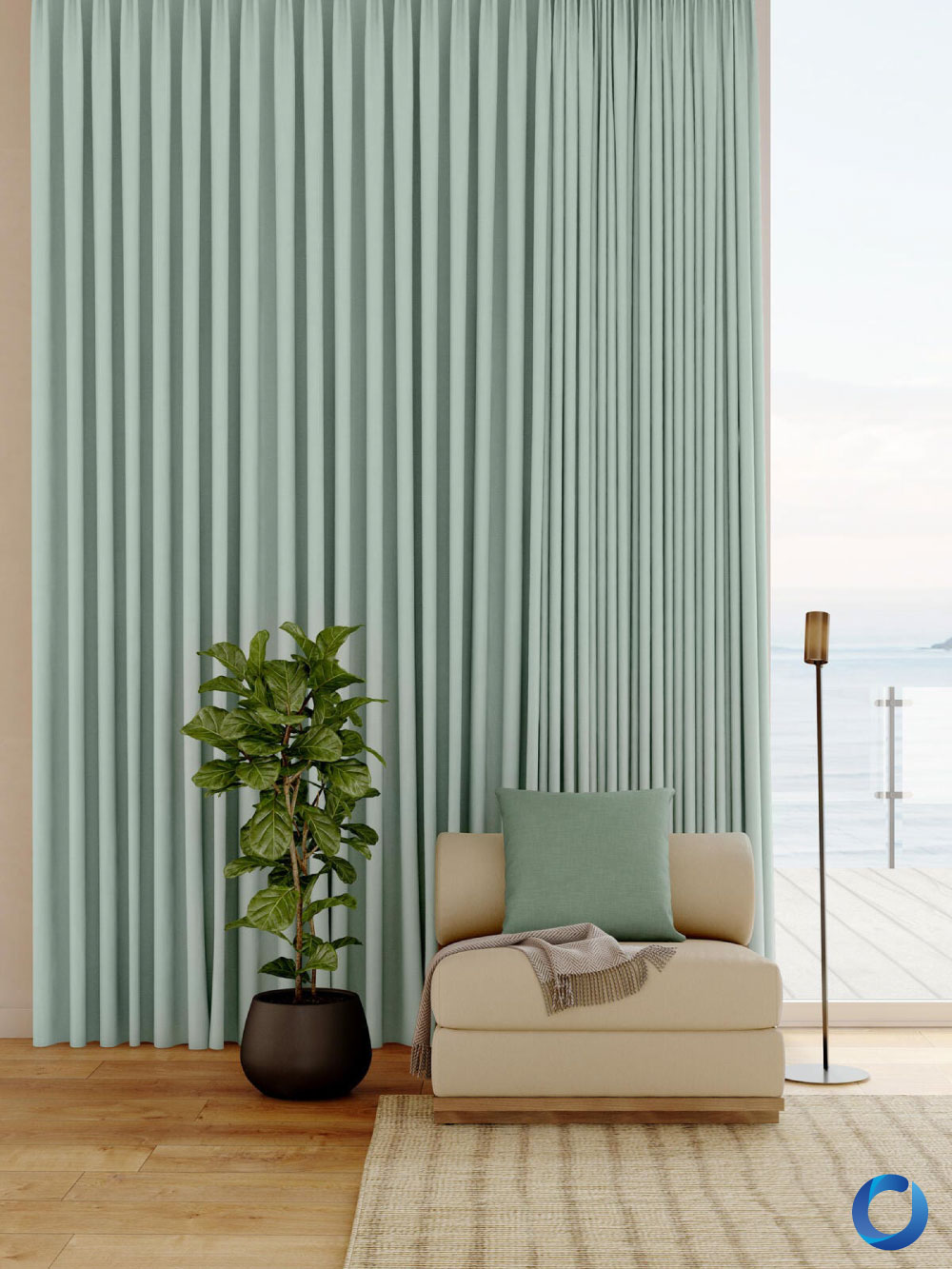
Miro / Collection
Parisian Delights: The Art of Lax
French interiors are a little different. While initially featuring a gentle, floaty aesthetic during the late Baroque or Rococo style when approaching architecture, often characterised by scrolling curves and a generous use of pink, gold, blue and white colours, most Parisian living spaces these days have very much been modernised, as observed in their general apartment arrangements in the city, not accounting for older, countryside villas. But what is uniquely French from what is told is that French interior designers shouldn’t have to “try very hard”, and emphasises on going with the existing flow, of mixing the old and the new to bring a refreshing living experience, simultaneously maintaining the historical aspects and elements within. Space is utilised artistically, and unlike the Victorian philosophy, what matters more is how you fill in personally. There aren’t any real rules or expectations when it comes to trying to recapture the French essence, rather opting for a casual outlook to decor, and here, it serves as a thoughtful reminder that tiny additions of random items humanises the home, serving as a reverent ideal reflected in the pursuit of the “perfect” living environment that it should feel lived-in.
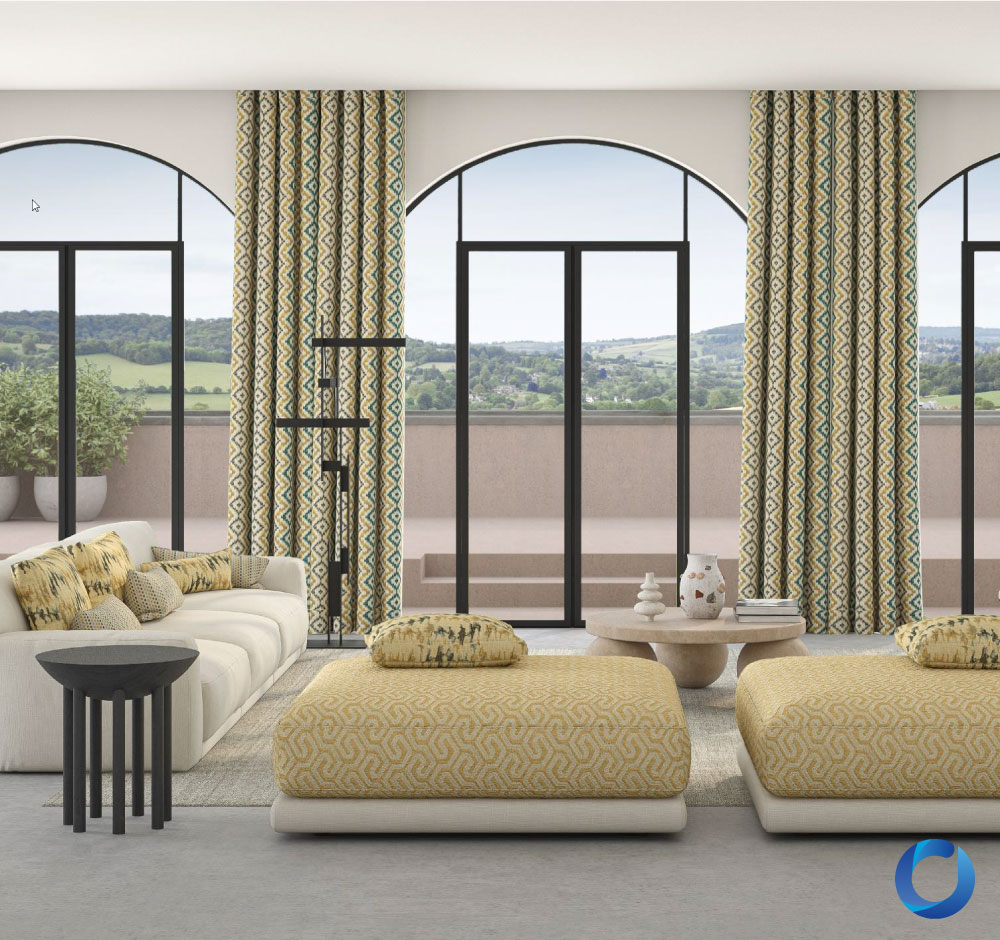
Jamboree / Collection
Essentially, the suggestion of being inspired by French interiors means that how you change the fabrics also gets a bit particular. Against all expectations, use vibrant colours to break up monotony, blending a cross of both organic elements like wood and inorganic materials to carve out a natural ambience. Have carpets with geometric shapes. Blue and white are great for curtains as they complement their signature portes-fenêtres, and are integral to bringing about a more relaxed atmosphere in your home. The Fabric Library’s Jamboree collection is one sample of a cheerful, vivid piece, and for sofas, upholstery can play an important role in luxury, such as Mercis’ Lumina Stripe under the eponymous entry posing a simple, lining design to accompany the miscellaneous of surrounding accessories.
What matters is that it appears artsy and fun, not bowing to the wind of trends, and the elegant personality of a home will shine through by staying authentic to yourself.
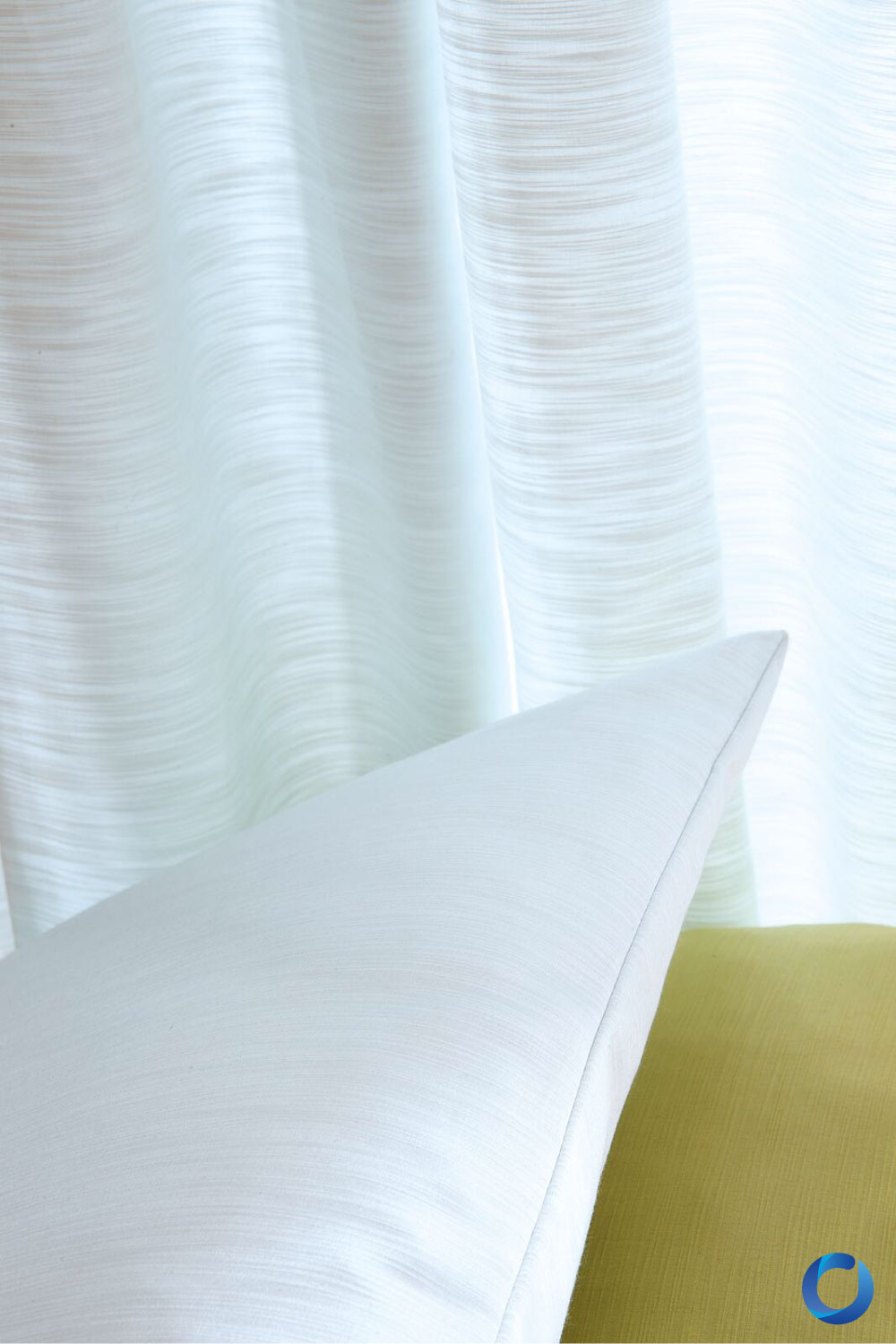
Raider / Collection
Modest Acclimates in Scandinavian Living
Scandinavian interiors just had to make the list, and is a style more culturally relevant and popular now than ever. Not only is it desirable by the trend of how the inner spaces of modern homes are styled in general, but underline the value of being minimal. Sometimes, in design, they will tell you that less is more, and this is most apparent with the arrangement of this section. This aesthetic normally favours neutral colours, ranging from black, grey, and white, to more desaturated tones that encompass a standard, modern home. Natural lighting passes through the windows, along with the bright fixtures of the living room, and a gracious integration of wooden frames for furniture all around the house, the style of which are commonly found in IKEA stores.
Trying to match your fabrics here is more simplistic, but simple doesn’t mean it’s no good. The general trend with minimal quarters are curtains such as Base, featured by Mercis, a transparent drapery to blend with the wide, glass windows and tidy environment. The colour palette is completely up to you, whether it looks polished or industrial. Upholstery fabrics, meanwhile, would benefit from a grainy but modest fabric in this aesthetic, like Lyra, also starred by both Mercis and the Fabric Library, and the same approach can be applied to the carpets for the furnishings to rest on.
Simple living and simple colours, while plain at first, can still translate to high quality living, not shy from the tasteful efficiency displayed in what you prioritise and focus on for your home.
All About the Beholder
Ultimately, matching your curtains, fabrics, and sofas should not always be strictly systematic, and can be a highly stimulating and fun experience when keeping an open mind towards interior decor and placement. While it is okay to abide by colour theory, picking a theme allows for a more coherent and culturally-oriented decoration technique not dissimilar from individual fashion, and whichever style you prefer will always be a choice that rests awaiting on your hands.
Feel the fabrics at our beautiful showrooms
Contact us for the location of the nearest Acacia Fabrics dealer
Reference links:
Ionescu. (2018, March 27). The Interior as Interiority.
Sassal. (2023, October 3). 10 Things All Stylish French Homes Have in Common.
Article Suggestion :
- Luxury Living Rooms with European Chair and Sofas
- Upholstery Care: Tips and Tricks for 2024
- Scandinavian Sofas with European Fabrics for Minimalist Homes
- The Impact of Textile Technology on Modern Upholstery
- Latest Curtain Design 2024
- Floor-to-Ceiling European Curtains for Luxury Spaces
- Upholstery Trends Combining Comfort and Style
Looking for quality sofas with creative fabrics and easy maintenance? Find the nearest showroom at acaciasofa.co
If you are searching for the perfect curtain to express your personality at home, find our nearest boutiques at acaciacurtain.co