The Art of Fabric: A Modern Guide to Selecting The Right Curtain Fabric for Your Home
June 19, 2026
by Karen Chan
Elevate Your Space: Decoding the Perfect Curtains for Your Home
Whether you are choosing curtains for the first time or refining a space you already love, the right fabric makes all the difference. With over two decades immersed in the world of interior textiles, I know that selecting curtains or upholstery is more than a purchase: it is an investment in comfort, aesthetics, and the everyday feeling of your home.
This guide is brought to you by Acacia Fabrics, a leading fabric distributor in Malaysia, Singapore, Thailand, Vietnam, Cambodia, China and Sri Lanka. Our technologically advanced eco-fabrics are forerunners in quality and design.
In this guide, we cover the key considerations that transform a house into a home. We’ll explore how fabric choices impact everything from light and privacy to sound and sustainability, ensuring your selections are both beautiful and perfectly functional.
The Foundation of Ambiance: Key Considerations When Choosing Your Curtains
When you’re ready to define the atmosphere of a room, your choice of curtains plays a pivotal role. Beyond just aesthetics, the right fabric can dramatically influence light, privacy, and even acoustics. Here are the essential factors to navigate when embarking on your curtain selection journey:
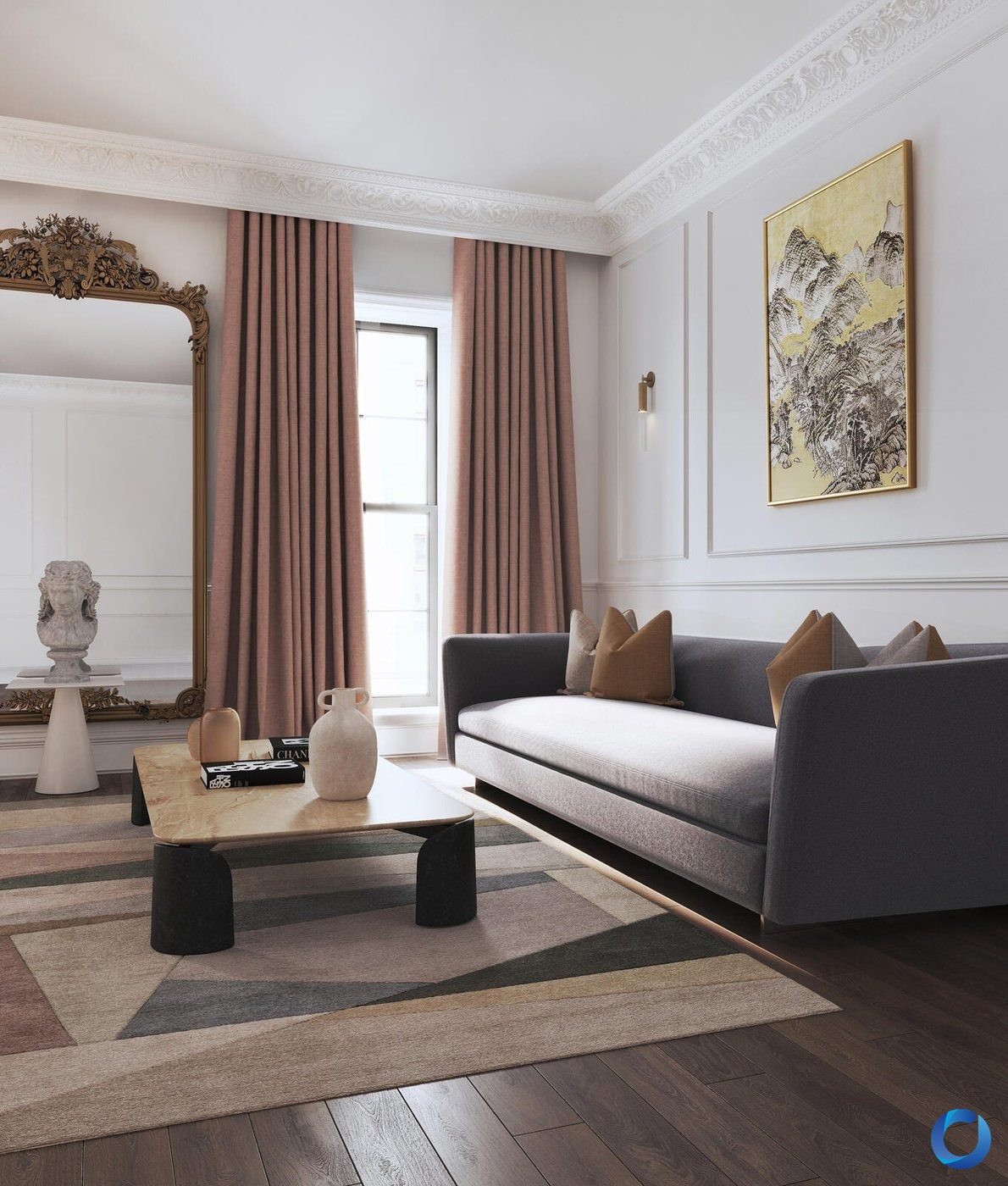
Iconic / Collection
What Fabric Type Should You Choose for Curtains?
The inherent characteristics of a fabric - its weight, weave, and composition - dictate its performance and visual impact. Understanding the differences between thin and thick fabrics is the first step in tailoring your curtains to specific room requirements and desired effects.
Single Layer or Double Layer:
When deciding whether to use a single or double layer for interior furnishing, the first consideration is whether it is a necessity to have 2 layers - the main reason is for privacy and for heat or light control.
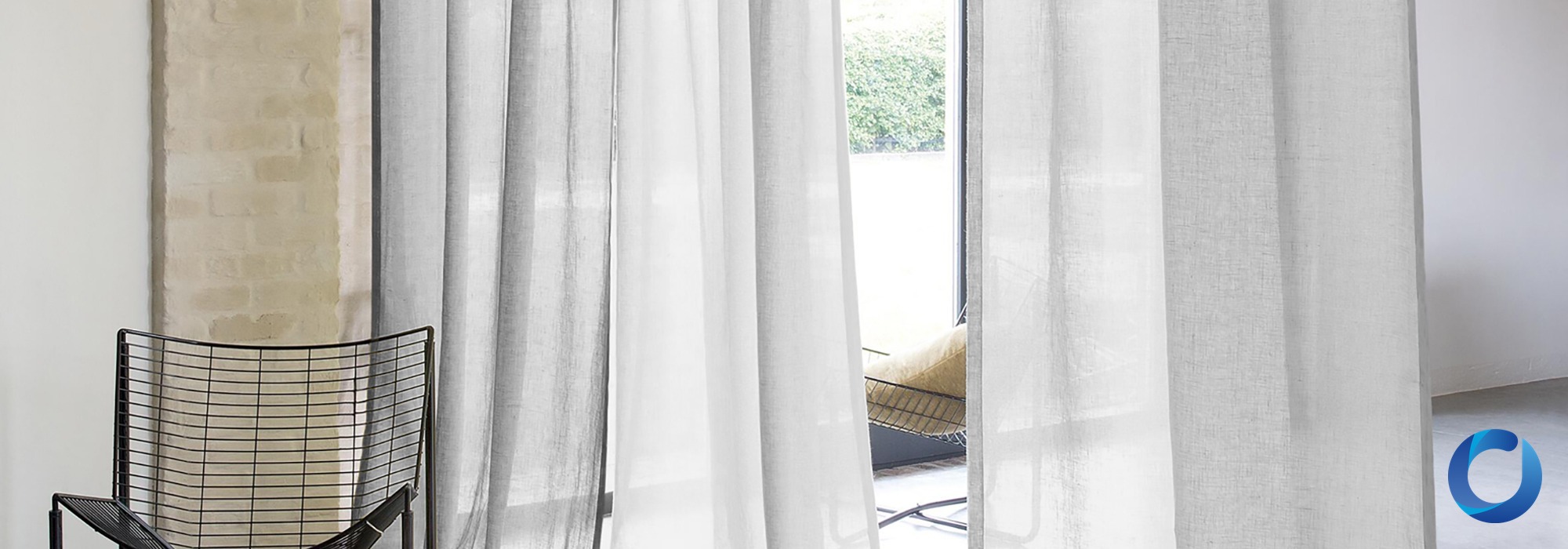
Contemporary design is showing a distinct shift towards embracing natural light. We often see a preference for single-layer installations, typically featuring translucent or semi-sheer fabrics. The choices range from heavier weaves to embroidery to rope-type designs.
The single sheer approach allows daylight to gently filter into a room, creating a dynamic interplay of light and shadow that evolves throughout the day. This imparts varying moods and a sense of openness that double-layer treatments can sometimes close off.
Sheer Elegance: The Allure of Linen and Natural Textures - For those seeking this ethereal quality, sheers offer a vast array of choices. From pure linen compositions to sophisticated polyester blends that meticulously mimic the tactile charm of linen, the options are diverse.
Current trends strongly favour fabrics that evoke the natural feel of linen and cotton, aligning perfectly with minimalist aesthetics and a preference for organic textures.
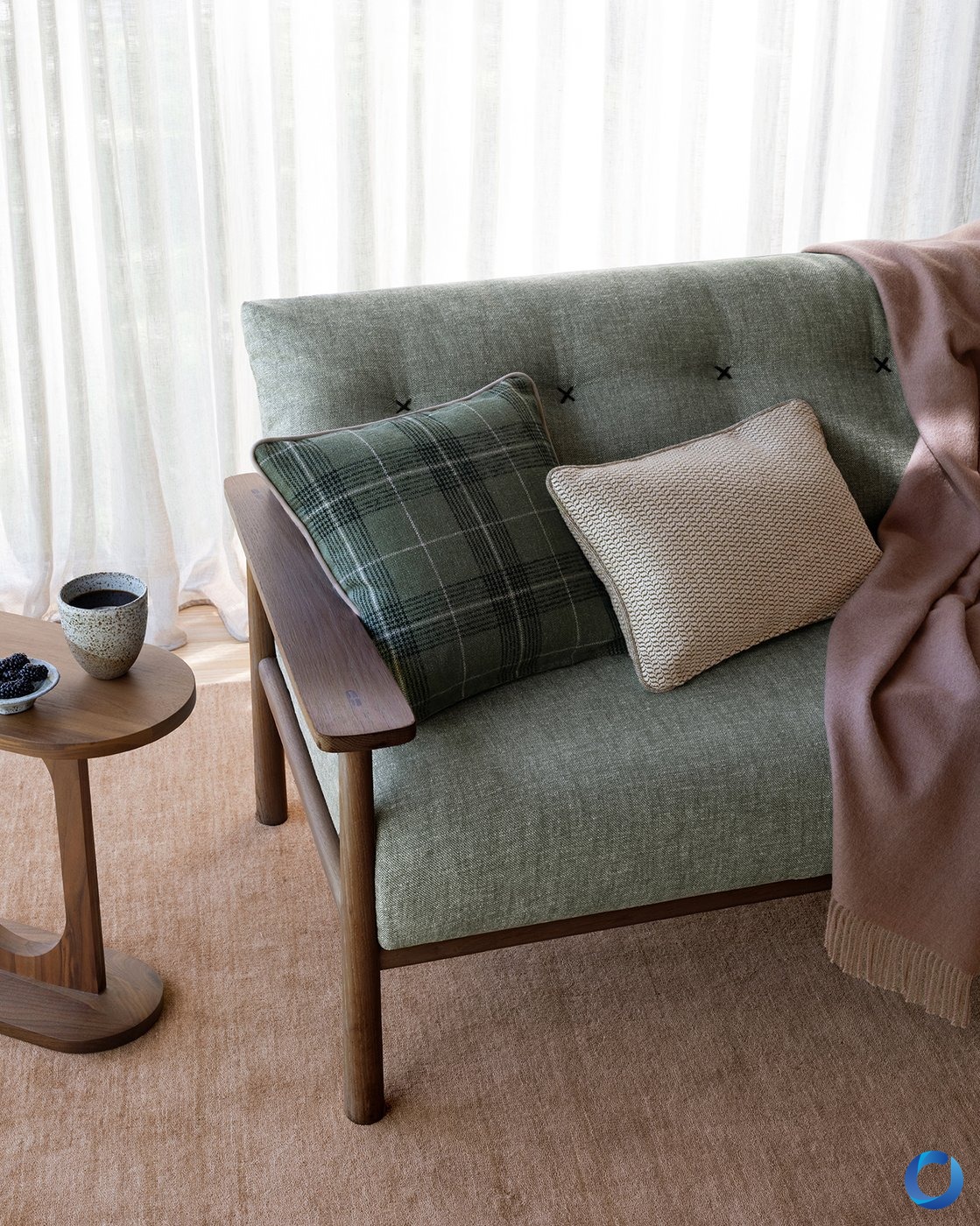
James Dunlop® - Hinterland Collection
Acacia Recommends • Sheer Bliss: Elegance - 100% Linen, 4 colorways • Release - 100% Recycled Polyester, Eco GRS, 30 Colorways • Radiant - 92% Recycled Polyester, 8% Polyester; Loose knit, wide • Mokum® Ikigai: Kanso Stonewash 13050 - 100% Linen • James Dunlop® Printed Linen Sheers - full collections at Acacia Gallery or jamesdunloptextiles.com |
Light Filtering:
Crafting the Perfect Glow - The ability of a fabric to filter light directly influences the luminosity and mood of a room. Thinner sheers, for instance, excel at diffusing harsh daylight, transforming it into a softer, more inviting ambiance. When chosen with subtle tones, these fabrics can elevate a basic window treatment into a curated design statement, maintaining an airy and refined atmosphere. They are particularly effective in rooms that benefit from enhanced natural illumination.
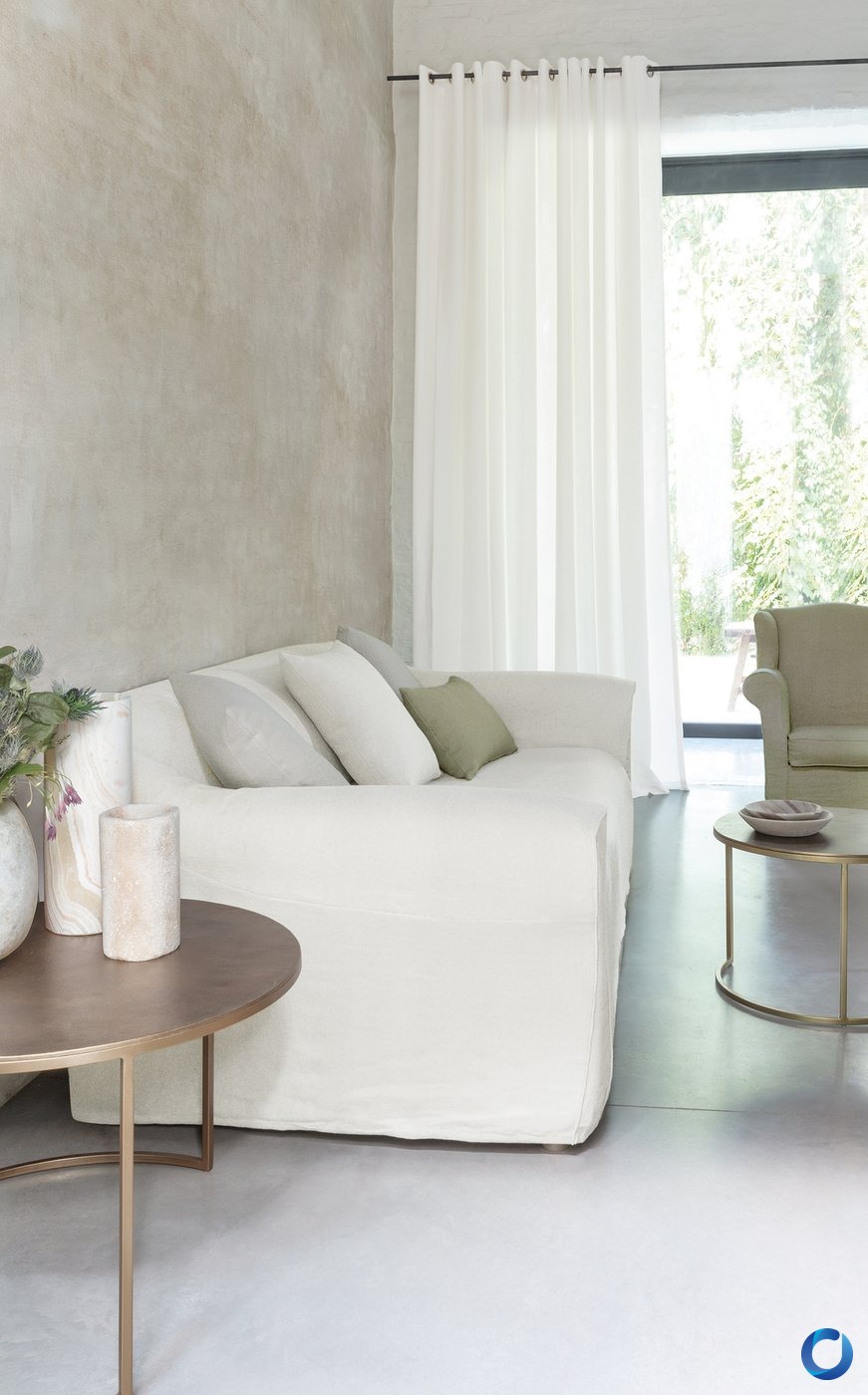
James Dunlop® - Soho
Acacia Recommends • Mercis - Latest launched May 2026: Essentia, Savina, Rava - wide 320cm; linen look, 100% polyester • Fabric Library - Latest launched May 2026: Multiverso, Texto, Revel, Tundra - wide (min) 300cm, 100% Polyester and Polyester mix |
Light Block:
Ensuring Privacy and Darkness - For spaces where privacy and light control are paramount, such as bedrooms, media rooms, or offices, light-blocking fabrics are indispensable. These fabrics range from dim-out options that significantly reduce light transmission to 100% blackout materials that offer complete darkness.
When thoughtfully paired with a sheer day curtain, the thicker night curtain transcends its functional purpose and becomes a prominent decorative element in its own right, adding depth and sophistication to the overall window treatment.
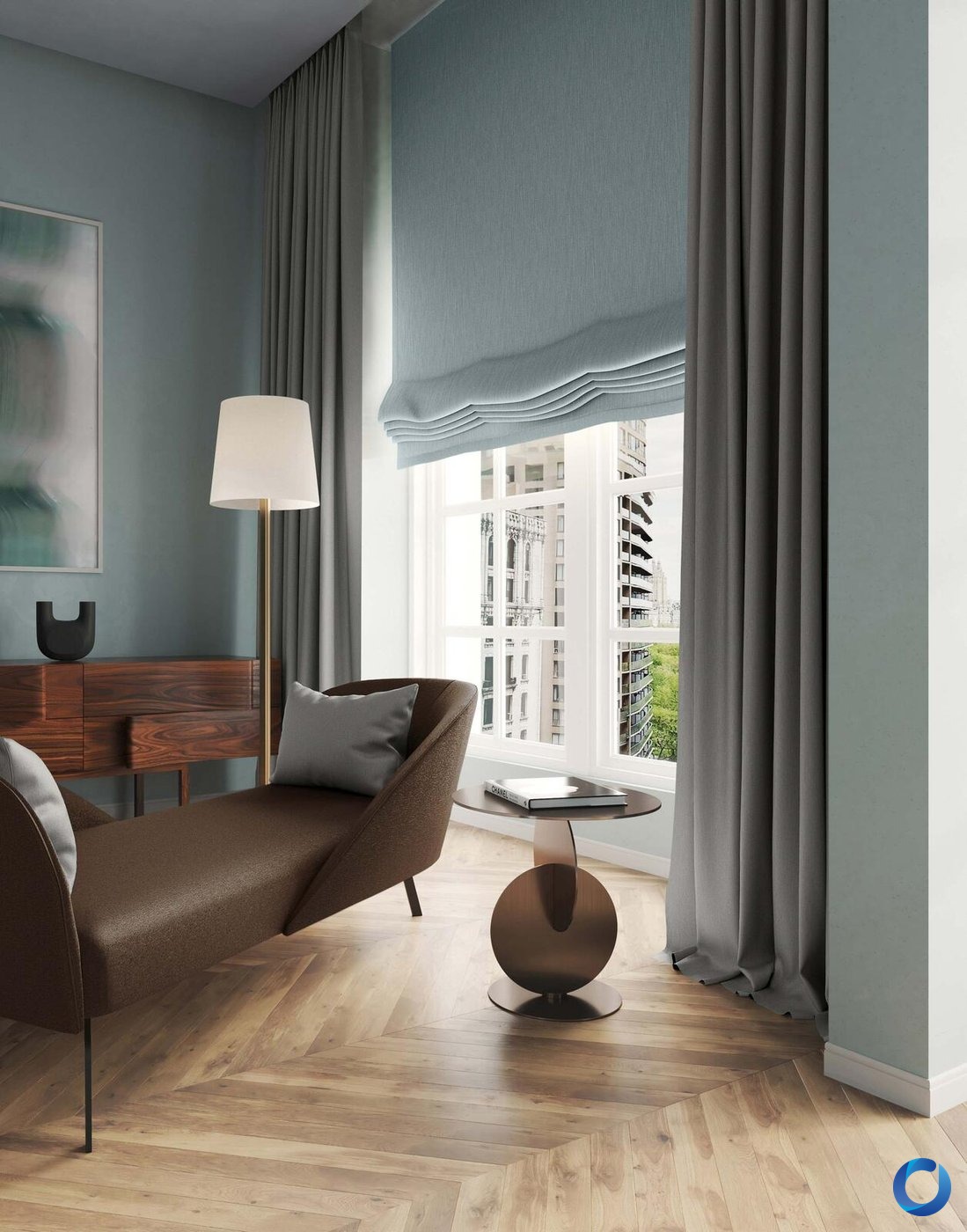
Vital / Collection
Acacia Recommends • Fabric Library Nightingale - 100% recycled polyester dim out, GRS, wide width • Fabric Library Shadowmax - 100% blackout with IMO FTPC Part 7 and wide width • Acacia Knockout - 100% Blackout, luxurious feel and contemporary texture design • Acacia Lights Out - luxury feel and contemporary matt twill texture design |
Sound Absorption:
Creating Tranquil Environments - In certain rooms, managing acoustics is as crucial as controlling light. Fabrics with sound-dampening or absorbing properties can significantly enhance comfort and functionality. These are particularly valuable in environments such as Audio-Visual (AV) rooms, nurseries, breastfeeding rooms, or hospital and recovery settings, where reducing echo and external noise is beneficial.
Acacia offers specialized fabrics designed to contribute to a quieter, more serene indoor experience.
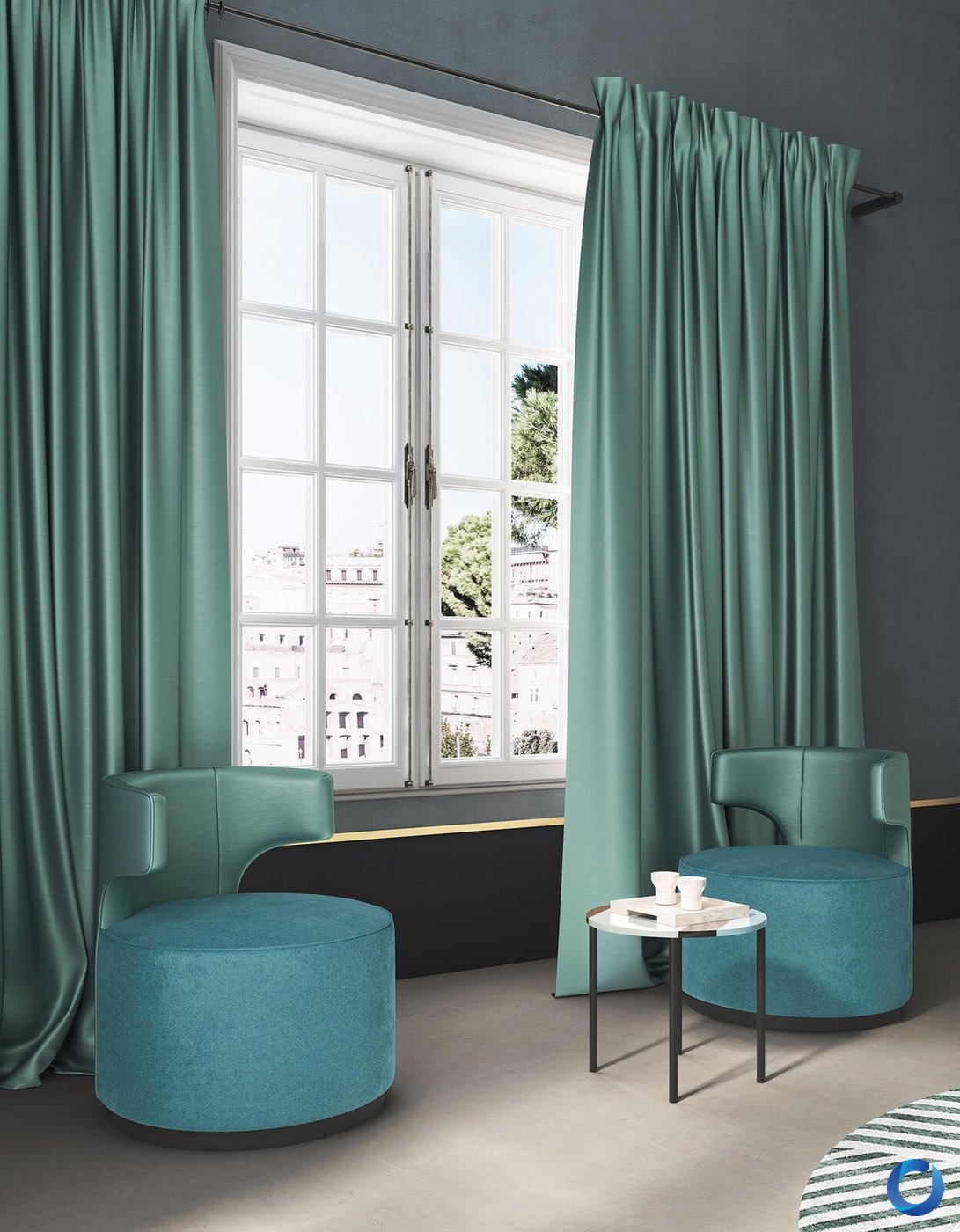
Raider / Collection
Acacia Recommends • FR-One Moon - velvet (Class A if draped, Class B if flat) • FR-One Golf - textured (Class A if draped, Class C if flat) • In general, thicker velvet type fabrics are better sound absorbing, especially if draped with pleats, or used as a flat surface with an additional foam layer for upholstered walls or sofa. Enquire with us for sound absorption testing on any fabric of your choice. |
How Do You Choose Curtain Design and Texture?
The sheer variety of designs and textures available today means you are truly spoilt for choice. Whether your vision involves a bold, visible design that serves as a focal point or a more subtle, textural fabric that contributes to an overall sensory experience, your curtains can be a powerful design tool.
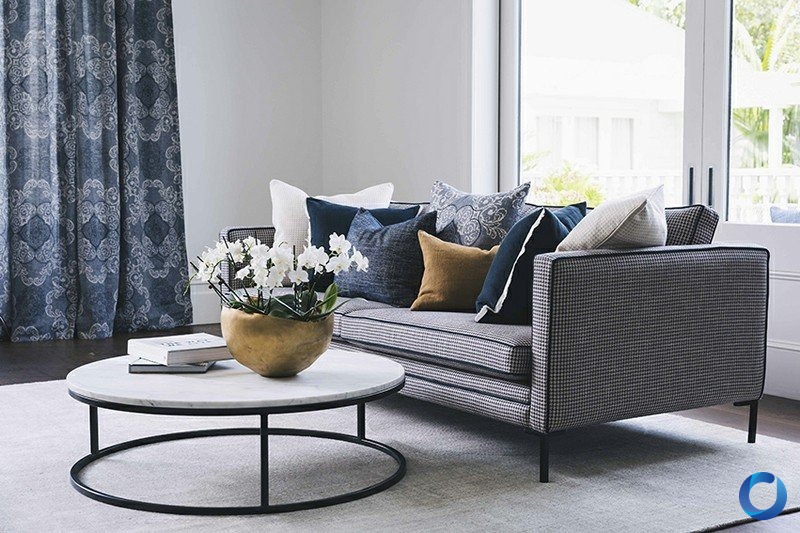
James Dunlop® - Heritage Collection
Statement Pieces:
Curtains as Art - Consider a prominent design, such as a luxurious Mokum print. A piece like this can fully encapsulate a room’s theme, dictating its ambiance and character. When the curtain itself is the main character, secondary elements can be minimal. A simple plain sheer or a thicker complementary backing often suffices, allowing the primary design to command attention.
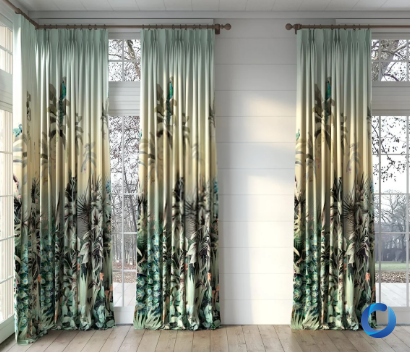
Mokum® - Nightbird Sunkissed

Mokum® - Nightbird Sunkissed
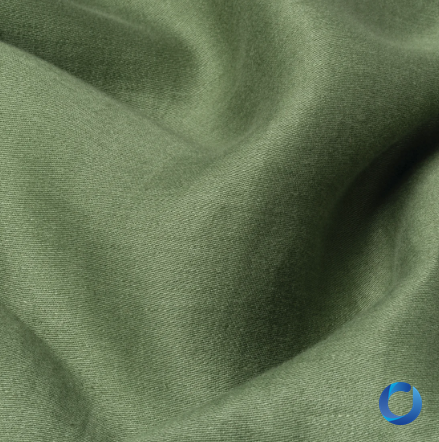
Satnin - Palm Leaf
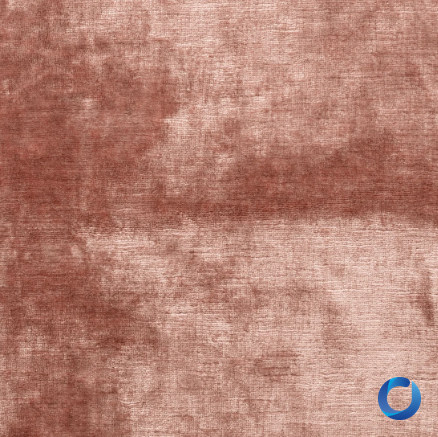
Bespoke Velvet
Acacia Recommends • James Dunlop Core - Panoramic collection of printed sheers (wide width) |
Subtle Sophistication: Tonal and Textural Sheers
An emerging and increasingly beautiful trend centers on using single-toned designs for sheers, often drawing inspiration from artistic collections like Sansaar® at Acacia Fabrics. These collections champion modern, eco-friendly materials with an enduring elegance.
Examples include neutral sheers adorned with delicate embroidery, subtle floral patterns, or intricate thread work techniques such as aari, crewel, and applique. These elements add depth and artisanal craftsmanship without overpowering the room’s overall aesthetic.
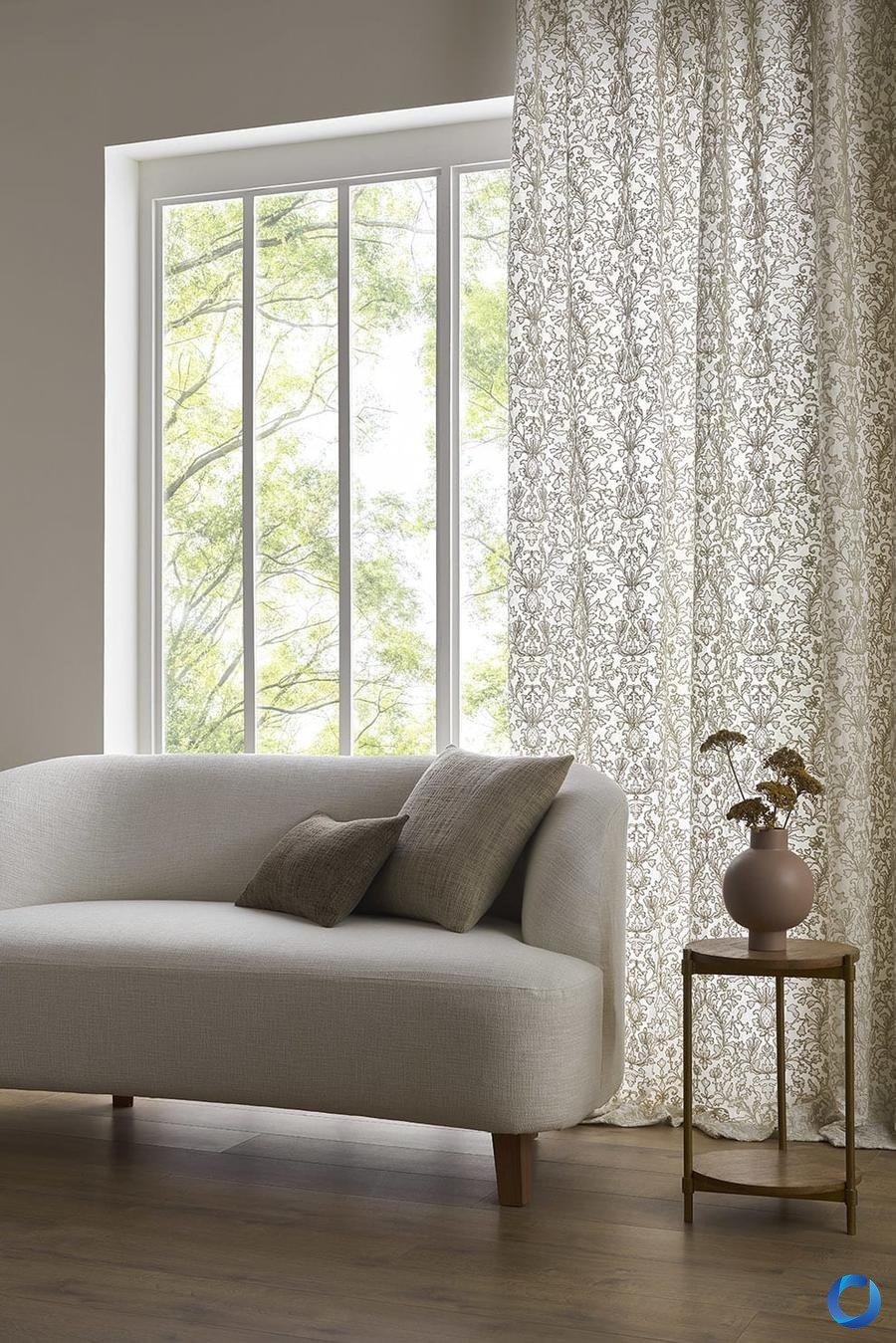
Sansaar® - Serene
Acacia Recommends • Artea: A linen-based collection focusing on delicate, subtle florals and airy textures. It provides a neutral, ethereal drape that balances light and softness. • Natural Essence: Celebrates nature with rich, artistic stitches such as fringes, 3D ropes, and crewel embroidery, adding tactile depth. • Mist: Emphasizes age-old techniques like aari embroidery floating on modern sustainable fabrics, creating a soothing, layered look with a timeless appeal. |
3. Eco-Consciousness: Sustainable Beauty
At Acacia Fabrics, our commitment extends beyond aesthetics and performance to environmental responsibility. Our fabric ranges and collections are not only quality-certified and non-toxic but are also intentionally sourced with sustainable management practices at their core. Choosing Acacia means investing in beauty that respects our planet.
When selecting eco-friendly curtain fabrics, look for recognised certifications such as the Global Recycled Standard (GRS) and OEKO-TEX Standard 100. GRS certification confirms that recycled content has been independently verified throughout the supply chain. OEKO-TEX 100 certifies that the finished fabric is free from harmful substances, making it safe for your family and home environment.
Recycled polyester fabrics can deliver the same drape, colour vibrancy, and durability as conventional polyester while diverting plastic waste from landfills and oceans. Natural fibre options such as linen and organic cotton also carry a lower environmental footprint, from production through to end-of-life.
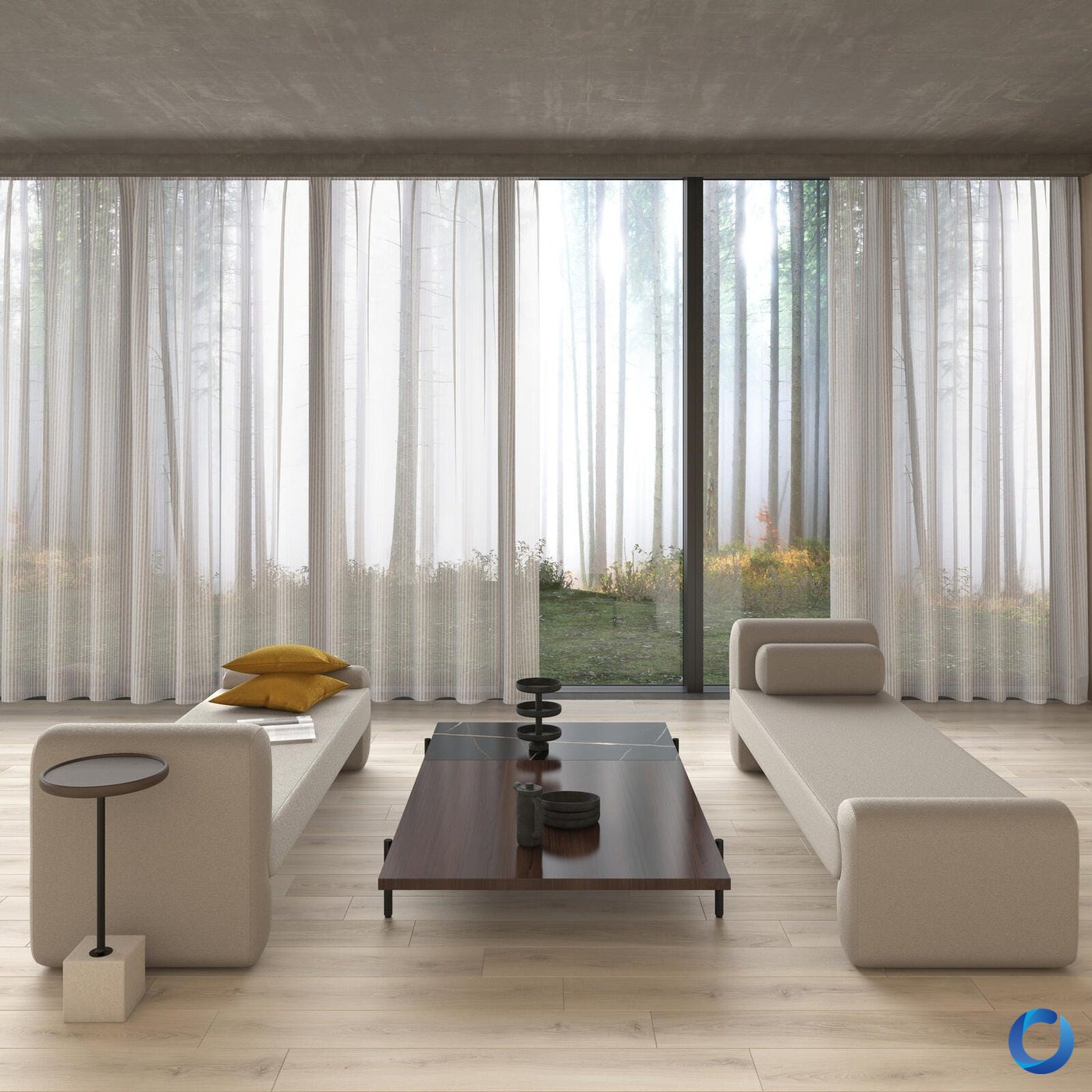
Natural Stories / Collection
Acacia Recommends • Release: 100% Recycled Polyester, GRS certified, 30 colorways • Fabric Library Nightingale: 100% Recycled Polyester, GRS certified, wide width dim-out • Fabric Library Shadowmax: 100% blackout, wide width, IMO FTPC Part 7 certified • Mokum® Ikigai: sustainable sourcing, non-toxic certified across all collections • Sansaar® collections: eco-friendly materials with responsible production practices |
4. Colour Palettes: Expressing Your Vision
Colour is perhaps the most immediate way to convey mood and personality in a space. Whether you are drawn to a calming, refined neutral and earthy palette that allows other elements to shine, or you prefer a bold colour statement that commands attention, the options for creative colour play are infinite.
Fabric colour also interacts with the light in your room in ways that can be surprising. A warm ivory sheer will cast a golden glow in afternoon sun, while a cool white or grey will keep the room feeling crisp and airy. Always view fabric swatches in the actual room at different times of day before committing, as artificial lighting and natural daylight will shift your perception of colour considerably.
Room size matters too. In smaller rooms, lighter and more neutral curtain tones help the space feel open and breathable. In larger rooms, you have more freedom to introduce deep, saturated tones that create intimacy and drama. Curtains that run floor to ceiling in a colour that matches or tones closely with the wall can make any room feel taller and more cohesive.
Harmonise bold and neutral tones, or mix vibrant brights with serene pastels. The key is to explore and find the palette that resonates with your personal style and the desired atmosphere of your room.
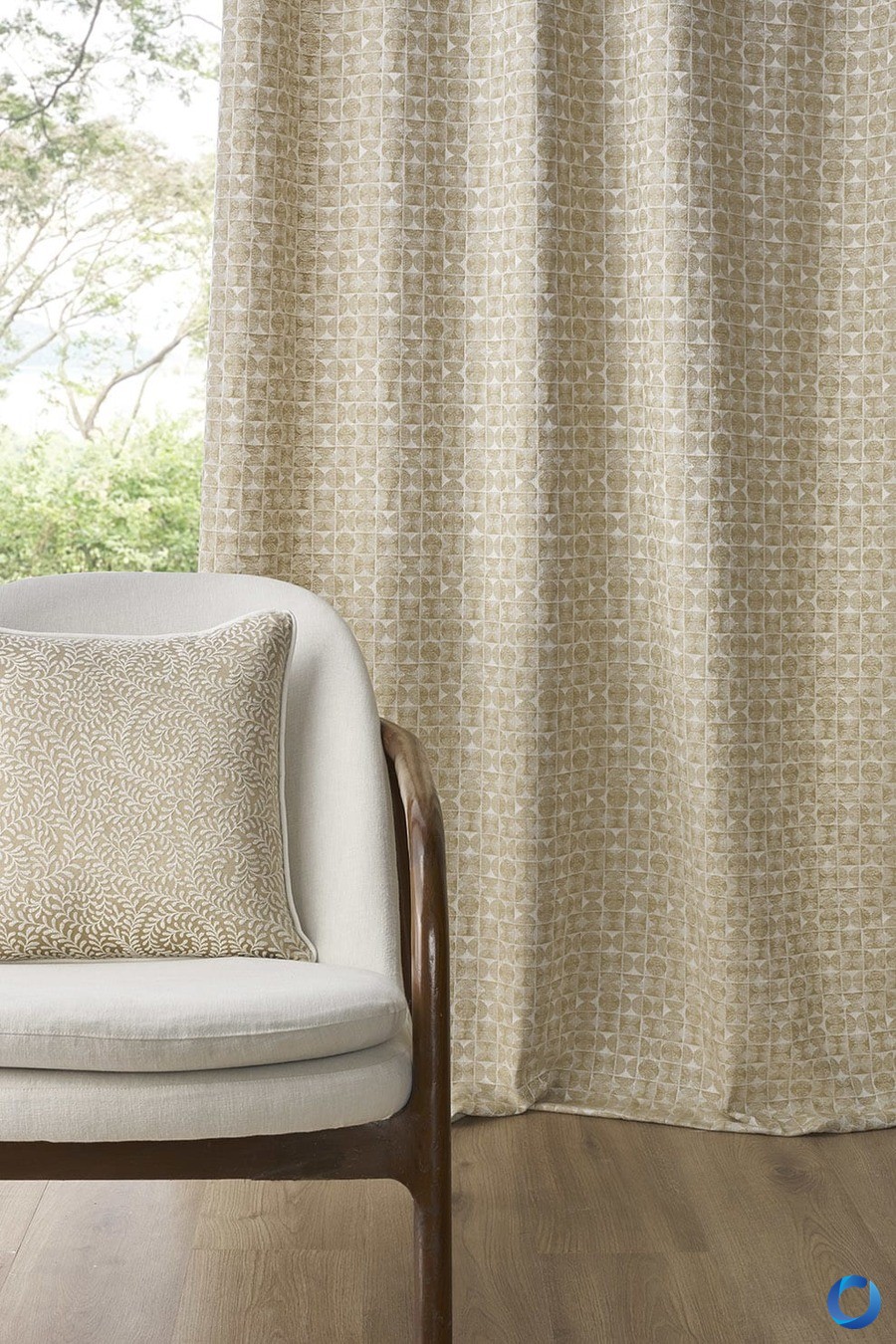
Sansaar® - Wovara
Acacia Recommends • Current trend (2025/26): warm neutrals, terracotta, sage green and dusty rose are strong across all markets • Tip: order at least 3 swatches per shortlisted fabric and live with them in the room for 2 to 3 days • For open-plan spaces: choose one dominant colour across all window treatments to unify the visual flow • Sansaar® Artea and Natural Essence: curated earthy neutral palettes with artisanal texture |
Frequently Asked Questions
What is the difference between sheer and blackout curtains?
Sheer curtains are lightweight, translucent fabrics that filter natural light while maintaining a sense of openness. They preserve daytime privacy without blocking views or light. Blackout curtains, on the other hand, use tightly woven or coated fabrics that block 100% of incoming light, making them ideal for bedrooms, home cinemas, or any space where complete darkness is required. Many homeowners layer both: a sheer for daytime use and a blackout panel for night or nap time.
What fabric blocks 100% of light?
Only fabrics specifically rated as 100% blackout will fully block all incoming light. Key technical features to look for include a triple-weave or foam-backed construction, and certifications such as IMO FTPC Part 7. At Acacia, the Fabric Library Shadowmax and Acacia Knockout ranges are both rated 100% blackout. It is important to note that fabric alone is not enough: proper installation with minimal gaps at the sides and top of the window is equally critical for achieving true darkness.
Are there eco-friendly curtain fabric options?
Yes. Look for fabrics carrying the GRS (Global Recycled Standard) or OEKO-TEX 100 certification. GRS-certified fabrics are made from verified recycled materials, while OEKO-TEX 100 ensures the fabric is free from harmful chemicals. At Acacia, collections such as Release (100% Recycled Polyester, GRS), Radiant, Fabric Library Nightingale, and Shadowmax all meet these standards. Our Sansaar® range also prioritises sustainable sourcing and non-toxic production across all collections.
What curtain fabric is best for sound absorption?
Heavier, denser fabrics perform best for sound absorption. In particular, velvet and thick woven fabrics can achieve ISO 11654 Class A or B ratings when installed as draped curtains with pleats. The extra surface area created by pleating significantly improves absorption compared to flat installation. FR-One Moon (velvet) and FR-One Golf (textured) are two options available through Acacia. For serious acoustic treatment such as in AV rooms or recording spaces, pairing curtains with foam-backed panels or upholstered wall panels is recommended.
Do I need single or double layer curtains?
The answer depends on two factors: privacy needs and light control. If you simply want to soften sunlight and maintain a modern, airy look, a single layer of quality sheer is often all you need. If you require full privacy at night or need to block light for sleeping, a double layer pairing a sheer day curtain with a blackout night curtain is the practical choice. Contemporary design is moving toward single-layer installations, particularly in living areas, but bedrooms and media rooms almost always benefit from the double layer approach.
Looking for quality sofas with creative fabrics and easy maintenance? Find the nearest showroom at acaciasofa.co
If you are searching for the perfect curtain to express your personality at home, find our nearest boutiques at acaciacurtain.co